


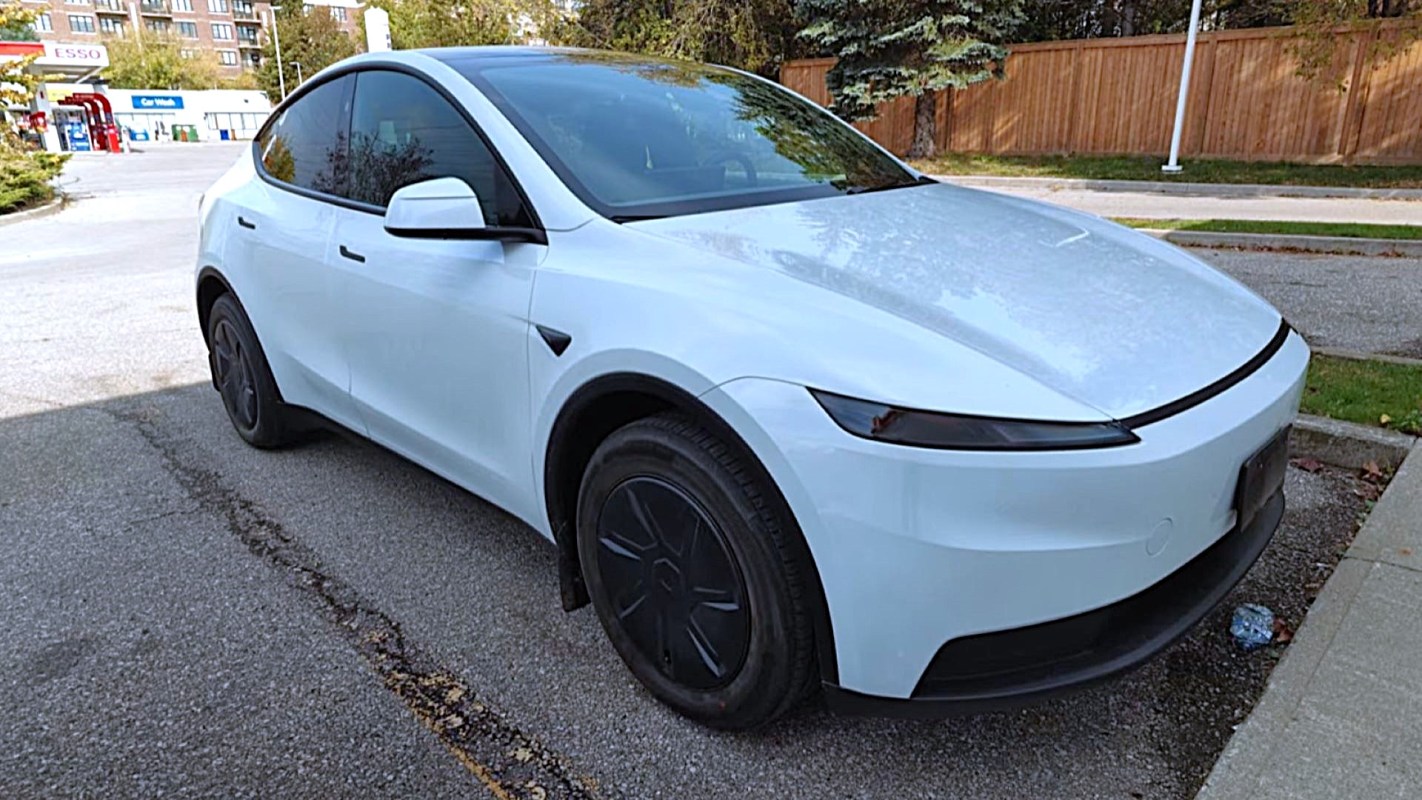
A Toronto cost comparison YouTube video argues that home charging dramatically undercuts fueling a comparable gas vehicle.
Here's what to know
Using prices from October 12, 2026, The Electric Standard (@TheElectricStandard) put annual charging for a 2026 Model Y Standard at about CA$351 (US$248), while a typical gas SUV was estimated at roughly CA$3,274 (US$2,315) a year for fuel.
Citing the GTA regular-gas average from CityNews/En-Pro, the host said that gasoline was running at CA$1.82 per litre (CA$6.89 per gallon/US$4.87) and used that figure in a home-charging comparison for a Model Y.
On the EV side, the estimate worked out to about CA$1.76 per 100 kilometers (US$1.24 per 62 miles), compared with roughly CA$16.37 per 100 kilometers (US$11.54 per 62 miles) for a gas SUV using about 9 litres per 100 km (2.4 gallons per 62 miles).
Framed over longer periods, the gas-vehicle estimate came to about CA$63 (US$44.4) per week and CA$273 (US$192.42) per month, reaching roughly CA$3,274 (US$2307.62) per year, while charging the Model Y for 20,000 km (12,427 miles) annually was pegged at about CA$351 (US$247.4).
According to the creator, a 240V/16A home setup running from 7 p.m. to 7 a.m. adds about 46 kilowatt-hours overnight.
TCD Picks » Quince Spotlight
💡These best-sellers from Quince deliver affordable, sustainable luxury for all




The creator estimated that session at about CA$7.50 (US$5.29), enough for "roughly 427 km of real driving."
More background
The video focuses on operating costs rather than purchase price. It lays out a simple framework: compare local gas prices, a gas vehicle's fuel burn, electricity rates, and real-world EV efficiency.
According to The Electric Standard, a CA$180 (US$127) home charger "paid for itself in about 1,200 km."
The channel said the final number can change based on a driver's electricity plan, annual mileage, and winter range loss.
What can be done?
The video encourages viewers to do the math based on their own driving habits and utility plan before making assumptions about EV costs.
Using The Electric Standard's example, an overnight home charge from 7 p.m. to 7 a.m. on 240V/16A supplied enough energy for hundreds of miles of real driving.
In that example, the savings come from lower overnight electricity rates and regular at-home charging instead of trips to the gas station.
The host also invited direct comparison from viewers, saying, "Do your own math and drop your weekly gas bill in the comments, and I'll tell you what it would cost electric."
Where can I learn more?
Drivers might be surprised about how much it costs to charge EVs at home compared with buying gas.
• Across the U.S., home EV charging costs about 5 to 6 cents a mile.
• One Tesla owner found charging at home is still the cheapest way to drive.
• In the Bay Area, driving electric stayed 7.9 times cheaper per mile than gas.
• A Tesla driver's at-home charging alternative stirred debate over rising power bills.

Get TCD's free newsletters for easy tips, smart advice, and a chance to earn $5,000 toward home upgrades. To see more stories like this one, change your Google preferences here.






