


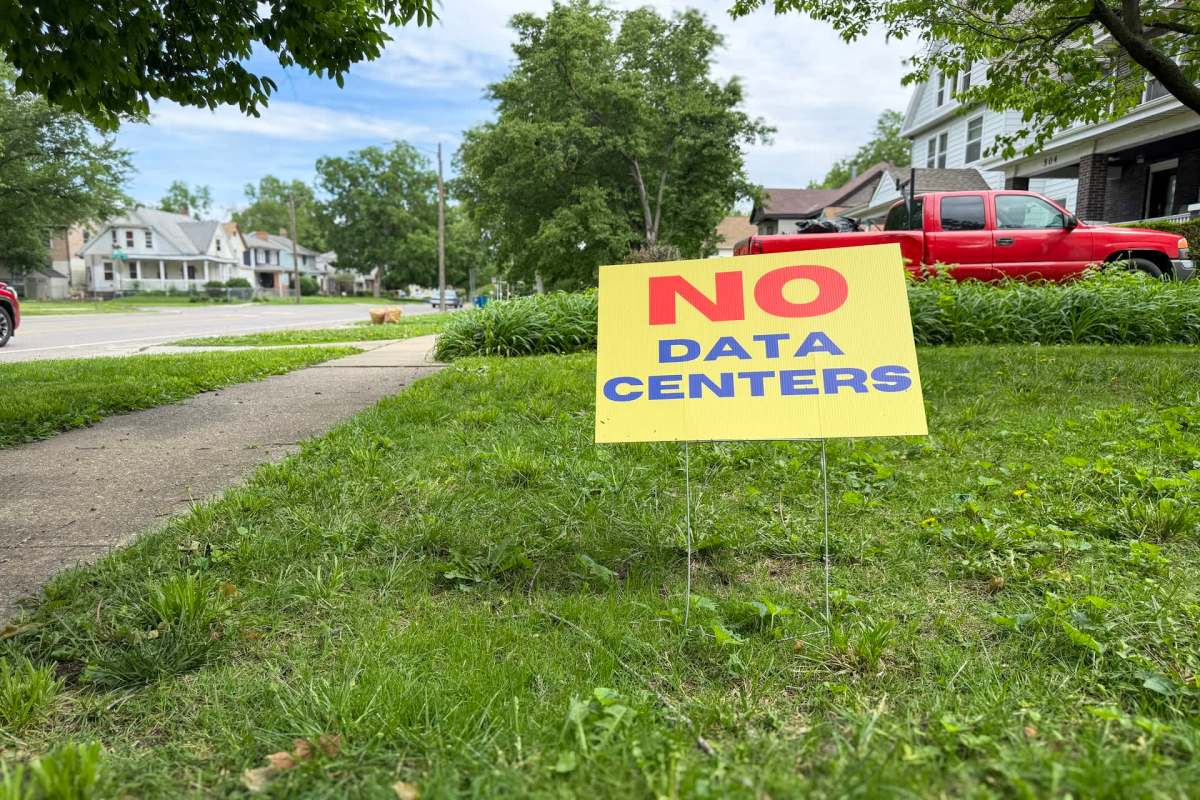
At a Massachusetts city's second public meeting on data centers, residents spoke with near-unanimity in favor of stopping additional facilities from spreading into other neighborhoods.
The Oct. 7 gathering in Lowell made plain how many community members favor a citywide cutoff on future data center development, according to the Lowell Sun.
Here's what to know
Residents of Lowell, Massachusetts cited noise, air-quality concerns, and disruptive construction as reasons other parts of the city shouldn't have to take on more projects.
The debate follows the City Council's March 10 approval of a 360-day moratorium, giving the city time to craft rules for an industry that had expanded without dedicated data center zoning.
People who live near the current facility said it has already brought repeated problems involving noise, air quality, construction disruption, and enforcement.
That experience helped drive support for a ban among attendees who argued that their neighborhoods are already carrying an unfair environmental burden.
TCD Picks » Quince Spotlight
💡These best-sellers from Quince deliver affordable, sustainable luxury for all




Participants at Table No. 4 summarized their position.
"The only way to protect our community from the environmental impacts that we know are caused by these data centers, particularly when these data centers are put in environmental justice neighborhoods, is to prohibit them …"
More background
Much of the debate centers on Markley Lowell, the only data center operating in the city.
The 352,000-square-foot facility in the Sacred Heart neighborhood leases secure space to more than 500 clients, including private companies, internet firms, state and local governments, and universities such as UMass Lowell.
After buying the former Prince Pasta site in 2015 for $4 million, the Markley Group expanded the site's backup power and cooling equipment to 23 diesel generators, 16 chillers, and two water towers.
Founder and CEO Jeff Markley has said the company has invested at least $650 million in the site and related projects.
A full ban could help shield nearby residents from additional equipment and construction in communities that say they have already absorbed too much.
At the same time, it could limit further high-tech development tied to a facility the city previously supported with a $77 million tax break.
Another proposal would cap future sites at 15 megawatts and require climate-friendly infrastructure, offering a stricter set of rules without a total prohibition.
What's being done?
The Department of Planning and Development expects to bring a data center ordinance to the City Council Zoning Subcommittee, then present a final draft to the full council.
The Planning Board will hold a public hearing in January, and the council is expected to hold its own hearing and vote then.
DPD Deputy Director Camilo Espitia told residents that whatever Lowell ultimately adopts will not undo the existing company's approvals.
"Whichever option we go with today is irrelevant to where Markley stands today," he said. "They are grandfathered in and that business will keep operating."
"This is intended for any other land that has not been touched by data centers or that hasn't been subdivided in the future for any other type of developer including Markley themselves," Espitia maintained.
After nearly two hours of discussion, Yovani Baez-Rose — Lowell's assistant city manager and DPD director — told residents: "We appreciate the fact that you're taking time out of your personal lives to sort of help us frame what our community is going to look like moving forward."
Where can I learn more?
Lowell's fight over future data centers echoes clashes playing out in Massachusetts and across the country. These stories follow moratoriums, lawsuits, and political backlash as communities push back over noise, pollution, and resource demands.
• Westfield, Massachusetts, residents are up in arms over a proposed $4 billion data center.
• From Utah to Georgia, communities are demanding data center moratoriums from lawmakers as backlash grows.
• Across the U.S., bipartisan backlash is spreading as data center fights reshape local politics.
• Mayors warn hyperscale projects strain water and power while delivering fewer neighborhood benefits.

Get TCD's free newsletters for easy tips, smart advice, and a chance to earn $5,000 toward home upgrades. To see more stories like this one, change your Google preferences here.






