


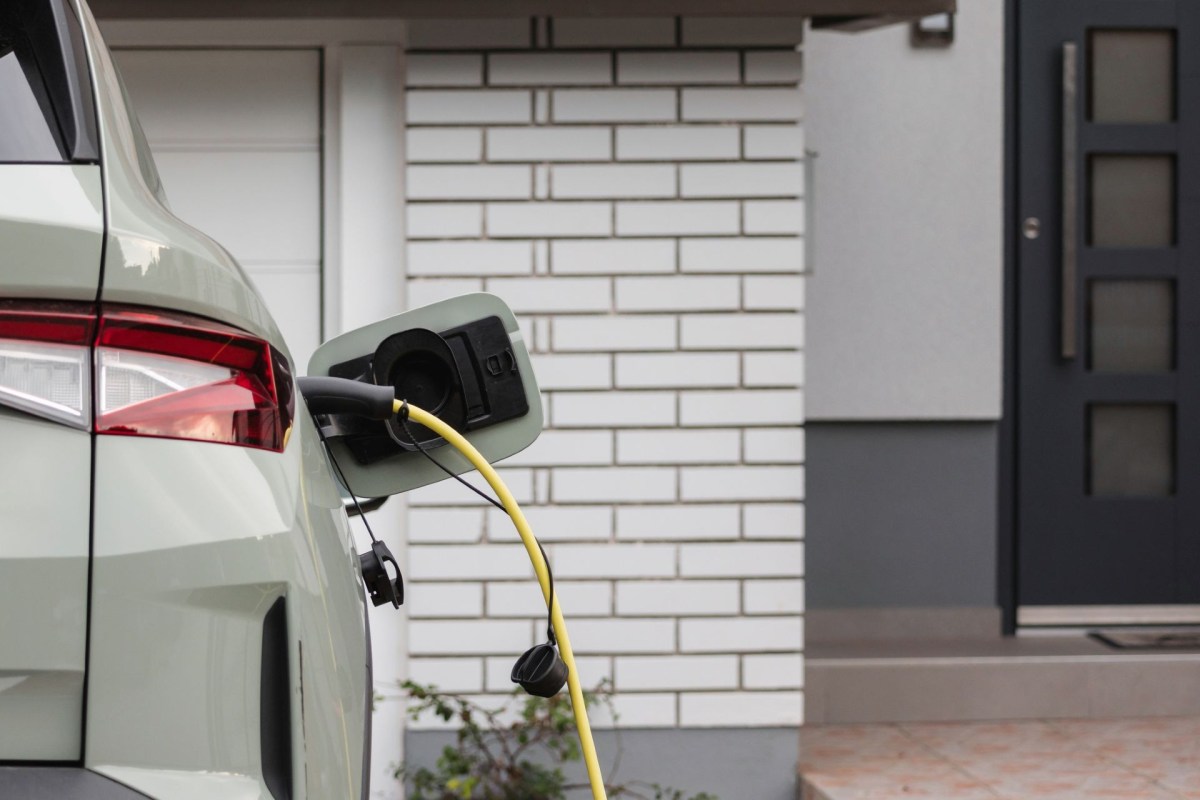
An electric vehicle parked at home can do more than provide transportation. It could also help keep lights and appliances running when the grid goes down.
Researchers are testing that idea in a pilot project in Menifee, California, and that same arrangement could also help households rely less on the day's most expensive electricity.
Here's what to know
At the University of California, Irvine's Advanced Power and Energy Program, a Riverside County demonstration is pairing an EV with a bidirectional charger so electricity can flow from the car back into a house, as KCRA reported.
Dr. Kate Forrest, a senior scientist at the program, said the setup only works with a compatible vehicle and a charger that can "communicate with the car to manage the power transfer to the home."
Forrest said one of the biggest attractions is the chance to save money in normal day-to-day use. In many places with time-of-use pricing, electricity between 4 p.m. and 9 p.m. costs roughly double the price of off-peak power, so drivers could discharge the vehicle during that window to reduce or even eliminate the electricity drawn from the grid.
For homeowners, going solar is also one of the best ways to save money on home energy. Palmetto is currently running an exclusive offer for Southern California residents that allows customers to save an average of 40% on their electric bills with $0 down.
More background
Outage warnings have highlighted the value of backup power. KCRA reported that Pacific Gas and Electric alerted 70,000 customers across Northern and Central California to possible Public Safety Power Shutoffs.
An EV battery can also do more than a standby generator dedicated only to emergencies. Forrest said drivers can recharge during cheaper off-peak hours, keep the car ready for everyday travel, and use that stored energy at home when utility prices are highest.
SoCal exclusive: Save 40% on your electric bill by going solar with no upfront costs Crushed by your monthly electric bills? Palmetto can take care of you with an exclusive solar offer for Southern California residents. Palmetto's home energy savings plans deliver all the benefits of going solar with zero upfront investment. For a limited time, special rates in Southern California can unlock bill savings of up to 40% — and you can get a custom quote in seconds without sharing your email or phone number. |

Still, the technology is not widely available. Forrest said only a handful of vehicles have the capability, and that the project includes a Kia EV9 using a Wallbox Quasar II. She added that Hyundai, GM, and Tesla are among the automakers moving toward a vehicle-to-home future, with several already announcing plans for their 2027 lineups.
What's being done?
The university is also looking at the regulatory side, since utilities are working on standardized processes to review these systems, verify their safety, and approve their operation.
A more consistent approval process could make it easier for homeowners to choose the system that best fits them. Forrest said some consumers may want a setup focused mainly on outage backup, while others may prefer one that can also discharge while connected to the grid to help cut evening electricity bills.
Combining home energy upgrades with smarter power management also makes a strong financial case. With Palmetto's help, the average Southern California resident can save 40% on their electric bills, which can add up to thousands of dollars per year. The company's $0-down offer could make those savings more accessible while households look for ways to build resilience during outages.
Forrest said automakers are planning around 2027 model lineups even as utilities continue working through the approval process.
"I see it becoming much more commonplace within the next couple of years," she said. "Not only are we looking at the technical aspects, but we're also looking at more of the regulatory aspects. Connecting your car to your home is new for utilities, and so developing a process where utilities can review the setup, make sure that it's safe, and actually provide permission to operate is currently in the process of being standardized."
Where can I learn more?
Elsewhere, EV batteries and smarter charging are already being tested for bigger roles at home and on the grid. The articles below cover outage backup, automaker home-power features, grid-friendly charging software, virtual power plants, and charging breakthroughs.
• In a world-first test, researchers used EVs for backup during a grid outage and kept power flowing.
• GM is pushing EVs to power homes during blackouts, though installation costs remain a hurdle.
• Researchers built a smart-charging system that helps utilities avoid new strain from EV demand.
• Sonnen is advancing the first virtual power plant with home batteries to balance renewable energy.
• Hope College students developed an EV charging breakthrough that could reshape how cities handle demand.

Get TCD's free newsletters for easy tips, smart advice, and a chance to earn $5,000 toward home upgrades. To see more stories like this one, change your Google preferences here.






