


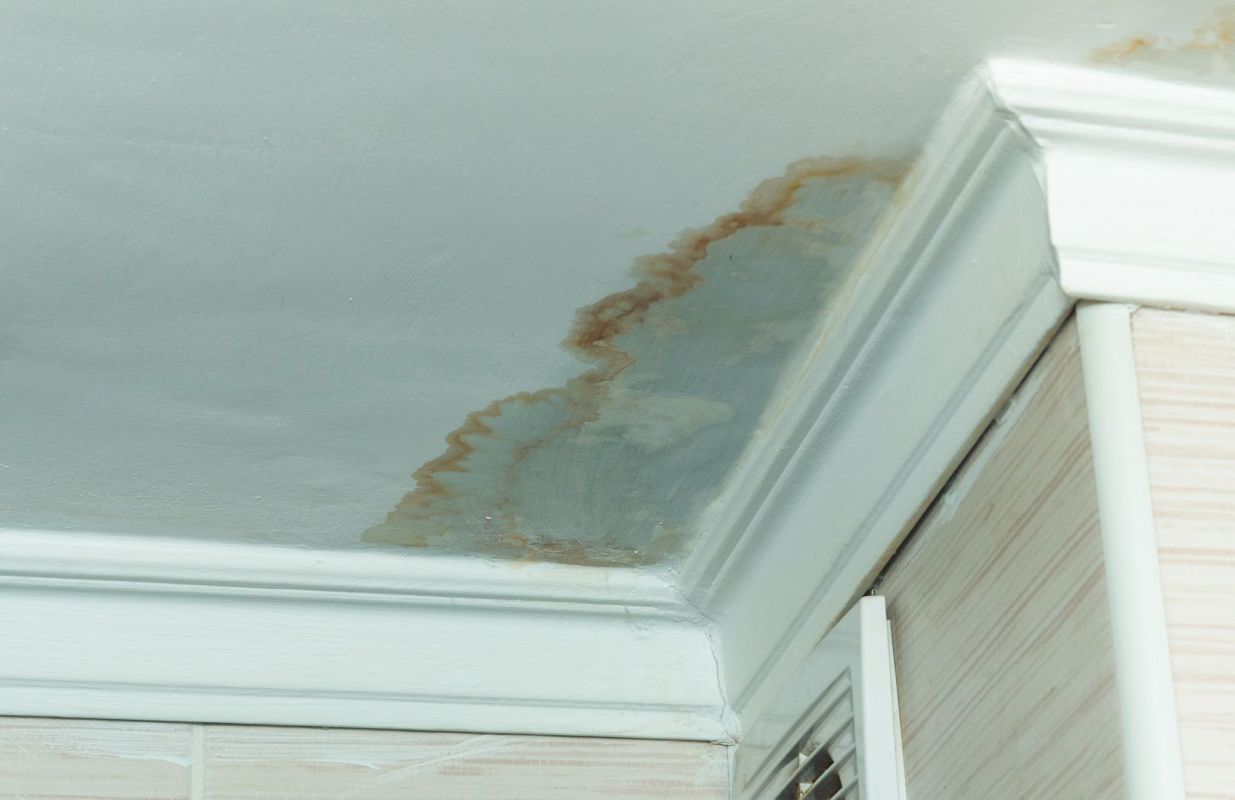
Homeowners in one Edinburgh neighborhood say a council-backed retrofit project intended to make older buildings safer and more energy-efficient instead left them dealing with leaks, damaged interiors, and bills topping £20,000 ($26,500).
For residents who initially backed the upgrades, the aftermath has turned a housing- and climate-focused effort into an expensive test of trust.
Here's what to know
A project in Lochend meant to modernize older tenements and bring them closer to current efficiency and building standards is now drawing complaints from residents, who told STV News the work went badly wrong.
After the work, homeowner Aga Barys said water coming through the roof affected several flats on her floor, leaving her to bring in builders to repair the damage.
"The cost after fixing everything was over £7,000 [$9,300]," she said.
She added that owning her flat leaves her responsible for more than £20,000 ($26,500) in retrofit charges, including a council management fee. Residents said the upheaval and the size of the bill have damaged confidence in work they had supported.
TCD Picks » Quince Spotlight
💡These best-sellers from Quince deliver affordable, sustainable luxury for all




"There is something systematically wrong with how they are doing the retrofits. We support this work and were really glad this kind of project was rolling out after so many years of neglect," Barys stated.
More background
The case highlights a familiar source of conflict in mixed-tenure buildings, where private owners and council tenants can run into disputes over both disruption and costs.
When several households share roofs and common areas, retrofitting older properties can be both complicated and costly. The council said the affected tenement blocks were built in the 1920s and require essential repairs and upgrades.
Another owner, Rita Cicellini, said her home still does not appear to be fully finished.
"What they needed to do the roof, they basically exposed it. One night it was raining very heavily and I started to see these (damp) spots being created. It doesn't feel like the work is finished. It looks like they came with a chainsaw," she explained.
Problems like these can make communities more wary of future housing upgrades.
What's being done?
Backed by tenants' union Living Rent, residents said similar projects should not be expanded elsewhere without stronger oversight and better protections for the people living through the work.
Follow-up work has already begun. STV News reported that contractors paid for repairs to Barys' property and are expected to return to Cicellini's home to carry out additional work.
The council said it has support measures in place for owners facing large bills. Councilor Tim Pogson, housing, homelessness and fair work convener, said private owners can spread payments over 15 years and may also qualify for Scottish Government grant funding toward some of the work, depending on their personal circumstances.
Pogson also said the council has "a team of dedicated case officers available to support and answer questions from owners" and remains committed to "safe, warm, and well-maintained homes" through its city-wide housing improvement program.
The central question is whether those assurances will translate into better delivery next time.
As Barys put it, "We don't ask for a free service. We want to pay our fair share, not live in the conditions that we have been suffering in for over a year."
Where can I learn more?
Similar tensions show up in other housing and home-upgrade disputes, from mold after a leak repair to contractor damage and HOA battles over rooftop panels.
• A renter said a bathroom leak repair left black mold worsening inside the apartment.
• In one neighborhood, contractors destroyed a lawn during work and deepened homeowner frustration.
• Across many HOAs, solar panels for homes still face neighborhood restrictions.
• One new homeowner found an HOA blocked solar plans despite promises of savings.

Get TCD's free newsletters for easy tips, smart advice, and a chance to earn $5,000 toward home upgrades. To see more stories like this one, change your Google preferences here.






