


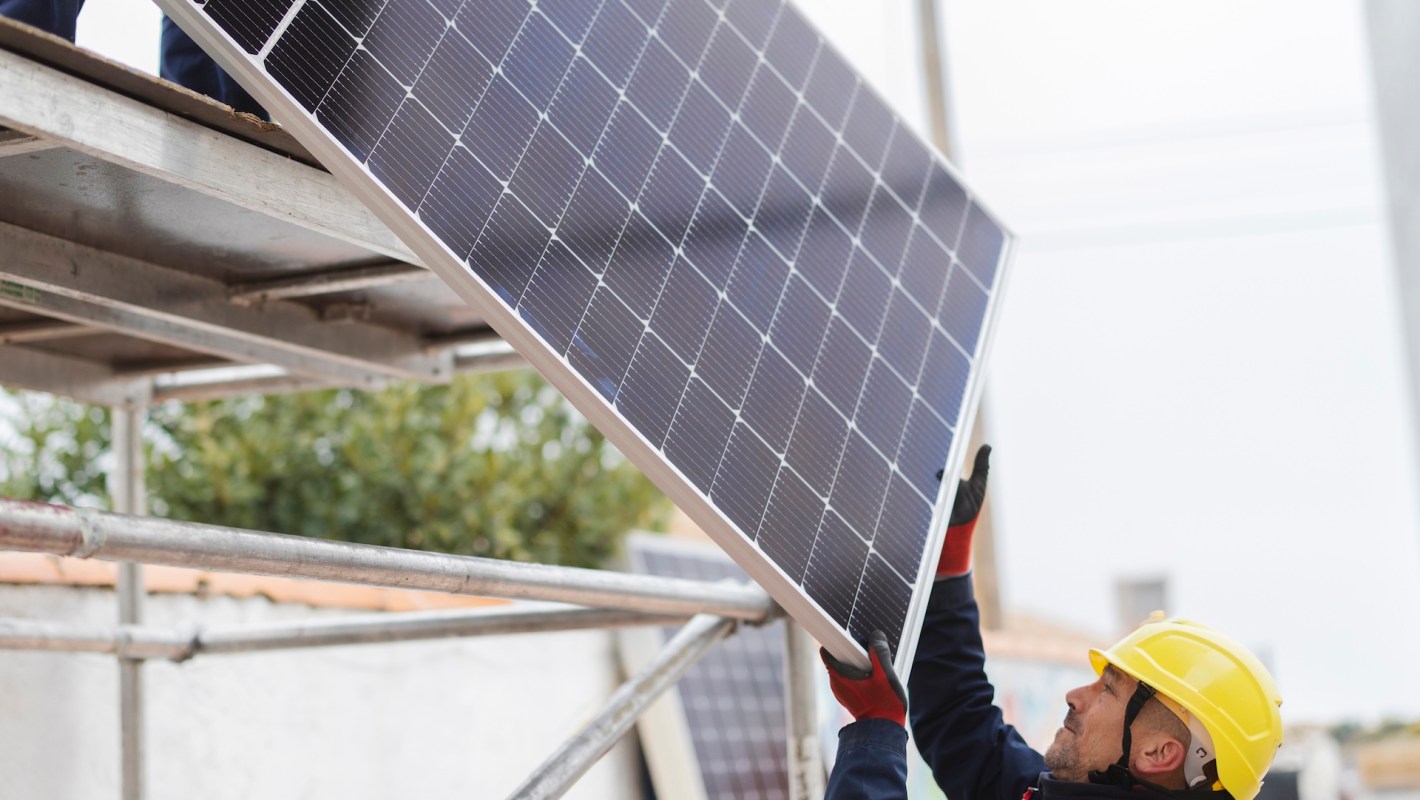
Climbing monthly electric bills pushed one Southern California homeowner to look for ways to get more out of solar.
The homeowner said their electric bill is back to $350 to $400, and that in previous months they received a credit on their bills. However, it seems those days are gone.
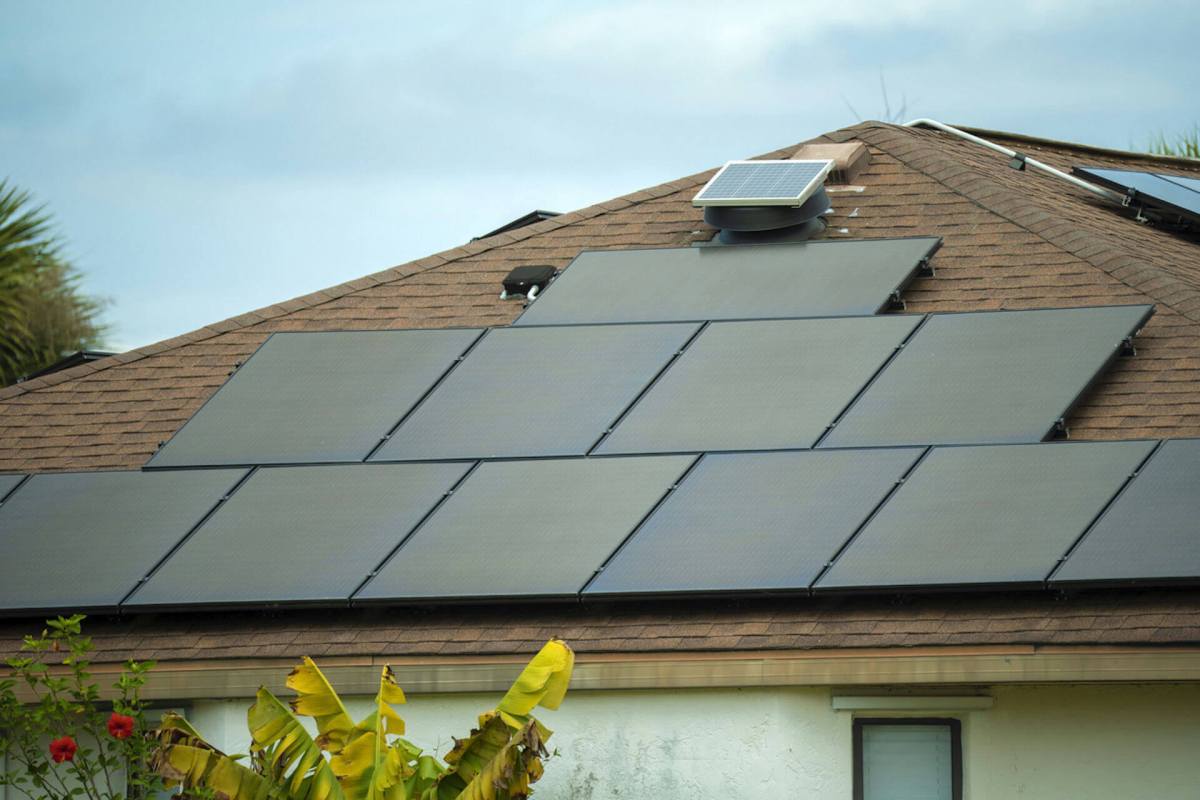
They said the home was built in 2021, but the solar system that came with it no longer meets the household's needs. "The system installed is undersized - only 10 panels. No battery backup," they wrote.
Here's what to know
In a Reddit post, the homeowner said they have a single-story California house of about 2,000 square feet and confirmed with SoCal Edison, their electric provider, that the property is on NEM 2.0.
They also said they received bill credits in December 2025 and January 2026, but their bills were back up to roughly $350 to $400.
They considered several paths to alleviate the high cost. One was to wait in hopes that technology improves and prices fall, finance a different system with a loan, sign a 25-year power purchase agreement with a 3.5% annual escalator, or add only a limited number of panels so they wouldn't be moved to NEM 3.0.
Replies largely centered on protecting the value of NEM 2.0 and avoiding problems when the house is eventually sold.
One commenter said that "the nem 2.0 piece is actually huge here and changes the math a fair bit," while also warning that a long PPA may not make sense for someone planning to sell in 15 to 20 years.
Save $10,000 on solar panels without even sharing your phone number Want to go solar but not sure who to trust? EnergySage has your back with free and transparent quotes from fully vetted providers that can help you save as much as $10k on installation. To get started, just answer a few questions about your home — no phone number required. Within a day or two, EnergySage will email you the best local options for your needs, and their expert advisers can help you compare quotes and pick a winner. |

More background
The conversation also pointed to an issue with some builder-installed solar: the panels may satisfy basic requirements without covering real household demand. One commenter told the homeowner that builders often "just slapped on the minimum to check a box."
For homeowners dealing with high energy bills, going solar remains one of the best ways to save money on home energy. EnergySage can help by offering free solar installation estimates and a way to compare quotes side by side.
One commenter put it into perspective: "Nobody wants to inherit a 25 year contract with a 3.5% escalator and it'll scare off buyers or force you to buy it out at an inflated price when you list."
What can be done?
Commenters said the safest move may be to keep any solar addition fairly modest. One commenter suggested adding about four to six panels to cover the shortfall while staying below the NEM 2.0 threshold, and another recommended a battery-based approach, writing, "Use the battery when the rates are highest."
More From EnergySage
💡Go deep on the latest news and trends shaping the residential solar landscape



Shopping tools can also help reduce the chances of overpaying for an upgrade. With EnergySage's help, the average person can save up to $10,000 on solar purchases and installations. EnergySage's solar map shows the average cost of a home solar panel system by state, along with solar panel incentives for each state. Together, those resources can help homeowners get the best price for rooftop solar panels and access available incentives.
Adding battery storage to a solar setup is one of the best ways to protect your home during outages, save money on energy, and go off-grid. For a homeowner trying to get more value from daytime generation instead of letting it go to waste, storage can be especially valuable. Homeowners can also explore EnergySage for information about home battery storage options, including competitive installation estimates.
One commenter shared his coworker's setup: "He has two Tesla power walls and enough panels to power his AC and charge his and her Teslas for their commutes," he continued, "he's made as much as $30 in one day."
Where can I learn more?
These stories look at how homeowners are navigating rising power bills and shifting solar rules. They cover batteries, net metering, local California programs, and savings trends that can shape rooftop solar payoffs.
• In California, PG&E customers found the battery changes everything when NEM 3.0 credits plunge.
• As bills rise, one California city made rooftop solar into relief for low-income homeowners.
• In Ohio, one homeowner learned net metering may leave half the electric bill untouched.
• U.S. homeowners pushed back when critics claimed solar is worth the investment only with incentives.

Get TCD's free newsletters for easy tips, smart advice, and a chance to earn $5,000 toward home upgrades. To see more stories like this one, change your Google preferences here.






