


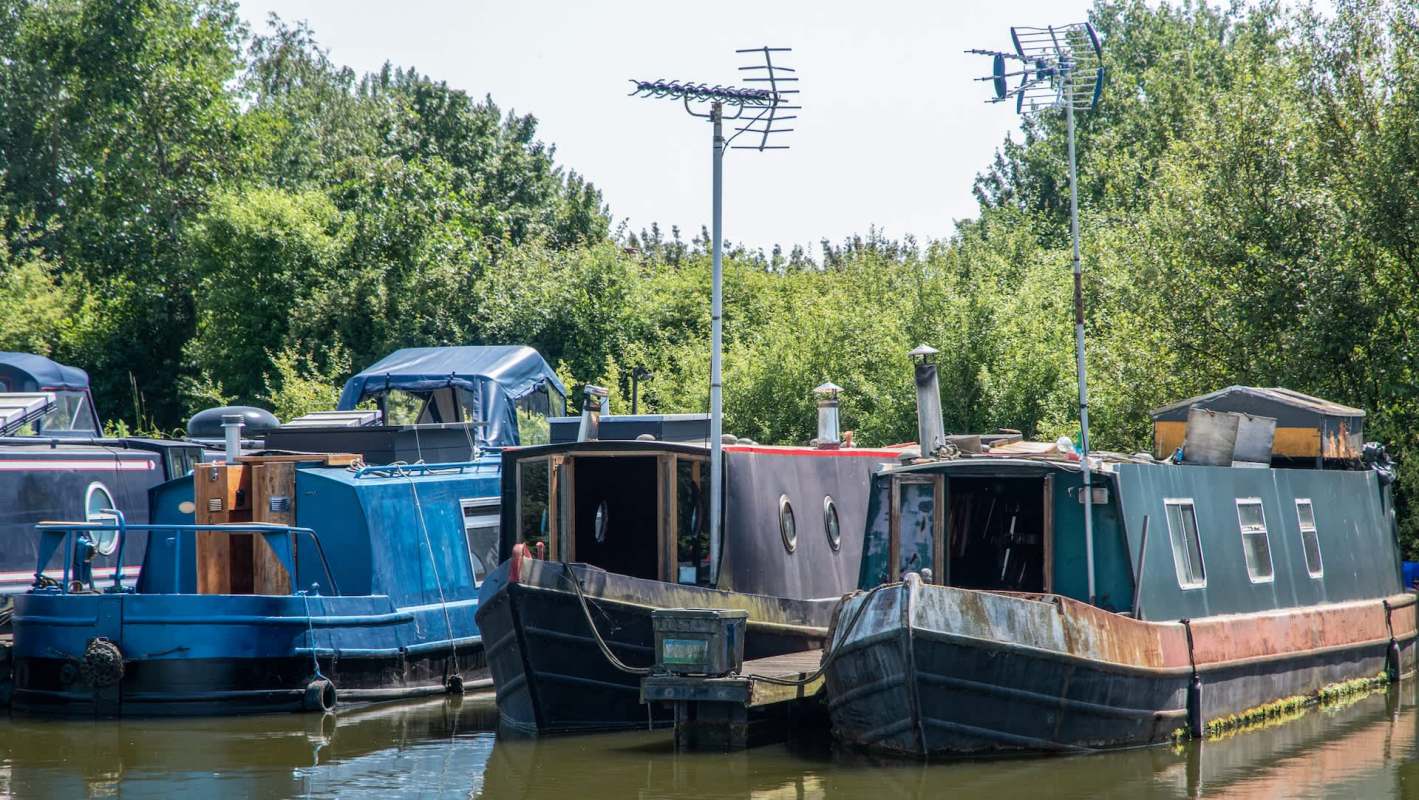
A liveaboard in the United Kingdom says a major grid outage would hardly register on their boat.
With 10 kilowatts of LiFePO4 batteries, 2.2 kilowatts of solar, and roughly 528 gallons (2,000 liters) of diesel on board, the bigger preparedness gap isn't electricity or water — it's food storage.
Here's what to know
"If there was a power cut we wouldn't even know," the original poster wrote in a post on Reddit's r/UKPreppers forum, where they detailed their liveaboard setup.
Its heating and hot-water system also overlap: a diesel heater supplies radiators and hot water, the engine produces hot water when running, and an immersion heater serves as a fallback.
Cabin warmth comes from a multi-fuel stove, but that still means relying on supply boats for coal, with the OP also gathering wood during the summer.
A commenter praised the setup, writing, "From a prepper perspective, you're living the dream." The OP had already singled out the weakest area, admitting, "We certainly aren't pantry prepared. Storage is a premium and I end up eating everything."
TCD Picks » Quince Spotlight
💡These best-sellers from Quince deliver affordable, sustainable luxury for all




More background
Limited storage remains the main constraint, and even the stove isn't fully self-sufficient: the boat still depends on coal deliveries, although the OP plans to "stock up more" on foraged wood.
They also said they could improve water filtration. Their current undersink filter is "only good enough for relatively clean water," so they are considering a stronger system like the one friends use to draw from the river for washing, showering, or treating to drinking level.
Replies also highlighted risks beyond power loss. One commenter warned that a boat could be seen as "less secure than a house and easy pickings," and raised theft, flooding, and fire as concerns beyond blackout readiness.
What can be done?
The most obvious next step discussed in the thread was better food planning. After acknowledging that supplies tend to get eaten instead of growing into a deeper pantry, the poster said, "More planning and structure is required here."
Water treatment is another possible upgrade. The poster said keeping spare cartridges for the existing undersink filter could help, and they are also considering a stronger system.
Not every vulnerability is unaddressed. In a follow-up reply, the liveaboard said they have "multiple fire extinguishers, alarms & automatic bilge pumps," along with motion-activated security lights and CCTV. Those measures address several of the commenter's exact concerns, including fire, flooding, and security.
If a wider emergency changed the security picture, the poster said they would head for "secluded areas and drop anchor away from the shores," while acknowledging that "it wouldn't stop the most motivated attackers."
Where can I learn more?
These stories examine how people on land are building similar backup setups.
• One solar-equipped household said they don't even notice power outages after adding battery backup.
• Preppers weighing generators against solar said they never have to worry when blackouts hit.
• Across the U.S., backup power is increasingly critical as more homes prepare for worsening blackouts.

Get TCD's free newsletters for easy tips, smart advice, and a chance to earn $5,000 toward home upgrades. To see more stories like this one, change your Google preferences here.






