


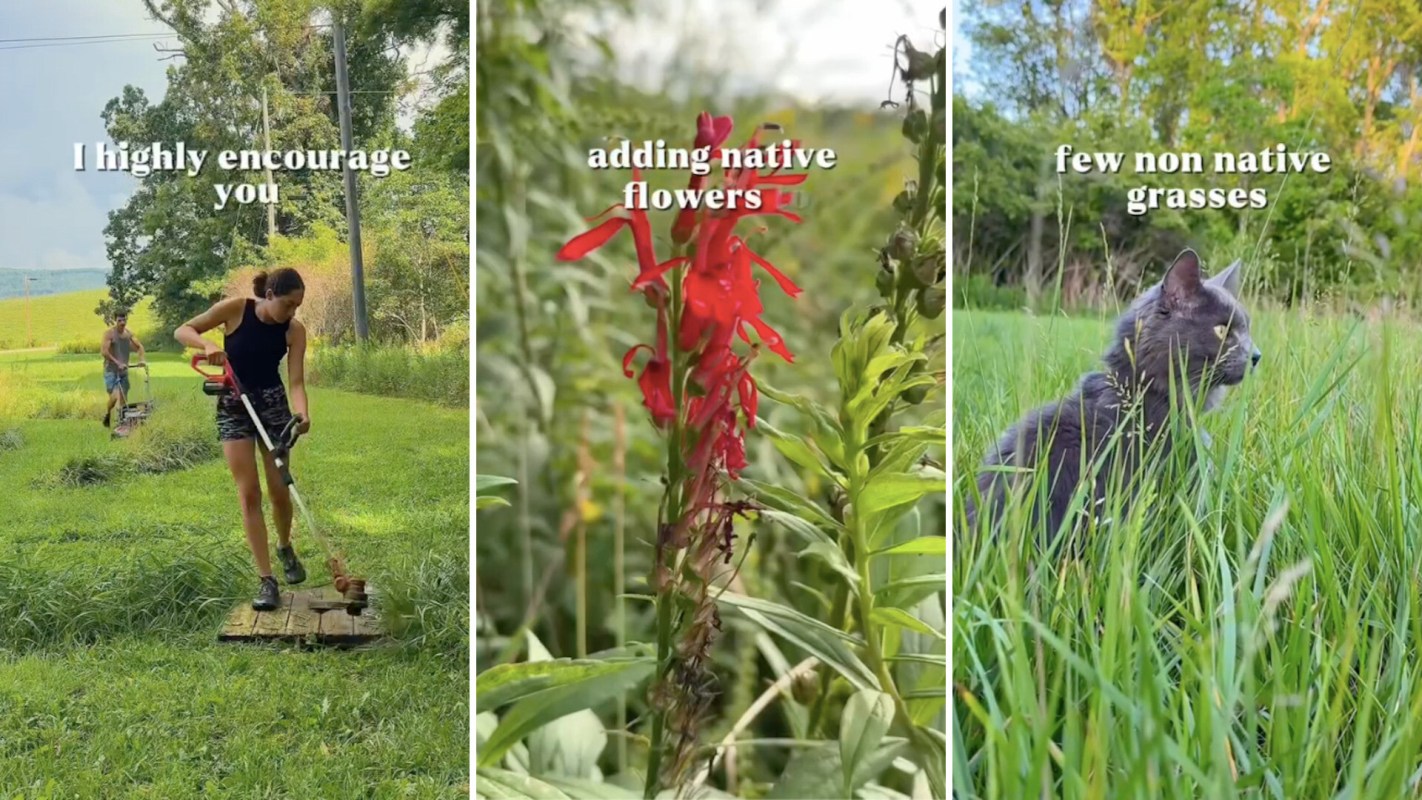
A Virginia couple turned a shaggy one-acre backyard into what People called a miniature "state park" by making small, gradual changes instead of pursuing a full lawn makeover. With curving trails, meadow sections, and native blooms added through projects that usually cost less than $150, they soon began seeing butterflies, hummingbirds, bees, and other wildlife show up.
Here's what to know
Once Brittany Lafave and Ryan Webb moved into their first home in Virginia, they saw their mostly grassy, overgrown yard as more than a lawn to tame. Rather than flatten it into a conventional patch of turf, they started turning it into a place they would actually want to explore.
"We got featured on @people," Lafave wrote in an Instagram post about the project, which shared excerpts from the article.
Existing parts of the yard helped shape the idea from the beginning. In the People story linked in that post, Lafave said, "Our goal is to take the things we all love about State Parks and recreate them on a tiny scale at home." Mature trees, established garden beds, and even a concrete pad hidden underground all fit into that plan.
People reported that the whole project had cost about $900 after roughly six months.
"We've got a field on our property we've done this with too. We walk through the path in it every morning, it's so much prettier than a mowed lawn!" one commenter wrote on Instagram.
TCD Picks » Quince Spotlight
💡These best-sellers from Quince deliver affordable, sustainable luxury for all




More background
Instead of forcing the full acre into a neat, uniform lawn, Lafave and Webb chose to cut paths through taller growth. People said that created meadow-like areas and "edge habitat," giving rabbits, chipmunks, groundhogs, and birds a mix of cover and open space to move through.
Some of the planting happened on its own. As the yard filled in, native plants began showing up, and Lafave told People they found "Cardinal Flowers, Goldenrods, asters, and more!" — native plants that suit local conditions and often need less water and upkeep.
That lower-maintenance quality was part of the point. Lafave specifically said she did not want a yard she had to "constantly water, fertilize, and fight to keep alive," and even a partial shift away from traditional turf can save time on mowing, reduce upkeep costs, and lower water use.
Native plants can also support pollinators and other wildlife by providing food and habitat that standard lawns often do not.
What can be done?
Rather than taking on the entire yard in one sweep, Lafave told People she approaches the work as one "micro project" at a time.
That has meant using what is already on the property, including mature trees and a dead tree they hope to turn into a bench, while picking up native flowers individually for about $10. Her first planting drew a butterfly within a day, followed by a hummingbird a few days later.
Homeowners do not need a full acre to take inspiration from the idea. Even a partial lawn replacement — whether with native plants like Lafave's, clover, buffalo grass, or xeriscaping — can reduce mowing, cut watering, and make a yard easier and less expensive to maintain. For more, check out the TCD Guide's pages on rewilding your yard or upgrading to a natural lawn.
Lafave said she hopes the project encourages people to think differently about spaces labeled "overgrown."
"It isn't until you walk the trails, hear the bees, watch butterflies bounce around flowers, and see chipmunks darting into the tall grass that you really start to appreciate how much life can coexist in one small space," she told People.

Get TCD's free newsletters for easy tips, smart advice, and a chance to earn $5,000 toward home upgrades. To see more stories like this one, change your Google preferences here.






