


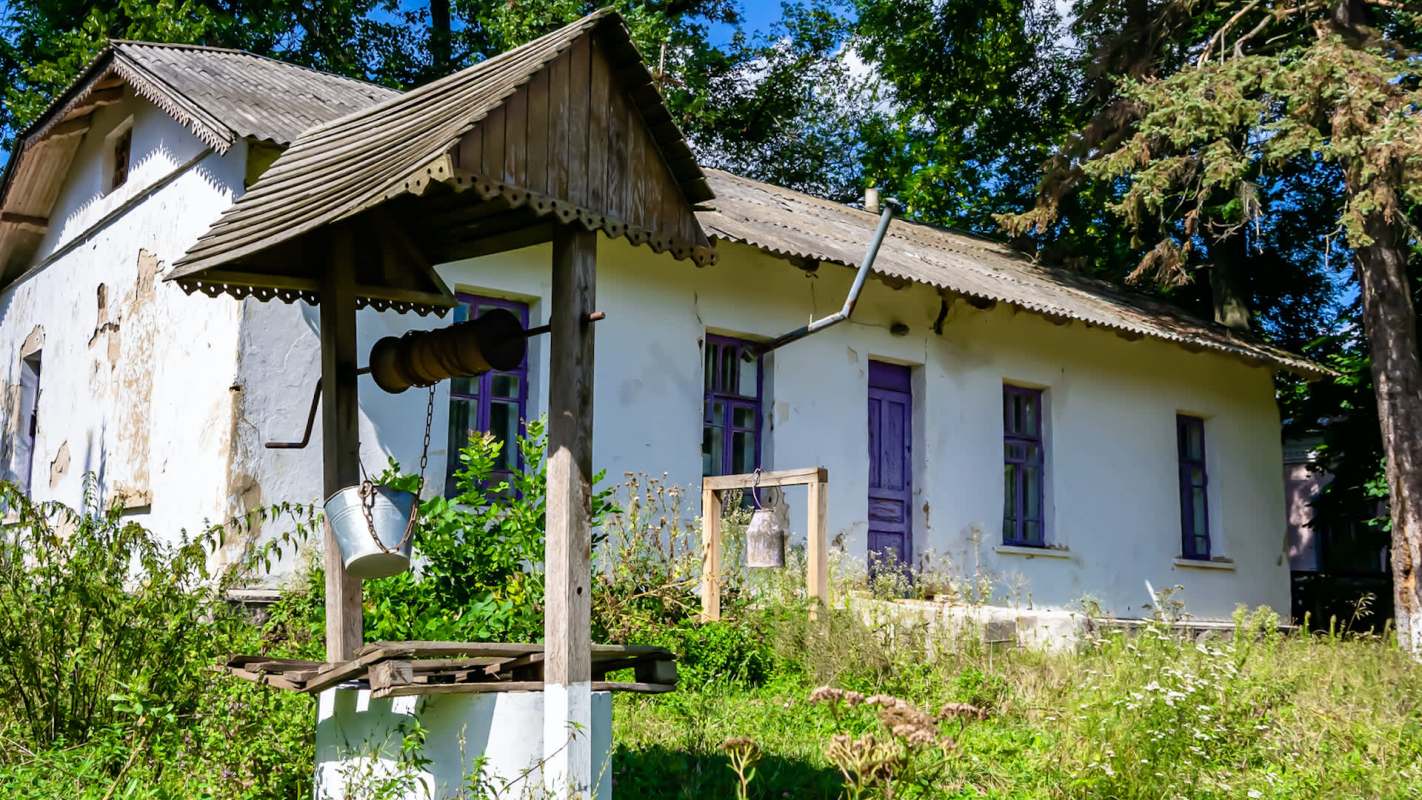
A Maryland home shopper fell hard for an 1850 house — and then got a crash course in what can come with buying an old property that is off municipal water and sewer.
The original poster asked which problems would count as deal-breakers in a house with private water and sewer, writing, "I have become obsessed with a particular home near me."
Here's what to know
The question in a Reddit thread in r/CenturyHomes came from a buyer wondering how hard it would be to switch from public utilities to a private well and septic system.
Commenters said buyers should not assume those systems are covered by a standard home inspection. One commenter said, "For the inspections get a separate well inspection and septic inspection."
Identifying a bad well, a failing tank, or an outdated wastewater setup before closing could save a buyer from inheriting a major repair bill.
Beyond simply confirming that the well works, one commenter said, "The water quality AND flow rate is very important," and urged the buyer to use proper lab testing rather than relying on limited municipal checks or sales-driven "free" tests.
TCD Picks » Quince Spotlight
💡These best-sellers from Quince deliver affordable, sustainable luxury for all




They noted that treatment needs can vary a lot, saying, "pretty good well water" may need only "a water softener and a UV light," but costs rise fast when the water has "iron and tannins, sulfur, and other issues."
More background
More than one commenter pointed out that an 1850 build date does not, by itself, tell you how old the house's main systems are. Their broader point was that age matters less than maintenance and updates, since roofs, siding, wells, and septic systems are often replaced or modified over time.
Still, older rural properties can come with legal and engineering complications that are easy to overlook.
One reply focused on regulatory questions, including water rights, whether the current setup had a legacy provision, and what local rules say about issues such as well depth. The buyer replied that they were in Maryland, though local septic and well rules could still affect future costs.
Someone else warned that an older house may turn out to have a cesspool rather than a modern septic system. In their case, state rules did not allow repairs and required a full replacement. They said a small lot and high water table meant they "had to get a special Japanese system installed" and that the leach field ended up taking nearly the whole backyard.
Inspection is not only about safety — it can directly affect what a home will really cost.
What can be done?
The practical checklist commenters offered included separate well and septic inspections, water quality testing, well flow rate information, and details on the age and type of both systems. They also recommended checking what water filtration equipment is already installed and how old it is.
One commenter also framed the issue financially: "If you find any problems with them just … deduct that off the offer price," they advised.
Those steps can help buyers avoid surprises and better judge whether the charm is worth the upkeep.
Where can I learn more?
For a closer look at what can go wrong with home water and wastewater systems, these stories dig into the costs, contamination concerns, and infrastructure strain homeowners can face.
• In Virginia, private well owners face $300 PFAS tests, and neighbors are helping out.
• Across rural communities, private drinking wells are turning up contamination homeowners never expected.
• In Chicago, analysis of 38,000 tests found lead in drinking water endangering children.

Get TCD's free newsletters for easy tips, smart advice, and a chance to earn $5,000 toward home upgrades. To see more stories like this one, change your Google preferences here.






