


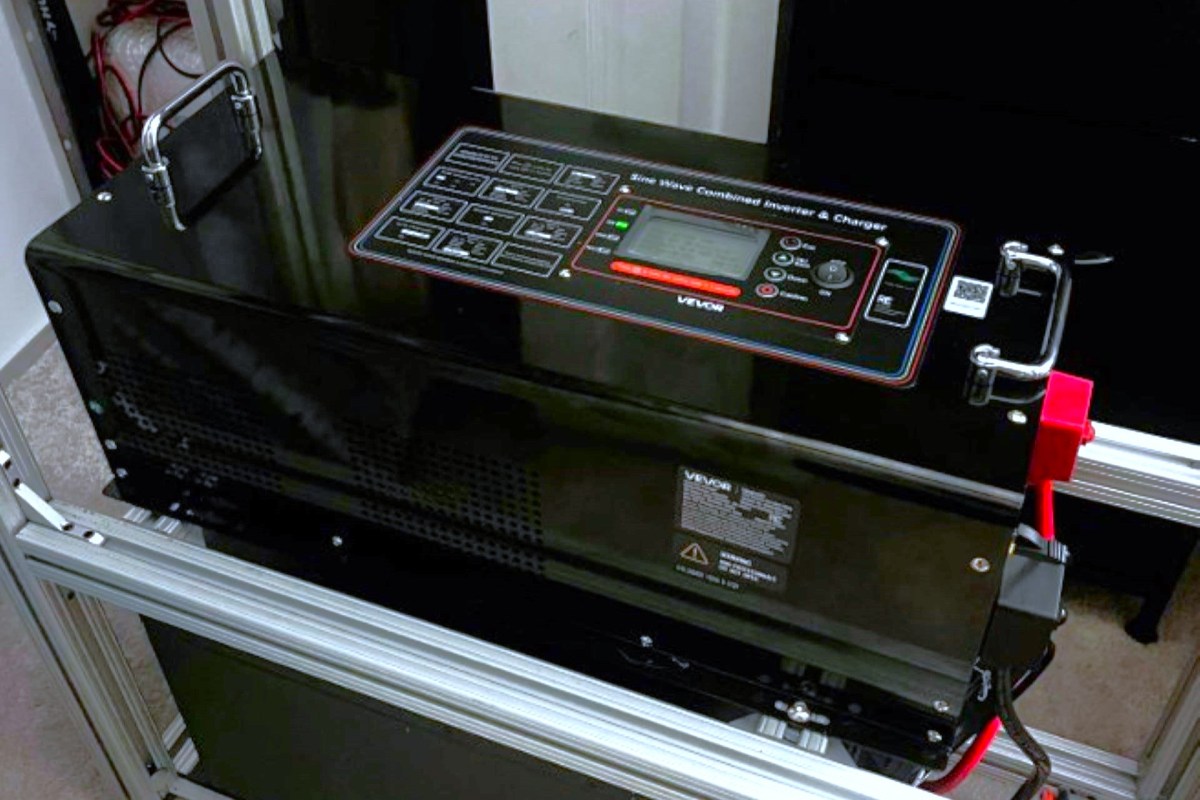
A Reddit user shared their homemade backup-power build for their apartment in a setup meant to roll through any outages. The poster said they are also hoping to add a generator hookup to handle longer outages.
Here's what to know
The Reddit post describes a DCHouse 48V 100Ah battery and a Vevor 6-kilowatt inverter/charger attached to a 4040 aluminum frame, with casters still on the way.
Part of the appeal is the low-and-slow assembly. Instead of buying a single prebuilt unit, the OP said, "It's a spare change build so it's slow going."
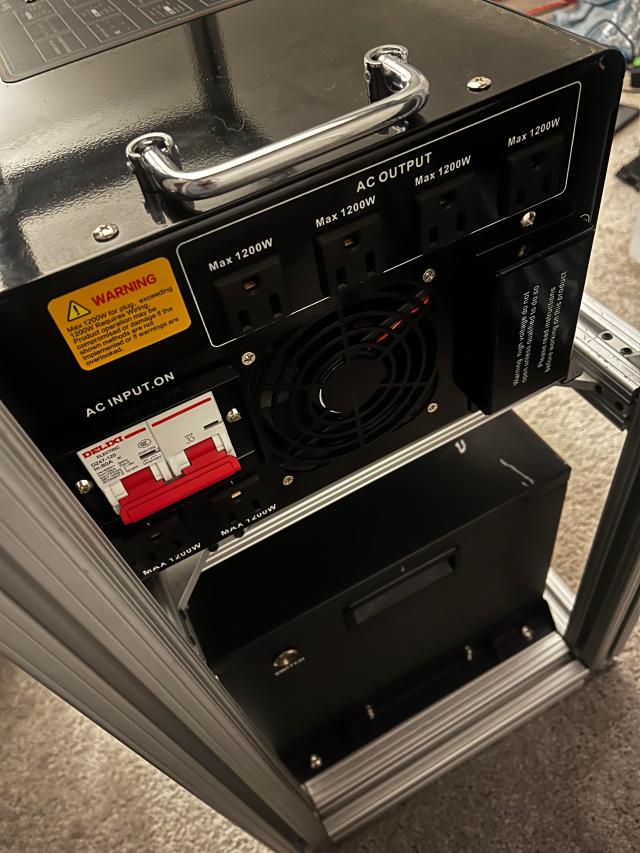
For backup charging during an outage, the OP plans to hardwire a generator feed into the inverter/charger's AC-in connection.
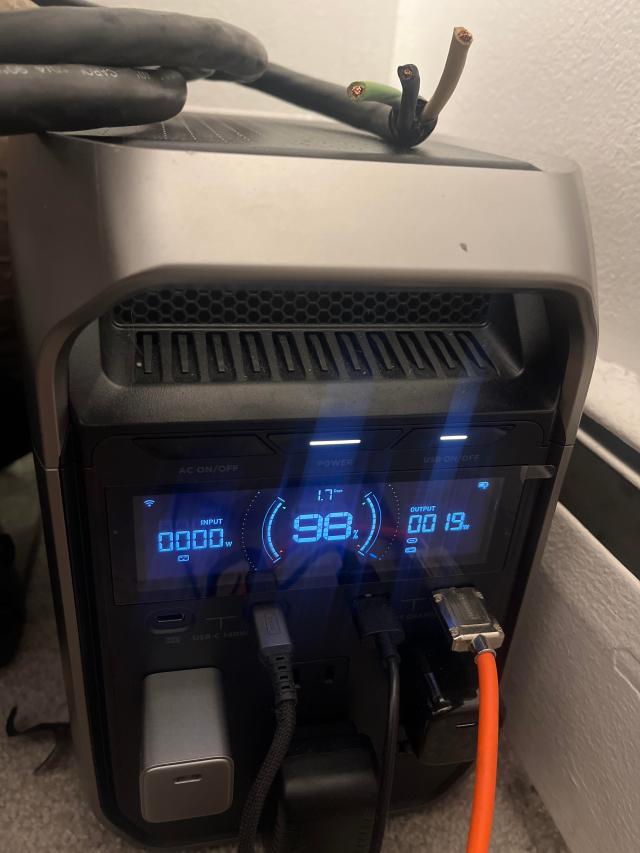
The system also incorporates a WattCycle adapter alongside an EcoFlow Delta 3 Plus. That arrangement lets one cable connect to the Delta 3 Plus during an outage and slowly charge the setup from shore power when grid power is available.
Leaning on the same adapter and other hardware already in hand could cut down on extra add-ons. The OP didn't share a total cost, but their post presents the project as something they will build gradually.
TCD Picks » Quince Spotlight
💡These best-sellers from Quince deliver affordable, sustainable luxury for all




More background
For an apartment or other compact living space, this kind of project could occupy a useful middle ground. A 6-kilowatt inverter/charger suggests capacity beyond charging phones or running a few lights.
Using 4040 aluminum as the base and planning for casters also allows them to move around their bulky battery-and-inverter pairing as needed.
A lot of homeowners are increasingly moving toward battery-powered home backup solutions to replace the need for generators, since they can do what a fuel-powered generator can do without the fuel. While solar panels can reduce charging-related energy costs, you can still charge a standalone system from regular outlets, as EnergySage has covered.
Generally, larger whole-home batteries take in and store additional electricity when everything is working. Then, if there is a blackout, they kick in, with common models handling anywhere from half a day to several days for whole-home usage.
Those who aren't looking for a DIY approach can check comparison sites like EnergySage for options and installation quotes without giving out any contact information until choosing to hire an installer or invite them for an on-site visit.
For those who only want to back up a specific outlet or appliance, like a refrigerator, a smaller battery option like Pila can do that job for a fraction of the price of a whole-home option. Pila models are a bit more like an uninterrupted power supply battery for a computer, but with wider applications to provide longer power in outages.
Where can I learn more?
If you're comparing this apartment-friendly DIY setup with other outage-ready power options, these stories offer a useful look at where the market is headed.
• At CES, companies showcased backup power without rewiring for apartments and older homes.
• Pila Energy is pushing seamless home batteries that help renters add backup gradually.
• New portable units are delivering grid-resilient energy backup for blackouts and everyday charging.

Get TCD's free newsletters for easy tips, smart advice, and a chance to earn $5,000 toward home upgrades. To see more stories like this one, change your Google preferences here.






