


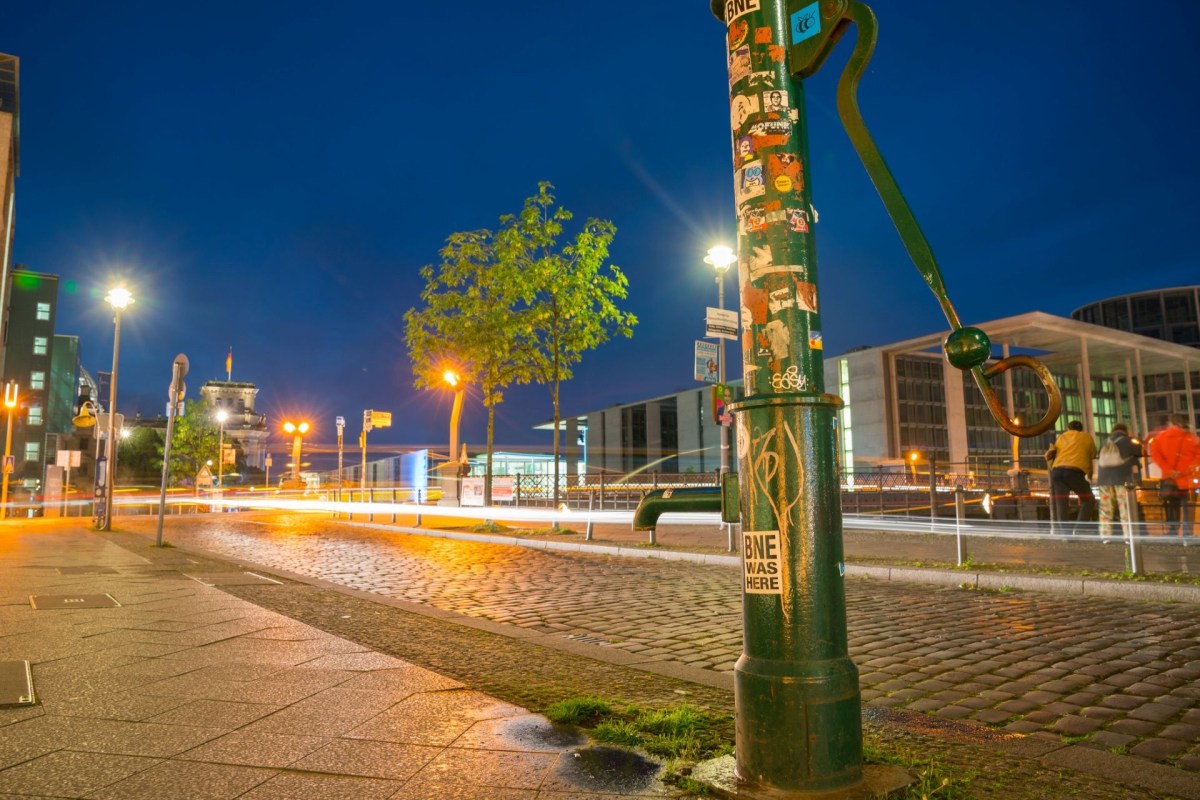
Berlin's emergency water backup is a strikingly low-tech network of nearly 2,000 hand pumps scattered across the city, with the oldest more than 130 years old.
If the main network goes down — whether from a disaster, sabotage, or a cyberattack — those street pumps would become even more important. But the reserve system has a major weakness: more than 580 pumps are out of service.
Here's what to know
Rather than relying entirely on the regular network, Berlin has a separate set of standalone pumps that can pull groundwater if the city's primary supply stops working. They provide water during breakdowns and other threats to key infrastructure.
In an Instagram explainer by DW Environment (@dw_environment), the narrator said there are "nearly 2,000 of these all over the city" and noted that one pump was connected to groundwater "around 40 meters below my feet." The oldest pump in the network is more than 130 years old.
Berlin's fallback capacity is reduced by the number of unusable units, with more than 580 pumps broken.
More background
What sets Berlin apart is how these pumps are spread across the city as independent units. DW Environment called the approach "unique," contrasting it with more centrally organized systems that offer fewer local access points when part of the network fails.
TCD Picks » Quince Spotlight
💡These best-sellers from Quince deliver affordable, sustainable luxury for all




That makes the pumps relevant not just as historical infrastructure but as a potential response to risks. In that light, older equipment on Berlin's streets can also be seen as part of the city's resilience planning.
The same pumps can also be useful outside emergencies. During droughts, they can water nearby trees and plants, so infrastructure intended as a backup supply may also help sustain Berlin's greenery as heat and water stress become more common.
DW Environment cited Rome, Vienna, and Zurich as examples of cities with more centralized fountain networks, which are easier to disrupt and more exposed to attack or system failure.
What's being done?
According to Berlin's public utility, repairs to the long-neglected pumps are starting.
DW Environment added that "brand new ones could follow."
Even as modern threats change, Berlin is still relying in part on an old emergency backup concept. DW Environment summed up the issue with a question: "Is Berlin neglecting a safety net that other cities would love to have?"
Where can I learn more?
Berlin isn't the only place grappling with water stress and backup planning, as these stories show.
• In Tennessee, officials warned complete water system failure could follow if demand stays high.
• Beam Global introduced off-grid solar water desalination for crisis zones facing outages and conflict.
• City planners are embracing sponge city urban design to capture runoff and reduce flooding.

Get TCD's free newsletters for easy tips, smart advice, and a chance to earn $5,000 toward home upgrades. To see more stories like this one, change your Google preferences here.






