


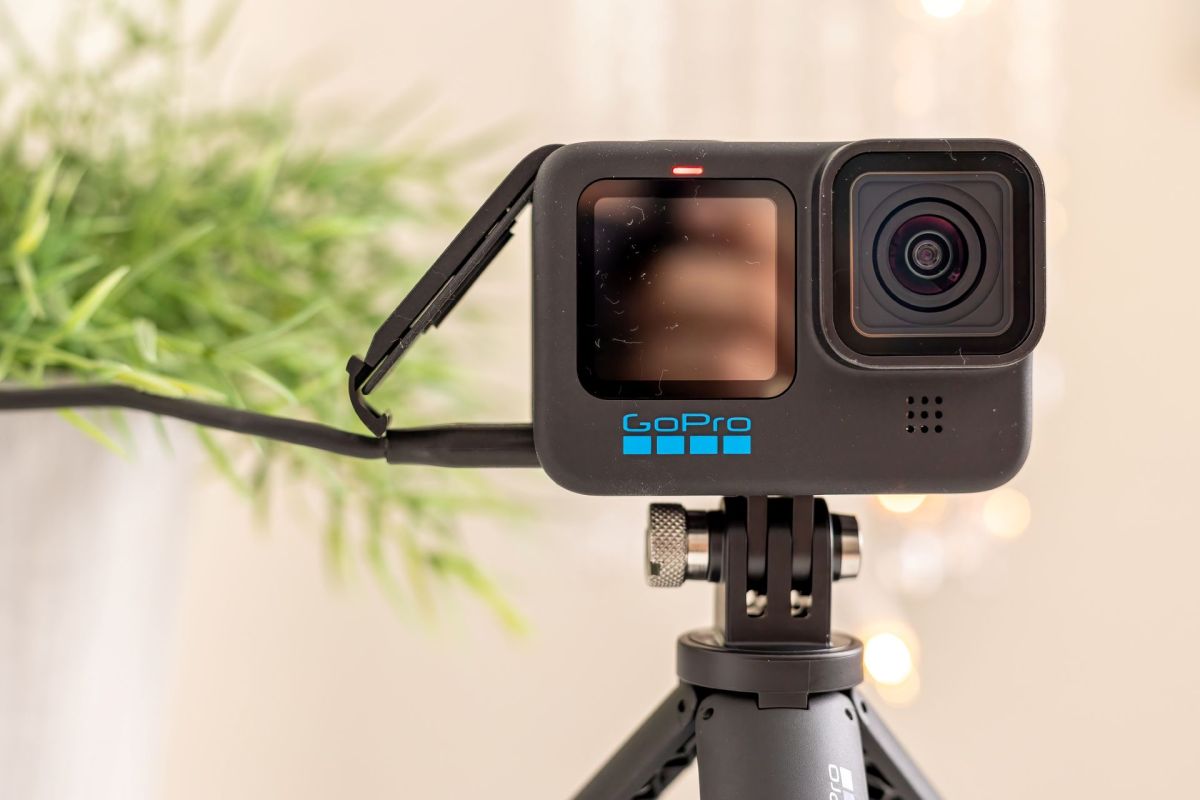
A proposed class action lawsuit alleges that GoPro told shoppers tariffs would not materially affect U.S. pricing, only to raise the price of its HERO13 Black by about $30 anyway.
As a result, consumers absorbed the higher cost even after those tariffs were struck down and refunded, according to a law firm's press release announcing the suit.
Here's what to know
Cotchett, Pitre & McCarthy filed the lawsuit against GoPro in federal court in the Northern District of California's San Francisco division on Oct. 13, on behalf of a proposed nationwide class of consumers.
The case centers on price increases that GoPro allegedly imposed to offset tariff costs.
Among the increases cited in the case, the complaint says the GoPro HERO13 Black went from about $399 to about $429 in the United States after the company allegedly raised prices on flagship cameras and other products.
According to the complaint and the press release, those changes came roughly two months after GoPro publicly said on Feb. 3, 2025 — one day before the first tariffs took effect — that it did not believe consumer pricing would be materially affected.
TCD Picks » Quince Spotlight
💡These best-sellers from Quince deliver affordable, sustainable luxury for all




In February, the Supreme Court determined that the tariffs at the center of the dispute were unlawful. Writing for the majority, Chief Justice John G. Roberts, Jr., held that the International Emergency Economic Powers Act "does not authorize the President to impose tariffs."
Plaintiffs argue that consumers were left out: companies that paid the tariffs directly are now getting refunds plus interest, while shoppers who covered those costs through higher retail prices get nothing back from the government.
More background
The case stems from a broad tariff program introduced in early 2025, when President Donald Trump used emergency powers under IEEPA to impose new tariffs on nearly all imports entering the United States.
The policy started with goods from Canada, Mexico, and China, then expanded to products arriving from almost every country shipping into the United States.
The issue is less about trade policy itself and more about what happened at the register.
If a company raised prices because of those tariffs and later got that money back with interest, shoppers who paid more won't see any of that money returned.
Joe Cotchett, an attorney at Cotchett, Pitre & McCarthy, explained the filing.
"GoPro told the public its prices wouldn't go up because of tariffs. Then it raised them anyway, sold the refund to its lender the day before the Supreme Court ruled, and lined up a sale that pays off everyone except its customers," he began in the press release.
"That's not passing through costs. That's pocketing them," Cotchett added.
What's being done?
The class action asks a federal judge in San Francisco to consider the claims of consumers across the country who bought GoPro products after the price hikes.
The case hinges on whether customers should be compensated when a tariff-related price increase is later reversed for the company, but not for the people who actually paid it.
Sarvenaz "Nazy" J. Fahimi, an attorney at Cotchett, Pitre & McCarthy, asserted that the lawsuit is intended to close the gap between corporate reimbursement and consumer losses.
"As alleged, GoPro assured consumers their prices would hold, then quietly charged them more and kept the refund for itself. Customers trusted the company's word, and they deserve to be made whole."
Attorney Pierce H. Stanley of Cotchett, Pitre & McCarthy maintained that consumers, not corporations, are owed the refunds.
"Families bought cameras to record vacations, sports, and milestones, and they paid an invisible tax that the Supreme Court has now ruled should never have been collected. The refund money exists because those customers paid for it. It belongs to them."
Where can I learn more?
Tariffs have shaped pricing and sales decisions far beyond GoPro's camera lineup. Our coverage also looks at automakers, fast fashion giants, and manufacturers responding to shifting U.S. trade barriers.
• Tesla halted Model S and Model X sales in China after tariffs increased sticker shock.
• Chinese textile firms began looking to Indonesia for opportunities as U.S. tariffs squeezed margins.
• Shein rolled out emergency measures after tariffs as backlash threatened its planned London IPO.

Get TCD's free newsletters for easy tips, smart advice, and a chance to earn $5,000 toward home upgrades. To see more stories like this one, change your Google preferences here.






