


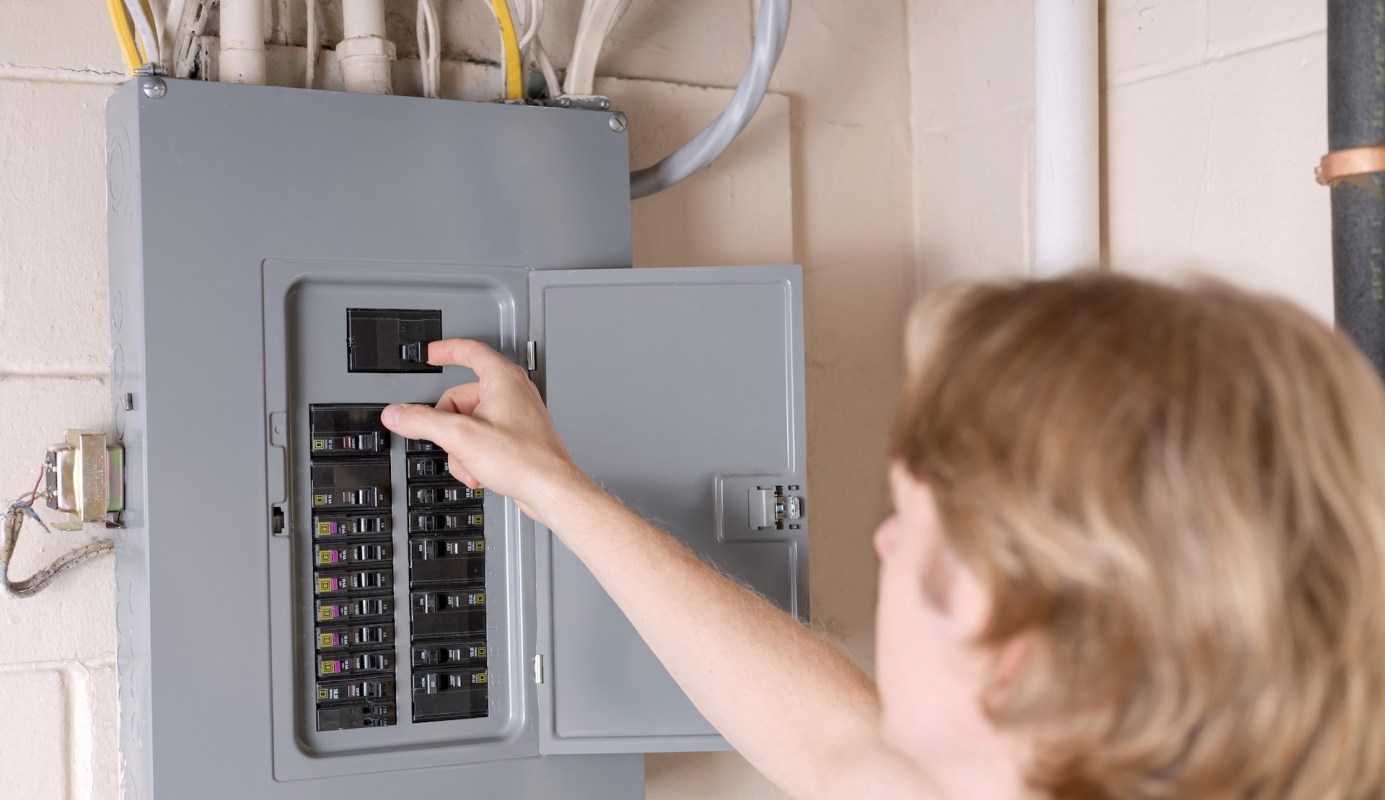
A home battery owner on Reddit used a sunny forecast to stage a fake blackout and make sure an elaborate backup system worked as expected.
The post on the r/enphase subreddit became a practical reminder for anyone with backup power to test their setup ahead of time and potentially catch problems before a real outage.
Here's what to know
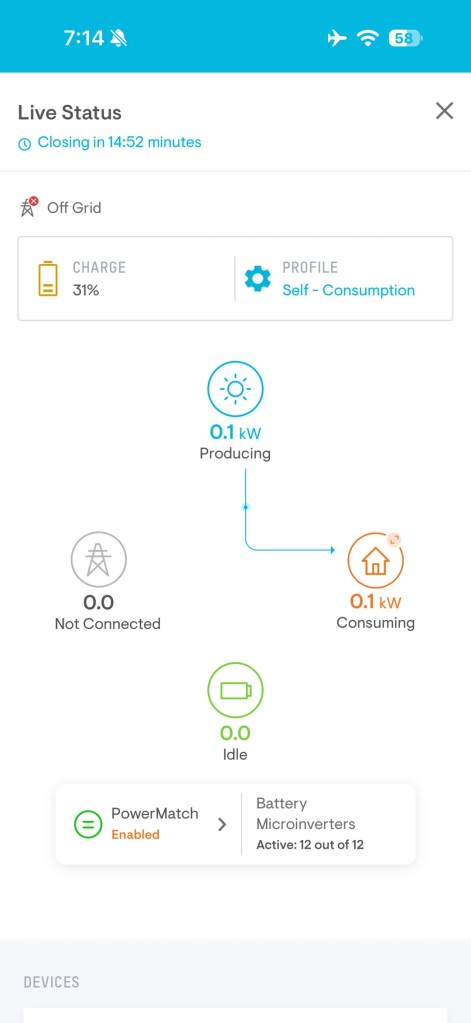
An Enphase owner on Reddit used a self-created outage to check a system built around 11 kilowatts of solar, a 6C combiner, and three IQ 10C batteries.
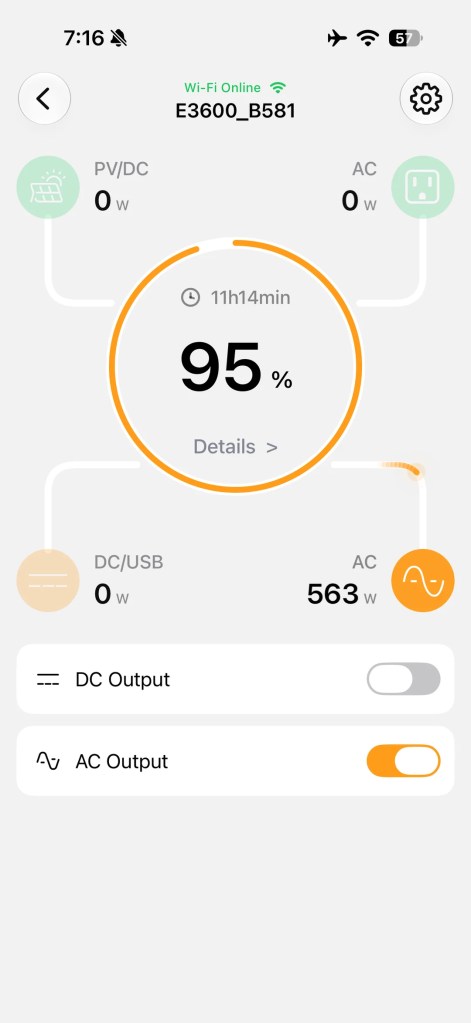
They said a second backup line is also in place, featuring two Pecron E3600 units with roughly 14 kilowatt-hours of capacity tied to a critical-loads subpanel.
According to the poster, an actual blackout would initially leave the Enphase equipment supporting the home's load until they could reach the subpanel. After that, they said, they would normally move most key circuits to the Pecron units first, then switch the subpanel back to Enphase after those portable batteries ran down.
For homeowners considering a similar setup, adding battery storage is one of the best ways to protect your home during outages, save money on energy, and gain more energy independence. If you're comparing options, EnergySage can help you explore home battery storage choices, including competitive installation estimates.
EnergySage has teamed up with electrification brand Qmerit to help homeowners get the best price on home battery storage solutions.
More background
Outage frequency was a major theme in the replies. One person said the first year after their system went in included 23 outages, and length-wise, "most 1-3 hours but a few 24+ hours." They added that their region has also dealt with interruptions lasting "8+ days."
Save $10,000 on solar panels without even sharing your phone number Want to go solar but not sure who to trust? EnergySage has your back with free and transparent quotes from fully vetted providers in your area. To get started, just answer a few questions about your home — no phone number required. Within a day or two, EnergySage will email you the best options for your needs, and their expert advisers can help you compare quotes and pick a winner. Solar panels can save you more than $50k over their 25-year lifespan, and EnergySage can help you save as much as $10k on installation. Which begs the question — isn't that worth an email or two? |

Someone else said recurring two-hour outages blamed on a flaky substation led them to take a lighter approach. Rather than install large batteries, they bought 1-kilowatt-hour power stations for two fridges so they "didn't have to worry about that any more."
In a separate comment, one owner said putting the system into the app's "off-grid mode" did not isolate only the critical-load breakers, because the entire house stayed energized. Another user replied, "That can only be a wiring issue...the installers literally do or do not connect the breakers you want backed up."
The same owner later relayed what the engineering team told them about a second behavior they had noticed. Newer firmware may let the battery discharge somewhat before solar ramps back up, creating headroom for microgrid stability.
What can be done?
People who already have batteries can test the system intentionally before an extended outage does it for them.
A dry run can confirm whether only the intended breakers stay on, whether a critical-loads subpanel isolates the right circuits, and whether a mechanical lockout keeps separate systems from interacting.
"You don't want to get caught with your pants down in an outage and THEN realize you have an issue haha," another poster said.
Battery storage can also make day-to-day life easier by keeping essential appliances running through blackouts while reducing reliance on the grid. For households not ready for a large installed system, Pila offers strong battery backup options, with plug-and-play batteries priced at a fraction of a whole-home backup system.
Where can I learn more?
The Reddit thread fits into a broader shift toward using batteries and solar to get through outages.
• Austin Energy plans to tap home backup batteries to keep power flowing during peak demand.
• New Orleans officials rolled out upfront incentives for residents to buy home batteries after repeated outages.
• Analysts found over 6 in 10 homeowners could ride out blackouts with solar batteries.

Get TCD's free newsletters for easy tips, smart advice, and a chance to earn $5,000 toward home upgrades. To see more stories like this one, change your Google preferences here.






