


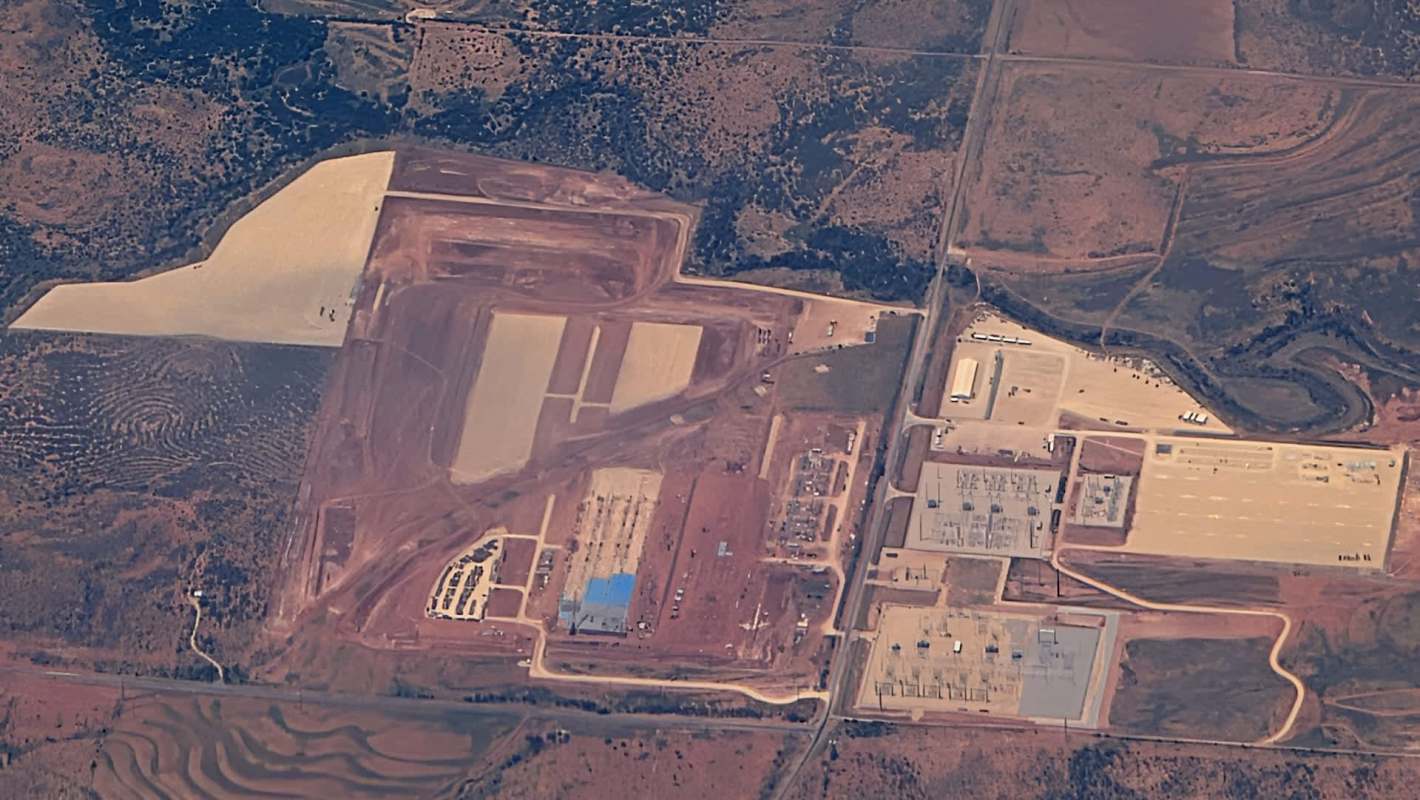
Hood County commissioners rejected a scaled-back settlement for the proposed Comanche Circle data center on Oct. 13 and then unanimously denied the developer's permit appeal.
The deal would have reduced the project's footprint in Hood County from about 2,523 acres to roughly 1,375, according to KERA News (via Texas Public Radio).
Here's what to know
For Sailfish managing partner Ryan Hughes, the outcome was another obstacle in his push to secure approval for the Comanche Circle data center project and related proposals called Project Lion and Project Panther.
Commissioners voted 3-1 against the settlement after hours of testimony and debate.
Precinct 1 Commissioner Kevin Andrews was the sole dissenter, and Commissioner Nannette Samuelson did not attend the Oct. 13 meeting.
Sailfish proposed shrinking the Hood County portion of Comanche Circle to around 1,375 acres from about 2,523.
TCD Picks » Quince Spotlight
💡These best-sellers from Quince deliver affordable, sustainable luxury for all




The company also made commitments on setbacks, cooling methods, light pollution, and repairs to county roads.
Hughes told county officials in an Oct. 1 email that the agreement would "help avoid litigation" and let the project move forward with added restrictions.
In that same message, he warned that rejecting it could lead to a lawsuit and "a larger project with fewer restrictions."
More background
Community members who spoke to commissioners said the county needed to more closely examine possible effects on water resources, wildlife, nearby properties, and the broader regulatory process, and opposition remained strong even after the project was reduced.
Data centers can support AI tools that help improve clean energy systems and other services, but they also require enormous amounts of electricity and water for cooling.
In Hood County, residents raised concerns about water resources, and Sailfish committed to cooling methods.
A smaller version under discussion would still have covered about 1,375 acres in Hood County.
Sailfish's promises on road repairs and light pollution addressed local concerns, including traffic, infrastructure wear, and nighttime impacts for nearby landowners.
What's being done?
Through the settlement package, Sailfish tried to address objections by offering a smaller project footprint and commitments on setbacks, cooling methods, light pollution, and county road repairs.
Commissioners did not accept that offer, and they later denied the company's appeal of the county's ruling on its on-site permit applications.
Andrews said legal counsel placed the appeal on the agenda and that county regulations allow the developer to appeal. He maintained that the county should keep negotiating rather than end the process after rejecting the settlement.
The next step is unclear, though Hughes' Oct. 1 email said rejecting the agreement could result in a lawsuit.
"We have been offered concessions that we can't regulate, and I think it would be a good idea for us to continue to negotiate to try to get to terms that work for the county," Andrews said.
Where can I learn more?
The dispute in Hood County is part of a wider debate over where AI data centers can be built and how much say local communities should have. These articles track similar clashes in Texas and other states over land use, water, power, and county regulation.
• In Hill County, officials slammed the brakes on AI data center construction amid rural backlash.
• Across rural counties, developers target unincorporated areas to bypass city rules and tougher oversight.
• Gov. Greg Abbott warned projects must bring their own power and water to rural Texas.

Get TCD's free newsletters for easy tips, smart advice, and a chance to earn $5,000 toward home upgrades. To see more stories like this one, change your Google preferences here.






