


One homeowner enjoyed a $0 electric bill after installing solar panels, until a letter from their energy supplier changed everything.
The equation changed for the homeowner's 9.45-kilowatt solar setup after the utility switched from net metering to net billing.
The owner is trying to determine whether a single 13.5-kilowatt-hour Powerwall 3 makes sense now that 1:1 net metering ended.
Here's what to know
The issue surfaced in a Reddit thread on r/diySolar where the homeowner said the utility had shifted the account from net metering to net billing, reducing export compensation to only "a fraction" of retail after months of banking "hundreds of credit kWhs."
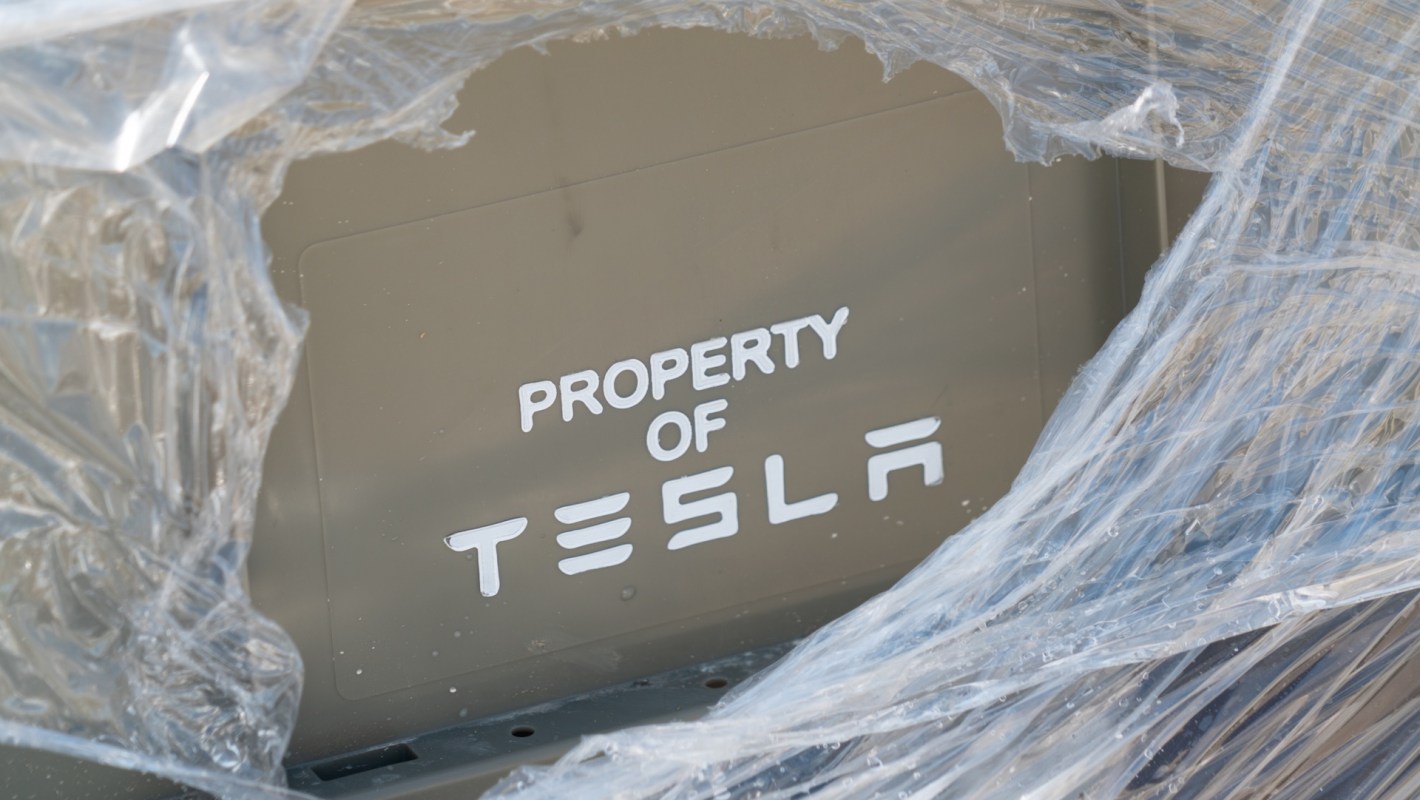
That change is why the poster is considering a Tesla Powerwall 3 to cover overnight household use while both EVs are charged during daylight hours.
Adding battery storage is one of the best ways to protect your home during outages, save money on energy, and gain more energy independence. Homeowners can compare capacity, chemistry, and price on EnergySage to explore home battery storage options and competitive installation estimates. EnergySage has teamed up with electrification brand Qmerit to help homeowners get the best price on home battery storage solutions.
Replies quickly focused on crunching the numbers, which the post didn't include.
One commenter asked, "You give us no actual numbers to work with. On average how many kWh does the house consume daily? For how many hours or days do you desire the battery pack to provide power?"
Crushed by your bills? See instant solar savings from vetted installers in just a few clicks With energy prices through the roof, there's never been a better time to go solar — and EasyHome can help you find the best prices from the best installers in your area. EasyHome takes the guesswork and headaches out of energy upgrades by showing you estimated savings from a network of vetted local partners. To get started, just enter your ZIP and share a few details about your home — seeing your estimate is really that easy. |

Others agreed that panel size alone is not enough to size a battery, since overnight demand, climate, and the daytime charging pattern for two EVs all affect the answer.
More background
For households with air conditioning, electric appliances, and EVs, non-solar hours can add up quickly even when rooftop solar is generating plenty of energy during daylight hours.
When utilities pay less for exported solar, storing that energy at home matters more because it reduces how much power you sell back cheaply. One commenter shared in the frustration: "Happening everywhere. Buy for a penny sell back for 12 cents here. I refused to hook anything to the grid."
In the thread, one commenter who said they had lost net metering reported that a 14-kWh battery still saved "about $1200/year anyway," even though EV charging meant they still relied on the grid at times.
What can be done?
A common recommendation in the thread was to base the decision on household consumption first. One commenter suggested figuring out "how many kWh your house needs on a daily basis without the EV's," and then working backward from that total.
Using that approach, a home that uses 30 kWh per day would need about 22.5 kWh of usable battery capacity.
Commenters also warned that EV charging can dwarf ordinary backup needs. One wrote that "13kWh isn't a lot compared to an EV car or two," while another said their vehicles require around 75 kWh each. The takeaway from those replies was to charge EVs during solar-producing hours and size battery storage mainly around the home's evening electricity use.
Some users steered the homeowner away from Tesla and toward cheaper batteries, calling Powerwalls pricey and suggesting they look at other brands before committing. For households that want a smaller backup layer rather than a full whole-home system, Pila offers strong battery backup options, and its plug-and-play batteries cost a fraction of a whole-home backup system.
Where can I learn more?
These stories explore the same billing and battery tradeoffs solar homeowners face when export credits shrink.
• Across the U.S., only 20 states still offer net metering that can weaken battery payback.
• In Connecticut, home batteries gained an edge as rooftop solar incentives ran into caps.
• In South Carolina, a solar app showed exports before a bill claimed grid use.

Get TCD's free newsletters for easy tips, smart advice, and a chance to earn $5,000 toward home upgrades. To see more stories like this one, change your Google preferences here.






