


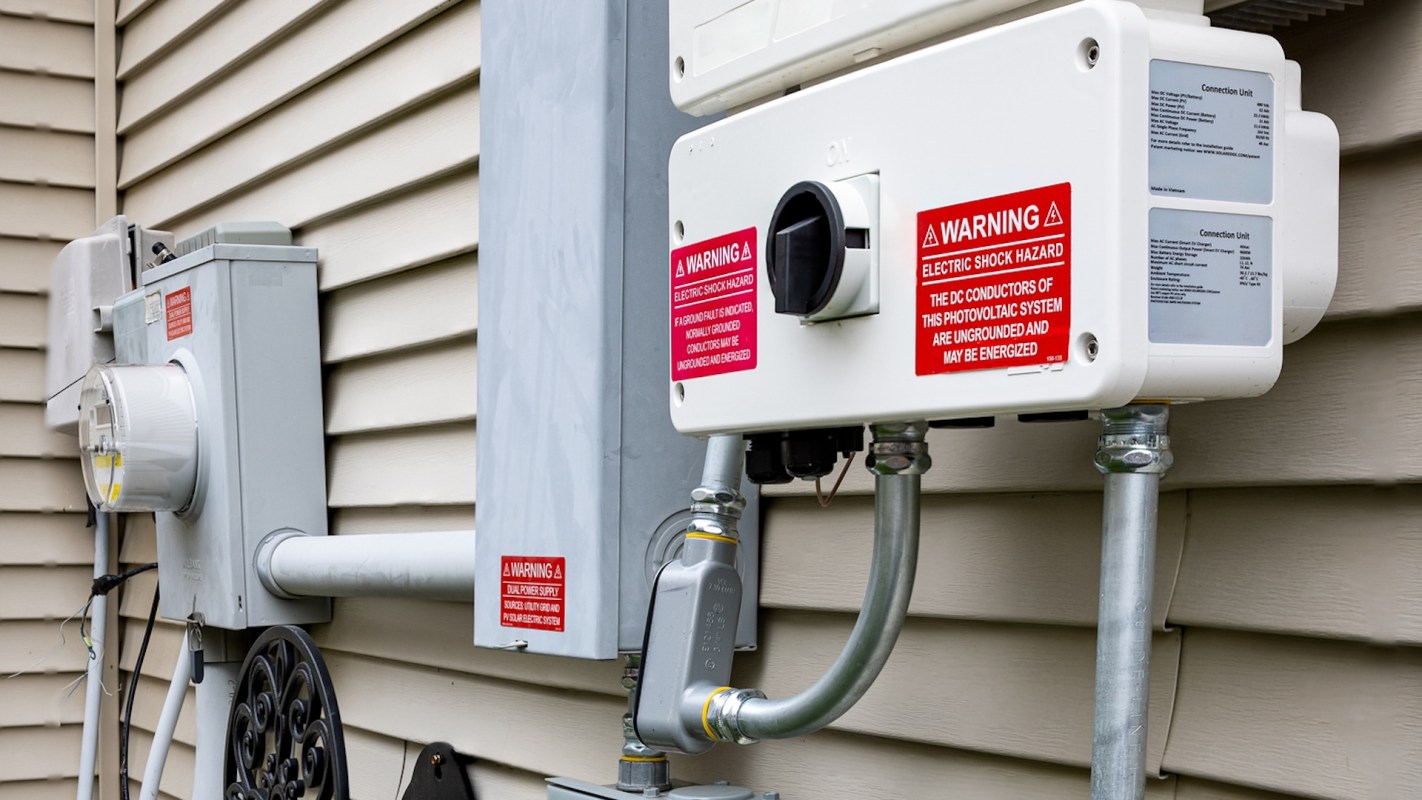
A homeowner whose electric use more than doubled after a utility-reported meter problem looked into solar panels to lower their utility bill.
But when they got a quote, they were stunned to receive an estimate over $70,000. The homeowner then asked Reddit's r/SolarEnergy community, "Is this cost normal?"
Here's what to know
In the Reddit thread, the original poster wanted to know whether the $70,145 quote for a 26.8kW solar-only system was too high or standard. They said their power bill had been "getting increasingly higher" even though they had been "not doing anything different than we have the last 18 years," and that the surge started after the utility said "there was a problem at my meter."
OP compared their year-over-year usage, writing: "Last September I used 1,031 kWh. This September they are saying I used 2,267. More than doubled and we haven't done anything different for it to go up like that."
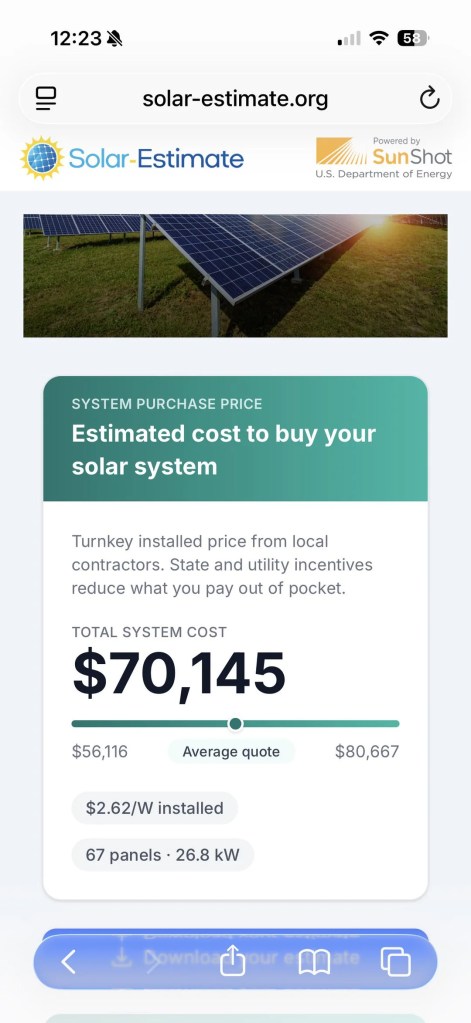
The top comment read: "That is a ton of solar for a home. A typical home has 5.6 or 8kw, maybe 10 or 12kw." The same commenter argued that "consuming less power is always more cost effective than producing that demand with solar."
Another wrote that "sounds like you need to figure out your actual consumption first… No change in use in 18 years but 'soaring usage' doesn't make sense."
One commenter estimated that a DIY setup producing about 2,300 kWh per month should be "around 30k," with a professional installation potentially costing far more once labor was added. Separately, someone else said that even when using "2k+ kWh on a monthly basis you do not need 26.8kW of panels."
Commenters also suggested the spike in consumption was bad data or an external issue rather than a real change in household demand. One wrote: "Might need to check if someone's stealing your electricity then for a 100% increase. Heck, [the] power company might even be lying or made an error."
Save $10,000 on solar panels without even sharing your phone number Want to go solar but not sure who to trust? EnergySage has your back with free and transparent quotes from fully vetted providers that can help you save as much as $10k on installation. To get started, just answer a few questions about your home — no phone number required. Within a day or two, EnergySage will email you the best local options for your needs, and their expert advisers can help you compare quotes and pick a winner. |

A few replies focused on devices that might be failing or stuck on. Suggestions included an "AC breaking and running all of the time" or "a pool heater or hot tub" or another appliance "not shutting off like it should."
What can be done?
Overall, commenters said the spike needed to be diagnosed before the homeowner bought panels sized around it.
That included practical troubleshooting steps. One commenter suggested using a kill-a-watt device to measure what each appliance draws and "chase it down with a little patience." Their bottom line was: "Fix the problem, then decide if you want to make a solar purchase."
Still, going solar is one of the best ways to save money on home energy, but only when the system is sized to your real usage.
More From EnergySage
💡Go deep on the latest news and trends shaping the residential solar landscape



For homeowners who do move forward after verifying their actual usage, shopping around can make a huge financial difference. With EnergySage's help, the average person can save up to $10,000 on solar purchases and installations.
Plus, EnergySage's solar map shows the average cost of a home solar panel system on a state-by-state level, as well as details on solar panel incentives for each state.
Where can I learn more?
If you're trying to make sense of a big solar quote after a puzzling power bill, these stories show how billing rules, meter data, and system sizing can affect the numbers.
• After installing solar, a homeowner got a surprise energy bill and wanted answers.
• In Ohio, a homeowner discovered net metering may leave nearly half the monthly bill untouched.
• In Australia, a homeowner said a 20kW solar setup made blackouts disappear and earned credits.

Get TCD's free newsletters for easy tips, smart advice, and a chance to earn $5,000 toward home upgrades. To see more stories like this one, change your Google preferences here.






