


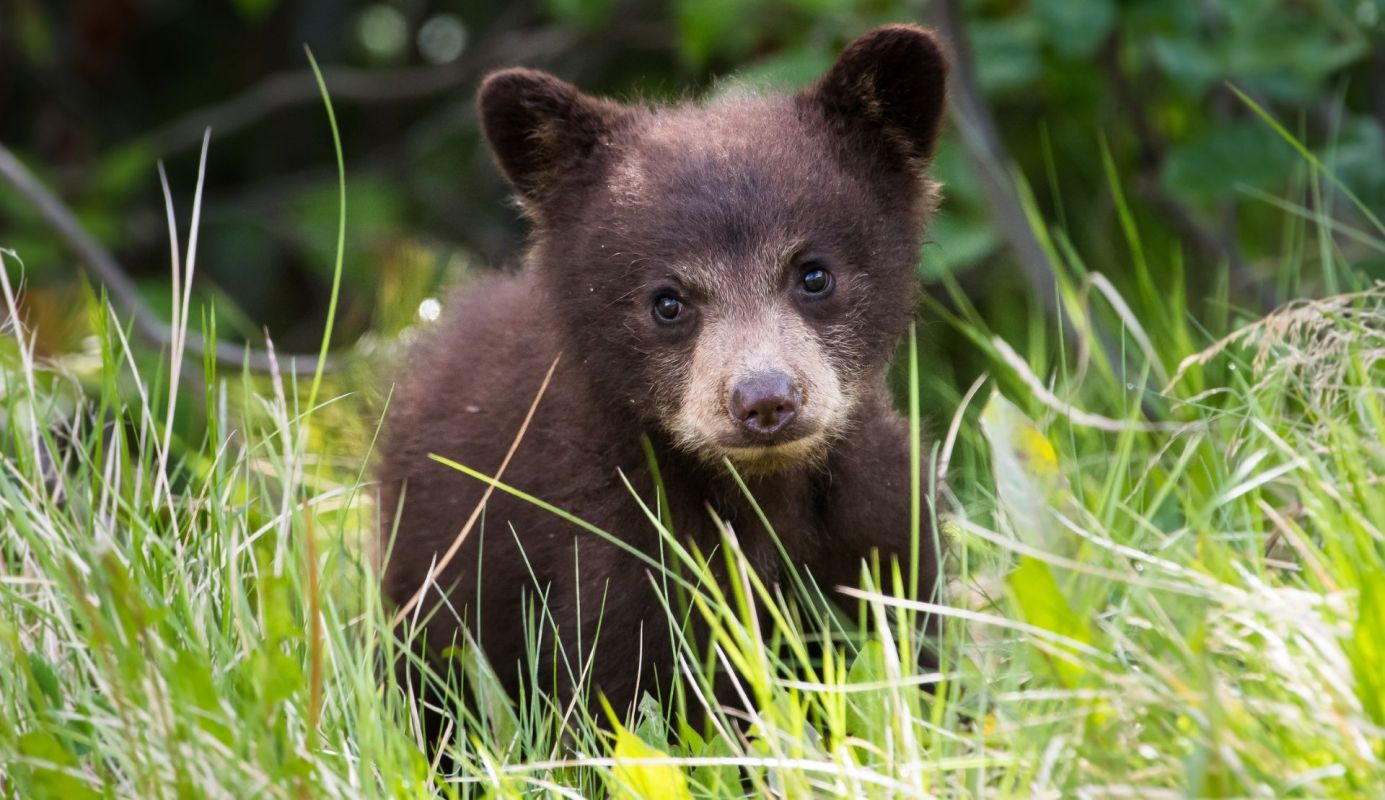
Staff with the North Carolina Wildlife Resources Commission rescued a black bear cub after it spent several days with a large plastic jar stuck over its head.
The cub was soon back with its family after the jar came off, while its mother remained nearby during the rescue.
Here's what to know
According to WLOS, reports about the cub began reaching the N.C. Wildlife Resources Commission's Wildlife Helpline on Oct. 6 in Haw Creek. Staff finally located the animal at 12:30 p.m. on Oct. 8 and briefly drew off its mother and a sibling so they could take off the plastic jar.
According to Anna Gurney, a public relations manager for the Wildlife Resources Commission, staff had to carefully cut the container away.
"While the cub was unable to forage for at least several days due to the jug covering its head, there was a crack in the plastic jug, which allowed it to breathe," Gurney told WLOS.
Gurney said staff observed the cub from a distance before darting it, and it appeared to be moving normally without visible injuries. After the animal was anesthetized, staff examined the cub and did not find any injuries. They then worked quickly to remove the jar and wake the cub so it could rejoin its family, per WLOS.
TCD Picks » Quince Spotlight
💡These best-sellers from Quince deliver affordable, sustainable luxury for all




KAKE News (@kake.news) shared an image of the cub provided by the commission:
More background
Wildlife officials said the incident appears to be tied, at least in part, to human trash. Staff found a nearby business with an overflowing dumpster and a trail of garbage leading away from it, and wildlife officials believe bears had been "dumpster diving" there in search of food, the station reported.
Gurney told WLOS other bears had been seen rummaging through residential trash cans in the same neighborhood before Oct. 8. The cub's ordeal began in places where human food waste was easy to access, not in the woods.
Unsecured trash can turn an everyday sanitation problem into a wildlife emergency. It can also draw animals closer to homes and businesses, increasing the chances of tense or dangerous encounters, as the BBC explained.
What can be done?
The commission said the public should leave situations like this to trained wildlife professionals.
"Members of the public should not attempt to approach wildlife, particularly a female bear with cubs," Gurney noted to the outlet.
Anyone who sees an animal in distress in North Carolina should contact the N.C. Wildlife Helpline at 866-318-2401 or email hwi@ncwildlife.org. The agency said its staff is trained and experienced in responding to situations involving trapped or injured bears.
Officials also pointed to a simple prevention step for both neighborhoods and commercial areas: secure the trash. In this case, a full dumpster may have set the stage for the cub's ordeal, while residential trash cans were also drawing bears into the area.
James Tomberlin, Western Management Western Supervisor, thanked community members for reporting the cub in distress before putting in a request.
"We ask that both residents and businesses secure their trash to avoid these types of issues," Tomberlin told WLOS.
Where can I learn more?
Similar rescues and human-wildlife conflicts show how quickly unsecured trash and other types of entanglements can put animals at risk.
• In Colorado, wildlife officers rushed to rescue a bear cub tangled in a wire fence.
• In Wisconsin, wildlife officials found a bear with its head stuck in a jar for a week.
• In Asheville, neighbors warned that feeding baby bears could get a habituated animal killed.
• After a mama bear's death, officials weighed new wildlife coexistence reforms to protect cubs.

Get TCD's free newsletters for easy tips, smart advice, and a chance to earn $5,000 toward home upgrades. To see more stories like this one, change your Google preferences here.







