


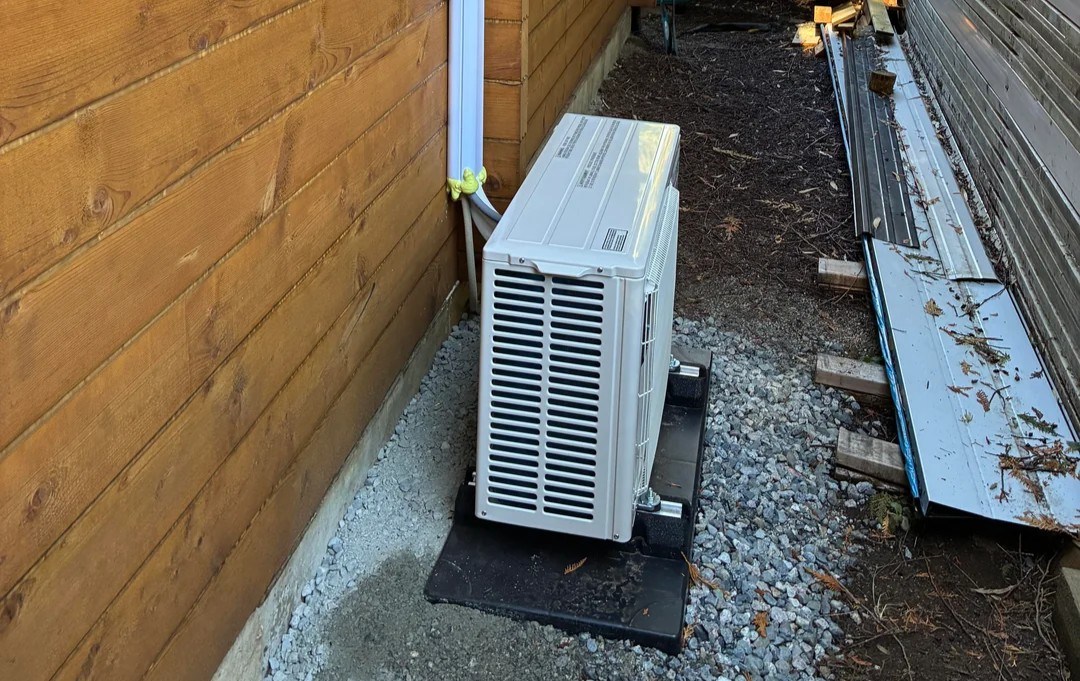
A homeowner who obtained an EPA certification earned praise on Reddit after installing a mini-split in a log-cabin home office with only $1,000 in equipment.
Several said the finished work looked just as good as many professional installs.
Here's what to know
In r/hvacadvice, the homeowner said the first step in the project was getting an EPA 608 technician certification. After that, they installed the unit with their wife over two days in 16 hours, following the manufacturer's instructions "exactly," including a vacuum to 200 microns and a pressure test. Now they are just waiting for an electrician to add a subpanel and a cutoff switch.
"Most of that [time spent] was making sure we understood every step before attempting, and learning/practicing with the tools we hadn't used before. I think that time would be cut in half for another install for a simple single head unit," the original poster shared. "Thought I'd share my experience if there are others considering a similar path."
Readers were especially struck by how methodical the install was.
"Usually id say just pay someone to do it right but looks like youve done a good install, well done," one commenter said.
"Nicely done! I wish half the people I have taught over 30 years installed like this!" another gushed.
Energy-efficient HVAC systems, such as mini-splits, are one of the best ways to cut utility bills and protect against rising energy costs because heating and cooling are most households' biggest energy expenditures.
Save $10,000 on solar panels without even sharing your phone number Want to go solar but not sure who to trust? EnergySage has your back with free and transparent quotes from fully vetted providers in your area. To get started, just answer a few questions about your home — no phone number required. Within a day or two, EnergySage will email you the best options for your needs, and their expert advisers can help you compare quotes and pick a winner. Solar panels can save you more than $50k over their 25-year lifespan, and EnergySage can help you save as much as $10k on installation. Which begs the question — isn't that worth an email or two? |

If a DIY project isn't for you, Palmetto can help homeowners understand their HVAC options, and its Comfort Plan network can connect you with vetted installers.
What can be done?
For anyone considering a similar route, the post highlights a few key steps: get the proper certification, plan for specialized tool costs, practice on extra materials first, and test to confirm the equipment is properly installed. Follow-up advice focused on the finishing details.
One commenter said the electrician should add a surge protector at the disconnect, and the homeowner replied, "Yep! Surge protector is going in, and an arm is going in as well."
Others recommended ensuring the condensate line is in a favorable position for the OP's climate. "If it gets below freezing in winter you may have some trouble with condensate drain freezing up on the exterior," one person warned.
For people who want efficiency upgrades without a full DIY install, Palmetto's Comfort Plan offers $0-down options that can cut heating and cooling costs by up to 50% and includes 12 years of free maintenance.
Homeowners can also pair solar panels with electric appliances, like efficient HVACs, to push utility costs even lower. EnergySage makes it easy to compare solar options and find the best system and installer for your home and budget, saving homeowners up to $10,000 on installations.
Where can I learn more?
Finding the right HVAC for your home at the right price can make a world of difference in comfort and cost.
• A concerned homeowner learned comfort matters as much as energy savings with heat pumps.
• After an old furnace failed, homeowners warned not to let contractors upsell replacements.
• Frustrated customers said some HVAC companies used trust-me sales to push pricey systems.
• EnergySage built an HVAC marketplace so homeowners can compare quotes with expert help.

Get TCD's free newsletters for easy tips, smart advice, and a chance to earn $5,000 toward home upgrades. To see more stories like this one, change your Google preferences here.






