


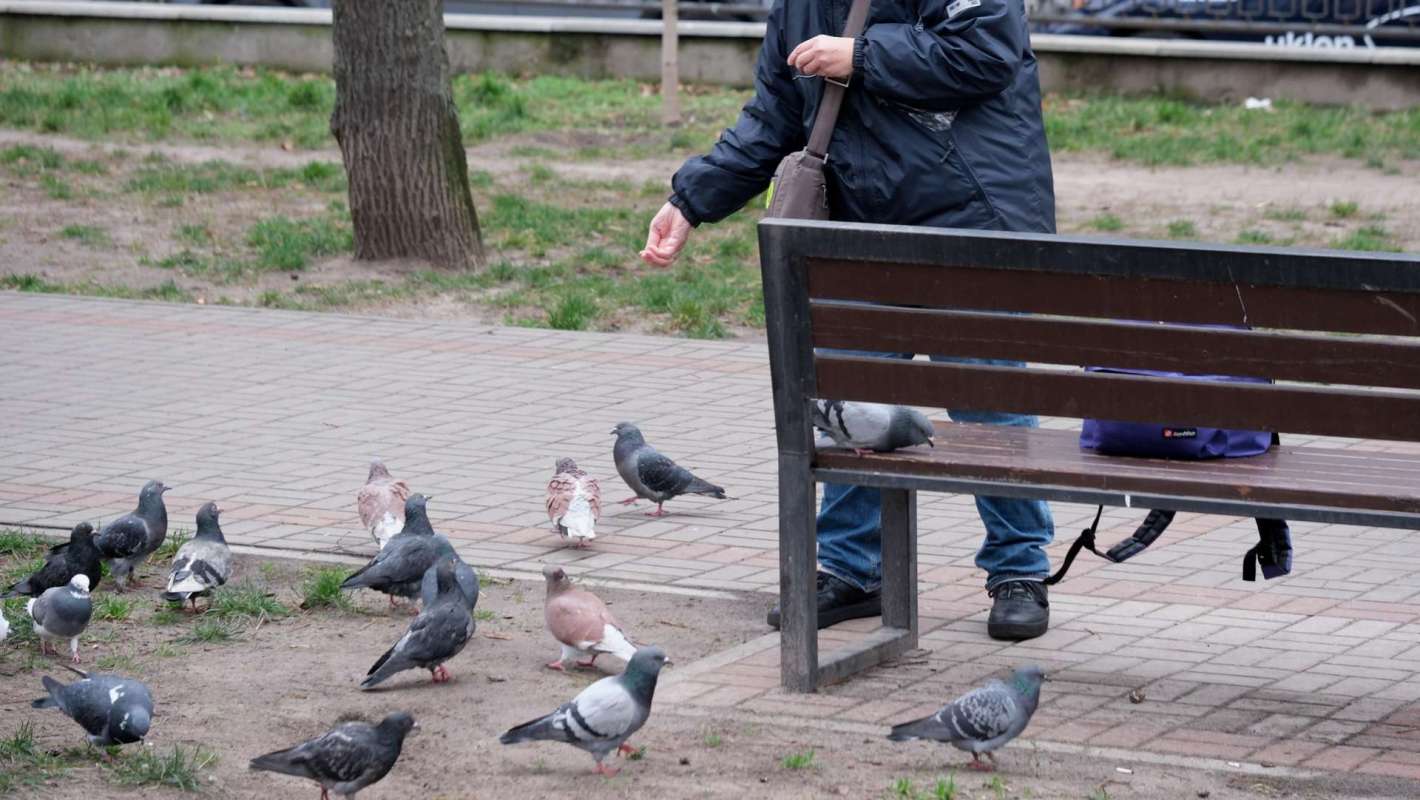
Chicago officials say a growing pigeon-and-rat problem in Lincoln Park stems from 94-year-old electronics billionaire Barre Seid, who hired people to distribute nuts and seeds near his home and around the park, worsening conditions in the neighborhood.
Here's what to know
According to Gizmodo, a city document says officials in Chicago's 43rd Ward have classified the activity as a "public health hazard." In their account, Seid's workers have been leaving "nuts, seeds and other foods" around his residence and across nearby Lincoln Park for three years.
City officials say the feeding first drew large groups of pigeons, and that the accumulating droppings then contributed to "a significant rat infestation." In a tightly packed area, a dependable food supply can spill over into sidewalks, alleys, and green spaces.
Lincoln Park resident Caroline Novak told WGN-TV it contrasted with the acorns and scraps wildlife might typically find in a city park, saying, "It's like a luxury melange of really nice nuts. I'm talking Brazil nuts, walnuts […] I'm no arborist, but these do not come from these trees. These are not acorns."
More background
People who live nearby, along with local TV crews, have reportedly captured images of workers walking through the park with large, army-green shoulder bags filled with food. Officials say this was a recurring distribution of substantial amounts, not someone occasionally tossing out a few snacks.
Calorie-dense foods such as nuts and seeds can support rats on their own, even without pigeons involved. Pest control specialist Keith Chaloux said their mix of fats, protein, and other nutrients, in a shelf-stable form, can encourage rats to settle nearby and keep reproducing as long as the food source remains steady.
TCD Picks » Quince Spotlight
💡These best-sellers from Quince deliver affordable, sustainable luxury for all




In a 2021 factsheet tied to a presentation for the Urban Ecosystem Research Consortium, Chaloux described how quickly the problem can escalate using data from 37 rodent management services in the Portland area.
"Rats only need about 8 weeks to reproduce," Chaloux explained. "Then they have a litter of 8-12 babies, more if conditions are favorable. So this means a local rat population can increase tenfold every two months if high protein nourishment is consistently available to them."
What's being done?
City officials say standard enforcement steps haven't ended the practice. Seid has paid fines for the feeding, and 43rd Ward alderperson Timmy Knudsen said warnings and tickets haven't been enough to stop it.
Knudsen told WGN-TV that the city is facing an unusually organized version of a common urban problem.
"We've never dealt with a situation where it's like feed for hire," he said, adding that the city's objective is straightforward. "We just want to stop this feeding that's causing problems in a dense neighborhood."
Knudsen also sent Seid a letter giving him 15 days to stop feeding animals in the park. The letter also called for additional corrective actions, including securing garbage in rodent-resistant containers and addressing conditions that create harborage for rats.
Where can I learn more?
When people leave food out, neighbors and city officials often end up dealing with the pests that follow. The articles below examine New York's rat-control tactics, neighborhood disputes over feeding wildlife, and other efforts to curb animal nuisances.
• In New York City, officials rolled out a rat birth-control plan as infestations spread.
• New York City tested pizza-box recycling bins in Central Park to limit rat-friendly waste.
• A gardener said a neighbor's peanut buffet for squirrels left pests fearless in the yard.
• In Hillsborough County, officials stepped in after people kept feeding vultures until the nuisance worsened.
• Another gardener used corn socks as decoys to keep squirrels off backyard plants.

Get TCD's free newsletters for easy tips, smart advice, and a chance to earn $5,000 toward home upgrades. To see more stories like this one, change your Google preferences here.







