


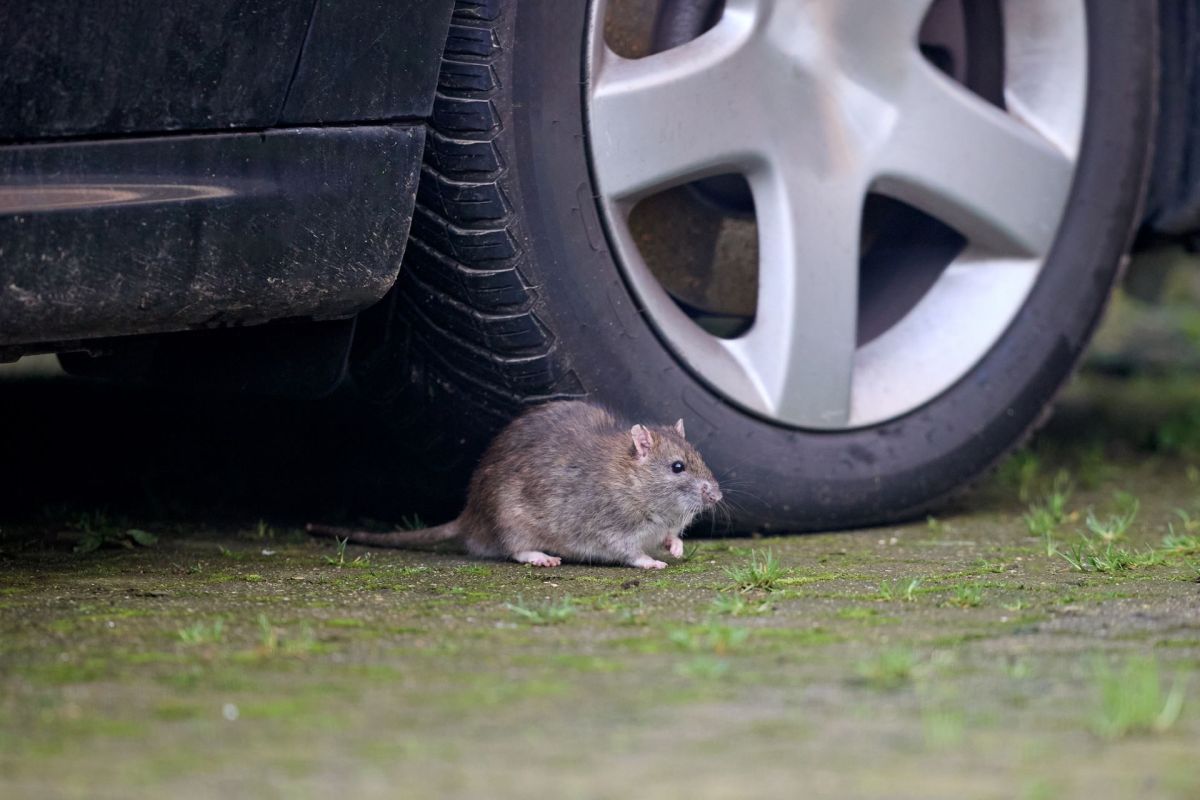
In Chelmsford, England, one garage took in five vehicles contaminated by rats in the span of two weeks, and the shop owner had tips on how to avoid future infestations.
Here's what to know
Owner Gary Wray said New Again, a Chelmsford workshop, has dealt with an "influx" of rat-related vehicle cases.
As BBC News reported, mechanics have been finding droppings and chewed wiring under the bonnet, while the company's rats-in-cars webpage has been getting roughly 10 times more visits as of late.
Wray said the animals themselves have usually disappeared by the time the car arrives, but the contamination they leave behind typically requires extensive cleaning.
"We just had an influx of vehicles with them in the cars," he said. "We've been doing it for many, many years; it usually happens at this time of year, particularly when the weather's changing, but it seems to be that there's a lot more this year."
Sam Pilgrim from the Chelmsford branch of East of England Pest Control said the colder weather is likely making vehicles more attractive to rats. Food left in the car and warmth from the engine bay can combine to make a parked vehicle a convenient place to shelter.
TCD Picks » Quince Spotlight
💡These best-sellers from Quince deliver affordable, sustainable luxury for all




He also said the health risk, while unlikely, is not zero if material from rodent urine and feces gets pulled through a car's ventilation system. Pilgrim cited illnesses including leptospirosis, which can cause blindness, and hantavirus, which can be life-threatening, though the U.K. Health Security Agency said the risk in the U.K. was very low.
More background
Pilgrim linked the issue to changes outside the city as well, saying rats are "all coming into towns and cities" after fields have been cultivated. In urban areas, he said, they can find food and warmth more easily than they can in open land.
Wray said staff are also coming across wires that have been gnawed under the bonnet, damage that can leave owners with expensive repairs as well as a pest problem. He also said rats look for "familiarity," which may be one reason some vehicles are infested more than once.
What can be done?
Wray said drivers should start by removing obvious attractions for rodents. That means not leaving food in the car and avoiding parking near bins, both of which can make a vehicle more tempting to scavenging rats.
He said an infestation should be treated as more than a surface-cleaning job. Cars need "decontaminating properly" after an incident, he said, because contamination can remain after the rats are gone.
Wray also said changing the way a car is parked may help break the pattern. If rats return to a vehicle they have targeted before, moving it elsewhere — or simply parking it the opposite way round — could help stop a repeat visit.
Pilgrim said prevention depends on the area around the car, not just the inside of it. Keeping driveways, gardens, and nearby shared spaces clean are as important as what is left in the vehicle itself.
Pilgrim said, "Pest control is basically 80% housekeeping, and that's not just your house; it's your driveway, your garden, the whole street. If that's kept all clean and tidy, you're preventing [infestations]."
Where can I learn more?
With rising rodent activity, it's becoming more difficult to keep the critters away.
• Near Lake Tahoe, residents pulled 150 rats from one flood-damaged rental home.
• In New York City, officials said rat sightings fell nearly 14% after bin changes.
• Cleaning experts have said strong smells can deter mice from settling inside homes.
• Health experts warned that food and shelter keep mice indoors and raise disease risks.

Get TCD's free newsletters for easy tips, smart advice, and a chance to earn $5,000 toward home upgrades. To see more stories like this one, change your Google preferences here.






