


A 40-year-old Egyptian man survived a snakebite so severe that doctors had to revive him and give him 60 doses of antivenom.
Here's what to know
According to Gulf News, citing Egyptian media reports and the Fayoum Health Directorate, Abdullah Abu Eisha reached Tamia Central Hospital unconscious, with no pulse and no spontaneous breathing. He had been bitten on the hand while working in a clover field in Fayoum, southwest of Cairo.
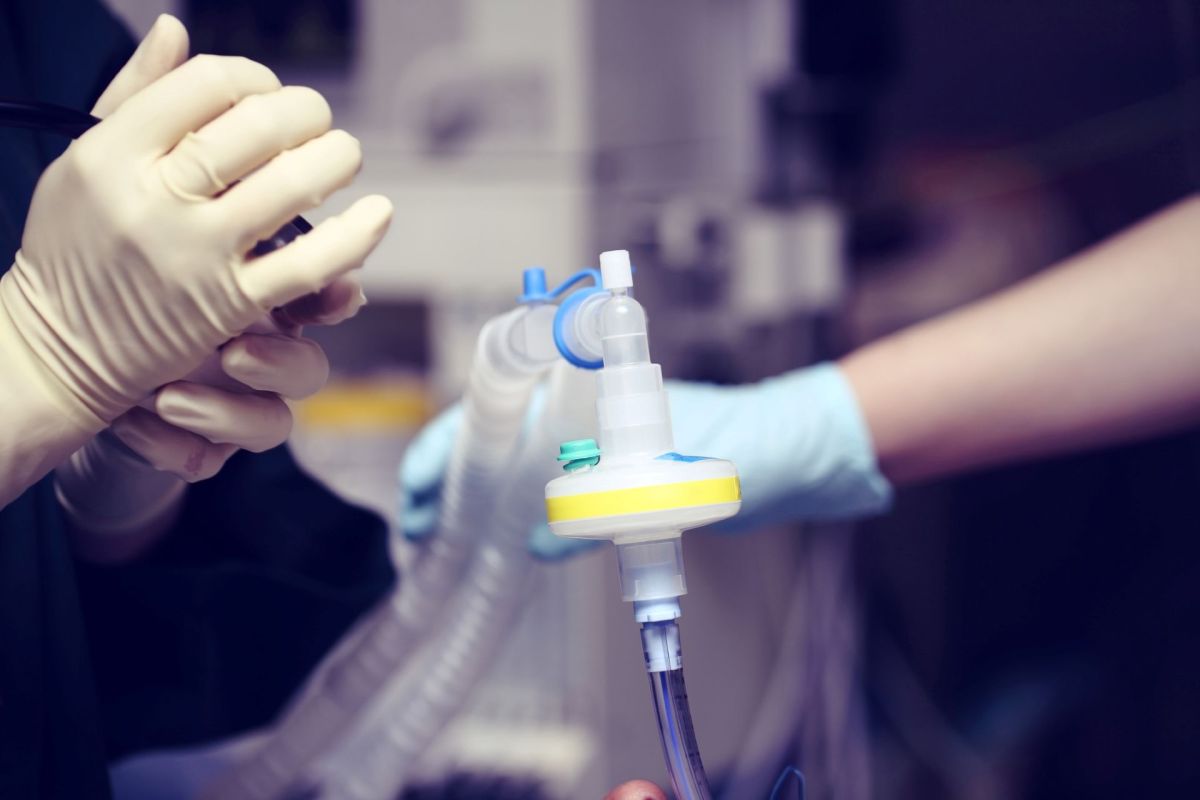
At the hospital, doctors first performed emergency resuscitation and then transferred him to intensive care. He was given 60 doses of antivenom and remained on a ventilator for three days while the team monitored the venom's effects.
Local reports said Abu Eisha was known for catching snakes. They also said he tried to seize the snake after the bite because he feared it might hurt someone else in the village, but his condition worsened quickly.
More background
Serious snake envenoming can escalate quickly, and Abu Eisha's collapse before he even reached the hospital shows how little time victims may have when a bite is severe.
In severe snake envenoming, antivenom is the main treatment, but Gulf News noted that the specific type and dose depend on the snake involved, the symptoms, and how the patient responds. In Abu Eisha's case, other local reports said poison-control guidance helped shape the treatment plan.
TCD Picks » Quince Spotlight
💡These best-sellers from Quince deliver affordable, sustainable luxury for all




His discharge from intensive care depended on rapid access to a well-equipped hospital, especially in a rural work setting where unexpected snake encounters can occur.
What can be done?
The case also underscores why chasing or catching a snake after a bite can increase risk and waste time, as Gulf News reported. Abu Eisha reportedly reached for the animal because he feared it might harm someone else, but that reaction can increase danger and delay treatment.
The World Health Organization has recommended keeping a victim as still as possible and getting them to medical care urgently. It also advised against cutting or sucking the wound to try to remove venom and said tight arterial tourniquets should not be used.
The WHO also advised against using ice. If done safely and without delaying treatment, a photo taken from a distance may help clinicians identify the snake.
Where can I learn more?
Severe snakebite cases aren't limited to Egypt, with increased human development bringing people closer to animal habitats.
• In Hurghada, Egypt, a resort performer suffered a fatal cobra bite during a hotel snake show.
• In Big Cypress, Florida, a National Preserve visitor was hospitalized after a venomous snakebite.
• Globally, warming temperatures could leave billions facing a rising snakebite threat as habitats shift.

Get TCD's free newsletters for easy tips, smart advice, and a chance to earn $5,000 toward home upgrades. To see more stories like this one, change your Google preferences here.






