


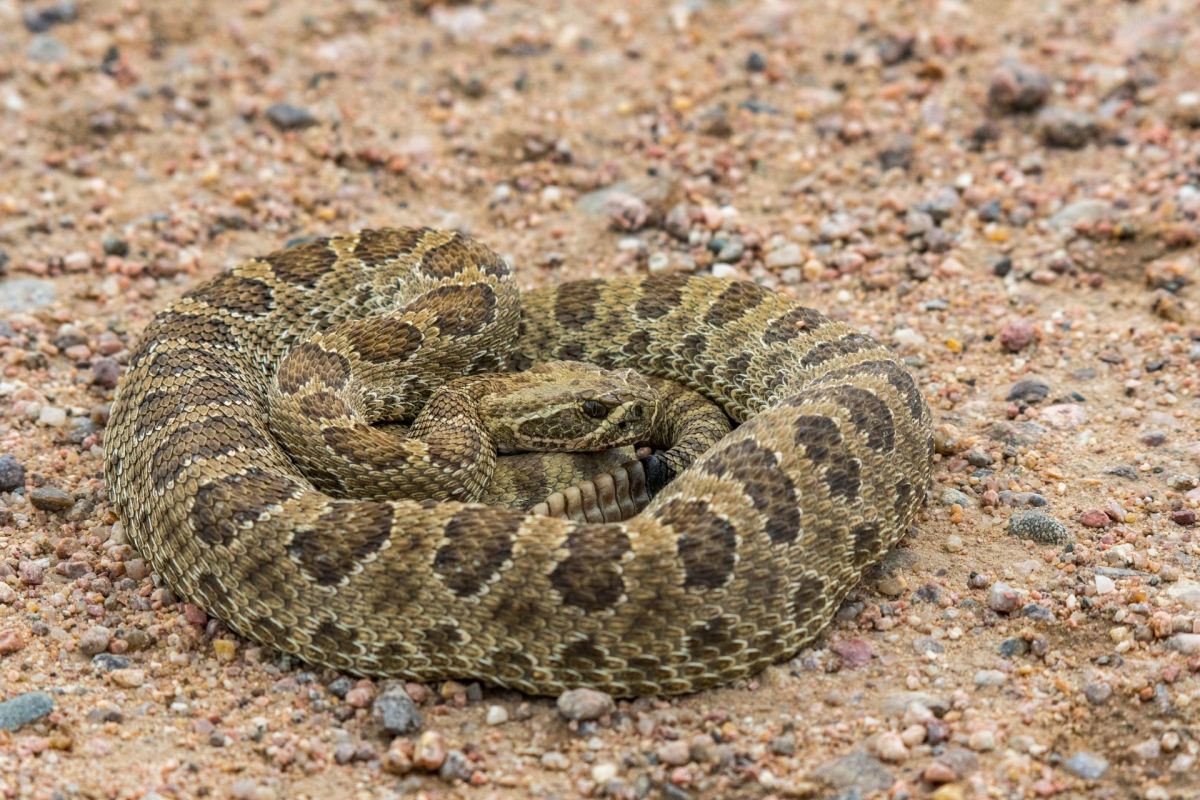
Lethbridge, Alberta, has hit a new high for snake removals, involving prairie rattlesnakes and bullsnakes, a nonvenomous species often mistaken for rattlesnakes.
The tally has reached 211 snakes removed from public property, and Ryan First Diver, the wrangler who takes most of the city's snake hotline calls, called it an "all-time record."
Here's what to know
According to CBC News, when snakes turn up on public land in Lethbridge, the city's long-running rattlesnake mitigation program moves them back to natural habitat — including den sites, wintering grounds, and birthing areas.
First Diver said the city has not previously responded to roughly 70% of the calls.
A typical year brings about 150 to 160 snake calls, according to Dave Henley, a senior bylaw officer with the City of Lethbridge. The removal total covers both harmless bullsnakes and venomous rattlesnakes.
The sightings are happening on public property people use every day to live, walk, and work. First Diver said residents have also begun warning each other online about snake locations and how to steer clear.
TCD Picks » Quince Spotlight
💡These best-sellers from Quince deliver affordable, sustainable luxury for all




More background
A record-setting removal count, however, does not automatically mean local rattlesnakes pose a greater threat.
As Stefano Liccioli, a senior species-at-risk biologist with Alberta Environment and Protected Areas, said, "The number of instances where people are bitten is very rare, and snakes do not strike aggressively."
He said bites usually happen when a rattlesnake is cornered or stepped on, so people moving through snake habitat can set off a defensive response.
Officials are also hearing about snakes in parts of Lethbridge where they had not been reported before. That could mean activity is increasing locally, or that a den in the area has not yet been identified.
Liccioli said Alberta has never recorded a fatal rattlesnake bite, but he added that avoiding unexpected run-ins depends in part on recognizing how effectively the animals blend into their surroundings.
What's being done?
Lethbridge already has a direct response system: a city-run hotline for residents concerned about a snake on public property. People can call 403-332-6806, and responders will relocate the animal.
Scientists are also trying to get a clearer picture of the broader population. Working with the city, Alberta Environment and Protected Areas has begun fitting some rattlesnakes with small transmitters so researchers can track their movements and identify dens.
Liccioli said Alberta has more than 100 known prairie rattlesnake dens, though it is still unclear how the population is doing as a whole. He said he expects "solid" data on population trends within five to 10 years, which could help determine whether conservation programs need to be adjusted or whether stronger protections are needed.
Where can I learn more?
The issue isn't unique to Lethbridge. These stories cover rattlesnake attacks, urban rescues, seasonal surges, climate-linked bite risks, and habitat shifts toward populated areas.
• In an Arizona town, officials warned residents after a fifth rattlesnake attack hospitalized another man.
• In Dhaka, Bangladesh, rescuers say venomous snakes sneak into human settlements as urbanization reshapes habitat.
• Researchers warn venomous snakes will increasingly move toward densely populated coastlines as habitats shift.

Get TCD's free newsletters for easy tips, smart advice, and a chance to earn $5,000 toward home upgrades. To see more stories like this one, change your Google preferences here.







