


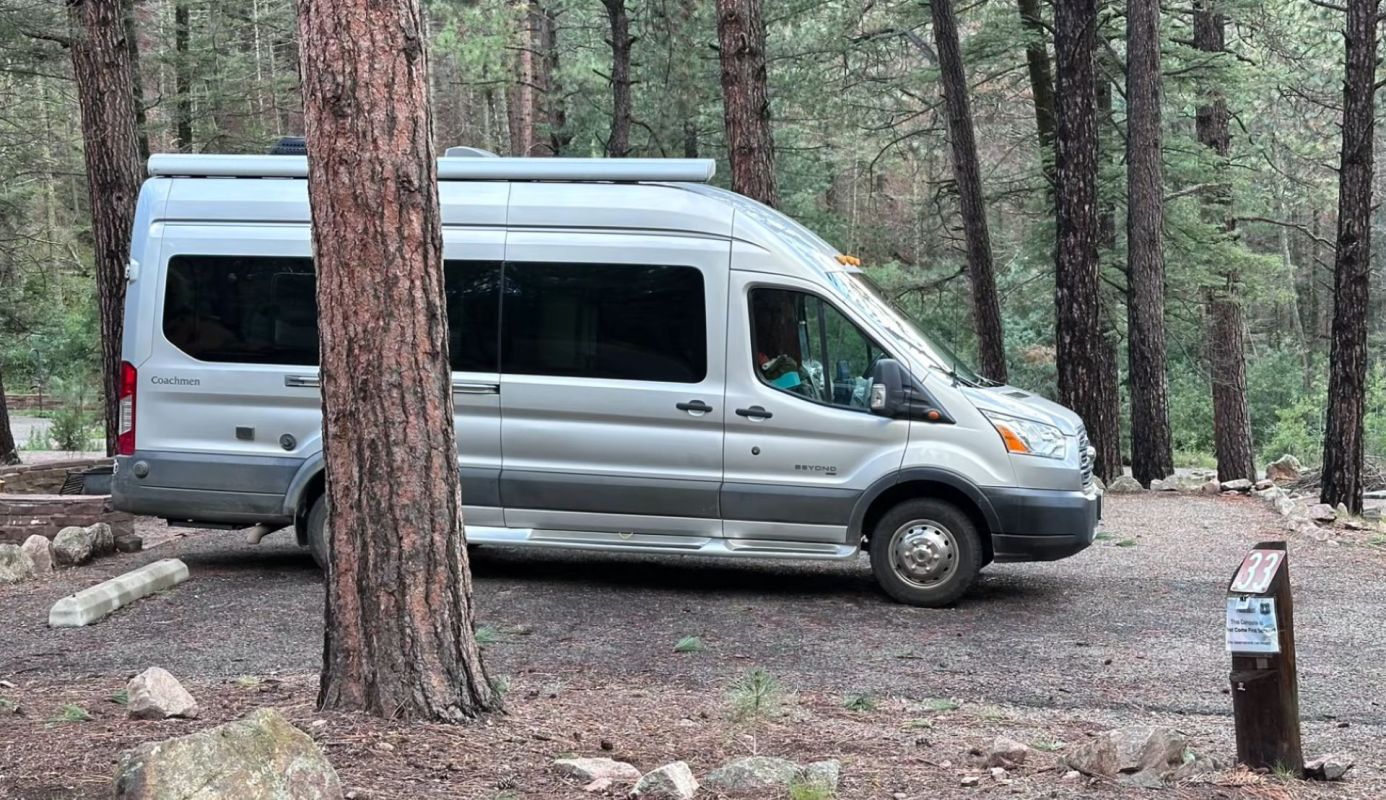
For some older adults, van life is becoming less a bucket-list adventure and more a housing backup plan.
Here's what to know
Pamela Madore (@Pam_VanLife) said in a YouTube video that many retirees she meets on the road arrived there after losing a spouse, ending a marriage, or being squeezed by the cost of maintaining a conventional home.
Madore began living in her van on Jan. 1, 2020, with plans to travel around the United States and visit national parks.
She said the money side of that lifestyle has shifted since Jan. 1, 2020, especially for retirees living on fixed incomes.
For example, she recounted hearing about a retired schoolteacher with Social Security, a pension, savings, and a house who still sold the home, bought a $20,000 RV, and returned to substitute teaching because the numbers still didn't work.
That, she said, raises a bigger question: Are more seniors living on the road for the lifestyle itself, or because standard housing is getting too expensive?
TCD Picks » Quince Spotlight
💡These best-sellers from Quince deliver affordable, sustainable luxury for all




To explain the pressure, she focused on what happens when a household goes from two incomes to one. In the video, she noted that when a spouse dies, "does that one bedroom apartment suddenly become half price? No."
More background
Throughout the video, van life is presented as both a personal choice and a financial adaptation.
Madore pushed back on the idea that living in a vehicle automatically means being homeless, saying, "I have just chosen a different kind of home. My home is on wheels."
She said that arrangement still involves ongoing costs such as licensing, insurance, and maintenance, even if it doesn't look like a typical apartment or house.
She also described a change after the housing market "went crazy," saying some people who might have wanted to leave the road could no longer afford to.
According to Madore, income from Social Security or pensions has not risen as quickly as housing, grocery, and gas costs.
Comments on the video echoed that idea.
One commenter wrote that after her husband died and while caring for her father in hospice, "It will be both choice and necessity."
Another commenter, 75, said she lives in subsidized senior housing, still works, and is considering moving into a van because she cannot afford both an apartment and a car payment.
What can be done?
The video points to a few ways retirees are responding.
For some, that means treating mobile living as an alternative to traditional housing rather than a temporary phase.
Madore also said she makes videos about free camping because many retirees "can't afford to always be staying in campgrounds."
Van or RV living may lower housing costs by reducing or eliminating monthly rent, though those savings come with trade-offs and ongoing vehicle expenses.
Other examples mentioned in the video and comments included part-time work and land ownership.
The retired teacher returned to substitute teaching, and another commenter said she bought land near the White Mountains, installed a septic tank, fence, and gate, and "save[s] money every month."
Madore said she plans to look at local housing with her daughter, who is a realtor, to see whether anything off the road is realistically within reach.
"This is the way of the world now," Madore said. "And maybe it's because of necessity, and maybe it is because of choice, and maybe now it's because of both."
Where can I learn more?
For more on how retirees and homeowners are trying to make the numbers work, these stories look at off-grid living and solar upgrades that can lower monthly bills.
• In Maine, more residents are living 'off the grid' to avoid oil and electricity costs.
• One elderly couple said their electric bill fell to four cents after solar.
• A homeowner nearing retirement said bill savings let her stay in the house.

Get TCD's free newsletters for easy tips, smart advice, and a chance to earn $5,000 toward home upgrades. To see more stories like this one, change your Google preferences here.






