


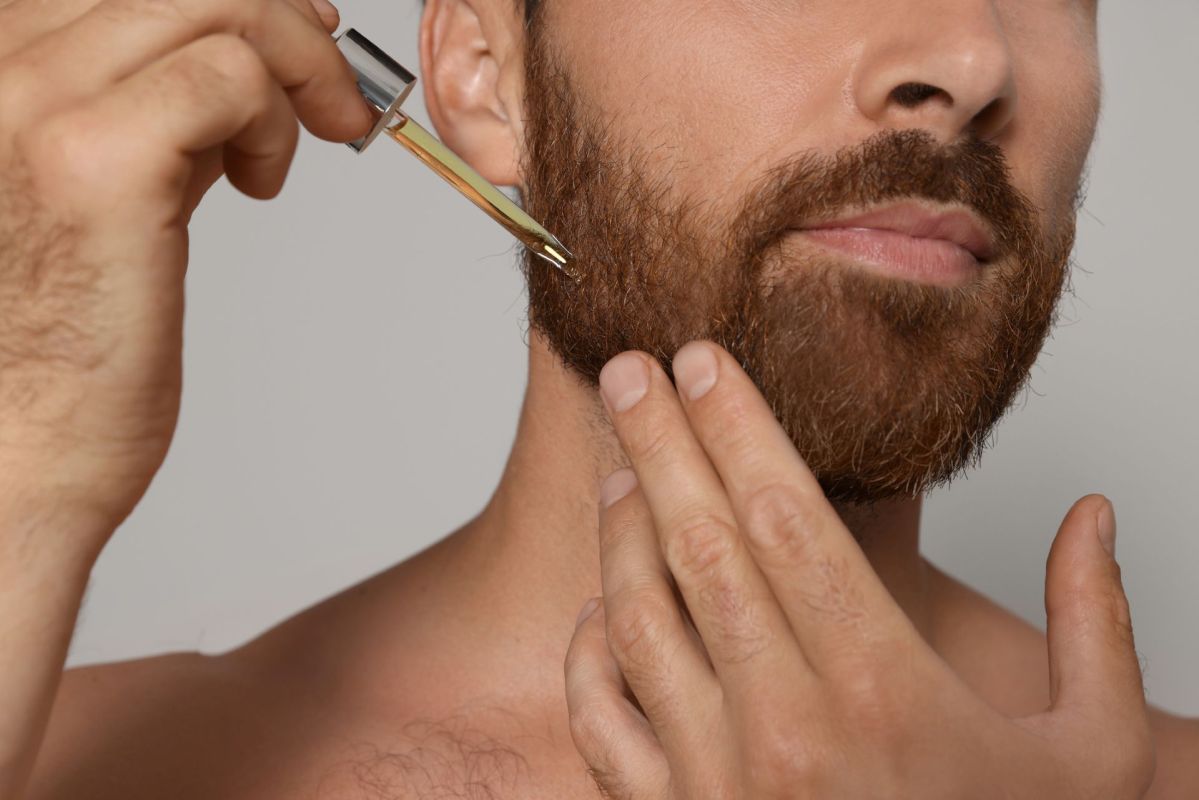
If you bought Dr. Squatch soap, deodorant, toothpaste, or other grooming products labeled "natural," you could be eligible for cash from a proposed $9 million settlement over claims that some ingredients were synthetic.
Here's what to know
The case centers on claims that Dr. Squatch marketed certain men's personal care products as natural, even though plaintiffs said some ingredients were synthetic. Dr. Squatch denied wrongdoing but agreed to a proposed settlement with a $9 million fund, according to Fox59.
The settlement includes every size, scent, and variation of 19 items labeled "natural" sold from Nov. 1, 2018, through Aug. 29, 2026. Those products include "Men's Natural Bar Soap, Men's Natural Cologne, Men's Natural Hand Sanitizer, Men's Natural Shampoo, Men's Natural Beard Oil, Men's Natural Cologne Oil, Men's Natural Hand Soap, Men's Natural Shave Butter, Men's Natural Beard Oil & Cologne, Men's Natural Conditioner, Men's Natural Lip Balm, Men's Natural Toothpaste, Men's Natural Lotion, Men's Natural Deodorant, Men's Natural Lotion to Powder, Men's Natural Wipes, Men's Natural Body Wash, Men's Natural Face Wash, and Men's Natural Post Shave."
How much a customer receives depends on proof of purchase. Consumers with receipts or other proof can claim 50 cents for each verified product, up to 20 products total, for a maximum of $10.
Without proof, the cap is five products, or $2.50. Combined claims can total up to $12.50, though the final payment may increase or decrease depending on how many valid claims are submitted.
More background
The allegations focused on ingredients including magnesium hydroxide and hydrogenated vegetable oil. Court documents described magnesium hydroxide as "an inorganic compound," according to the National Center for Biotechnology Information.
TCD Picks » Quince Spotlight
💡These best-sellers from Quince deliver affordable, sustainable luxury for all




"Natural" labeling can influence what people choose to buy, especially for products used on the skin every day. Shoppers may assume they are avoiding certain additives or paying for a cleaner formula.
The class period runs from 2018 to 2026, covering years of purchases across a broad range of products. That means even people who bought only one bar of soap or one tube of toothpaste could still qualify.
What can be done?
Consumers who think they qualify can file a claim online or print and mail a claim form. The process asks whether you received a settlement claim ID, where you bought the products, and whether you have proof of purchase.
The deadline to file a claim is Nov. 27, 2026. If a claim is approved, the company can pay by paper check or through digital methods such as PayPal, Zelle, and e-Mastercard.
The proposed settlement still requires final court approval, so even successful claims will not be paid immediately.
According to Fox59 and the settlement site, a final approval hearing is scheduled for March 2, 2027, and any objections during the process could delay payouts beyond that date.
Where can I learn more?
Questions over "natural" labeling often spill into broader concerns about greenwashing in personal care products. Here are a few stories on similar lawsuits, common labeling tactics, and proposed rules for beauty and hygiene products.
• Procter & Gamble faced a class action claiming Secret unscented deodorant contains fragrance despite label promises.
• In the beauty aisle, greenwashing has become rampant as clean-label branding outpaces clear standards.
• A branding expert demonstrated that companies can fool consumers with greenwashed packaging and vague claims.
• At Target, shoppers are learning how to spot greenwashing in everyday ads and labels.
• In Congress, lawmakers introduced a sweeping bill aimed at tightening beauty-product rules.

Get TCD's free newsletters for easy tips, smart advice, and a chance to earn $5,000 toward home upgrades. To see more stories like this one, change your Google preferences here.






