


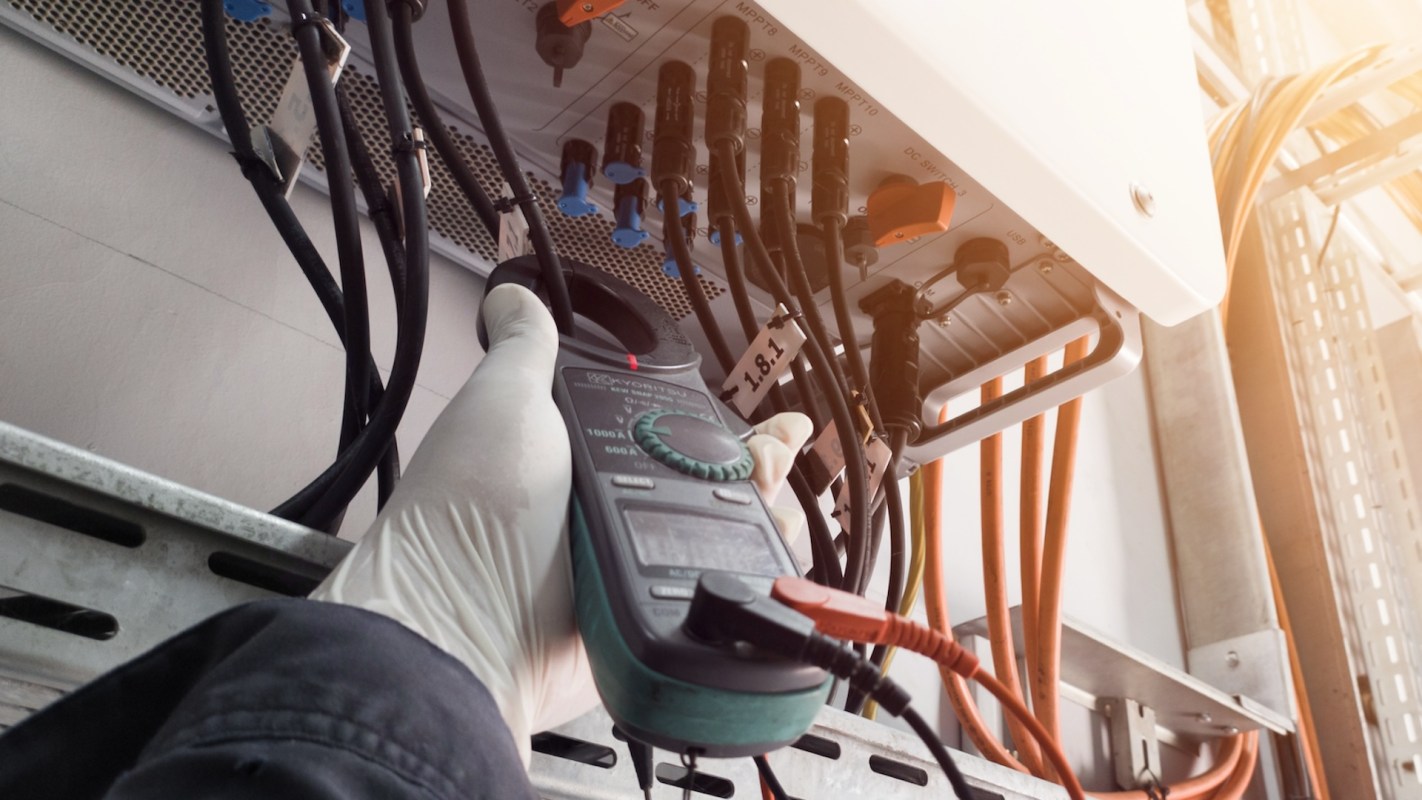
A South Dakota homeowner said a heavily equipped solar setup still generated 6.1 megawatt-hours in August, even with exports to the grid capped at 22 kilowatts. The same owner also said an earlier set of inverters failed in less than two months, and the issue was traced to the GridBOSS.
Here's what to know
According to a post on r/solar, the South Dakota installation includes 42 kW of solar, two EG4 FlexBOSS inverters, and 60 kWh of batteries, with total inverter output to the grid capped at 22kw.
The original poster wrote, "My first set of inverters didn't last two months, and it turned out to be the GridBOSS being the issue."
Despite that setback, the owner said the array still performed well in poor weather, adding that "on a very rainy and cloudy day I was able to produce over 50kw."
Going solar is one of the best ways to save money on home energy. Homeowners who want to compare equipment and installer pricing can try EnergySage to get free solar installation estimates and compare quotes.
More background
Even with exports capped at 22 kW, the poster said the array and battery setup generated 6.1 MWh in August. Storage capacity and overall system sizing can affect how much electricity a home uses directly and how much gets pushed back to the grid.
Battery-backed solar can give households more flexibility when weather shifts or grid conditions worsen. In this case, the original poster reports producing 50 kW during inclement weather, suggesting the system still delivered meaningful output under less-than-perfect conditions.
What can be done?
For homeowners looking to add solar and slash their energy bills, EnergySage can be a useful place to start. With EnergySage's help, the average person can save up to $10,000 on solar purchases and installations.
Save $10,000 on solar panels without even sharing your phone number Want to go solar but not sure who to trust? EnergySage has your back with free and transparent quotes from fully vetted providers that can help you save as much as $10k on installation. To get started, just answer a few questions about your home — no phone number required. Within a day or two, EnergySage will email you the best local options for your needs, and their expert advisers can help you compare quotes and pick a winner. |

EnergySage's solar map also shows the average cost of a home solar panel system by state, along with state-specific solar panel incentives; together, these resources can help homeowners get the best price for rooftop solar panels and access available incentives.
Adding battery storage to a solar setup is one of the best ways to protect your home during outages, save money on energy, and go off-grid. It can also help households manage output more strategically, much like this setup did with 60 kWh in storage and a 22 kW limit on grid exports. Homeowners can explore EnergySage for information about home battery storage options, including competitive installation estimates.
The owner indicated the export cap might not be permanent: "I may increase or even unthrottle at some point."
Where can I learn more?
For a broader look at how people are navigating solar output, storage, and grid exports, these stories offer a few useful examples. They cover net metering gains, blackout-ready home systems, changing incentives, and off-grid living.
More From EnergySage
💡Go deep on the latest news and trends shaping the residential solar landscape


• On Cape Cod, solar and net metering could leave one homeowner 4,100 kWh ahead.
• In Australia, a 20-kW solar setup made blackouts invisible and one month earned a $545 credit.
• In California, rooftop solar incentives plunge as sales drop and policy shifts reshape payback.
• In the Rocky Mountains, 1,000 watts of solar help power an off-grid family home.

Get TCD's free newsletters for easy tips, smart advice, and a chance to earn $5,000 toward home upgrades. To see more stories like this one, change your Google preferences here.






