


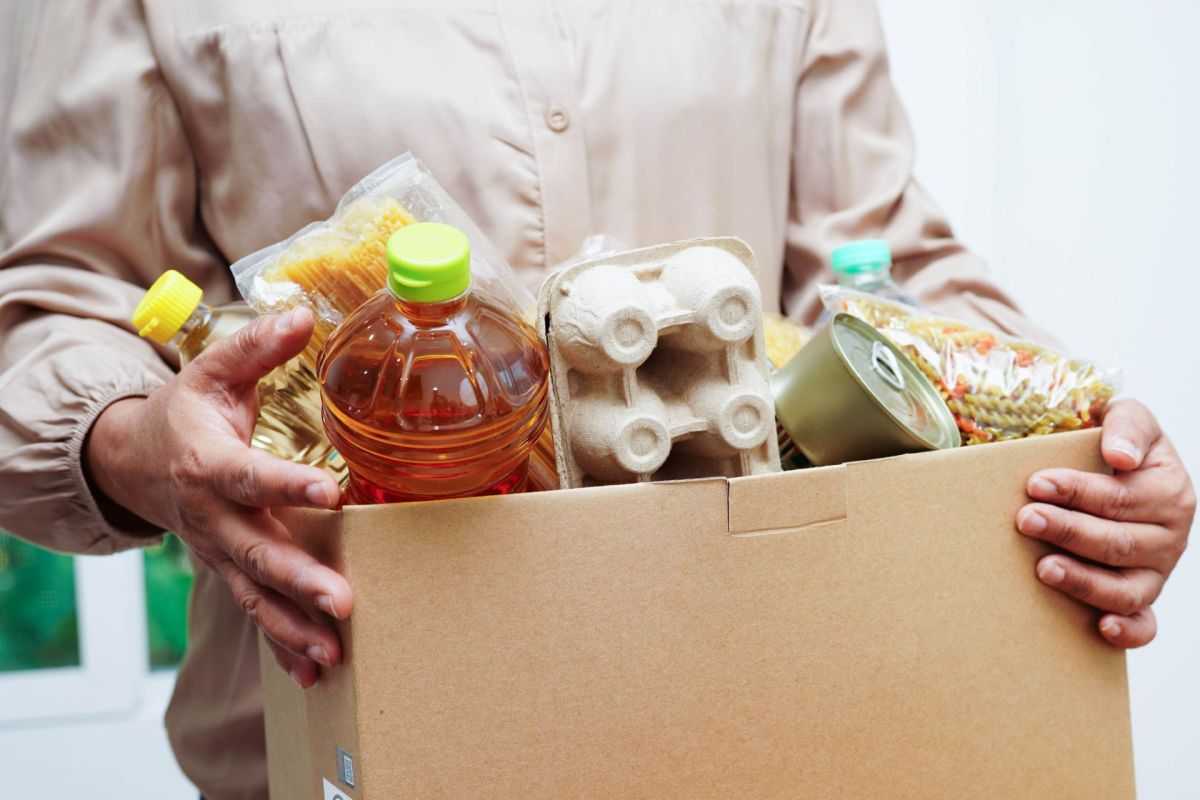
At the Greater Cleveland Food Bank, demand from adults over 60 rose 45% from 2019 to 2025.
Older adults across Cleveland and beyond are grappling with higher grocery prices, shrinking benefits, and mobility barriers.
Here's what to know
Jessica Morgan, chief programs officer at the food bank, told Signal Cleveland that many older residents are trying to get by on fixed incomes that no longer cover rising costs.
"If they only have so much resource in a month, yet their living expenses are increasing, we see older adults having to make really tough choices," Morgan told the local outlet.
Federal work rules are also pushing some older Cleveland residents off Supplemental Nutrition Assistance Program — or SNAP — benefits.
Catherine Gainey, a 64-year-old retired chef, was among nearly 14,000 Cuyahoga County residents who lost SNAP in the past year, according to Signal Cleveland.
TCD Picks » Quince Spotlight
💡These best-sellers from Quince deliver affordable, sustainable luxury for all




Gainey's solution to the new requirements that she work, go to school, or volunteer was to start cleaning, watering plants, doing laundry, and helping serve hot meals at Trinity Cathedral, within walking distance of her apartment.
The volunteer arrangement helps but is demanding — she must complete 20 hours each week and make extra trips to submit paperwork so her food assistance can stay in place.
More background
For many older adults, working to keep SNAP benefits hasn't solved the problem because they often cover only a small fraction of one's grocery bill anyway.
Mabel Messam, an 86-year-old Ohioan, receives a little over $20 a month, for example. Mary Morris, 71, gets $50, and Anna Washington, who is over 65, gets $26.
Nikki Williams, a social service coordinator at an apartment complex, told Signal Cleveland the tiny allotments are enough to dissuade some residents from even applying for them.
Food insecurity among older Americans is a concern playing out across the U.S. as more are losing access to SNAP. The One Big Beautiful Bill, passed in 2025, narrowed eligibility for the food assistance program and raised "the age at which recipients are fully excluded from work requirements," according to recent collaborative reporting from the Midwest Newsroom and Harvest Public Media.
Older Americans and their families are continuing to speak out about lost benefits. Last week, one Ohio resident shared on r/FoodStamps on Reddit that their "elderly disabled mom's SNAP just got reduced from $252 to only $76 a month."
What's being done?
Some seniors are bridging the gap with grocery benefits included in certain insurance plans.
At least seven seniors interviewed by Signal Cleveland receive more than $100 a month from insurers such as CareSource and United HealthCare, often through prepaid cards that can help cover food, utilities, or rent.
Becky Hayward, an outreach and education supervisor with Ohio's Senior Health Insurance Information Program, told the local outlet, however, that grocery spending cards are available only through some Medicare Advantage plans, and holders generally must qualify as chronically ill.
Where can I learn more?
Coverage from Georgia, Wisconsin, and beyond looks at rising grocery costs and community food pantry partnerships:
• In Georgia, food pantry costs have climbed as grocery prices push more families to seek help.
• In Wisconsin, a local pantry worked to close the loop with gardens and grocers.
• Around the world, food banks provided 1.7 billion meals in 2023 while keeping usable food out of landfills.

Get TCD's free newsletters for easy tips, smart advice, and a chance to earn $5,000 toward home upgrades. To see more stories like this one, change your Google preferences here.







