


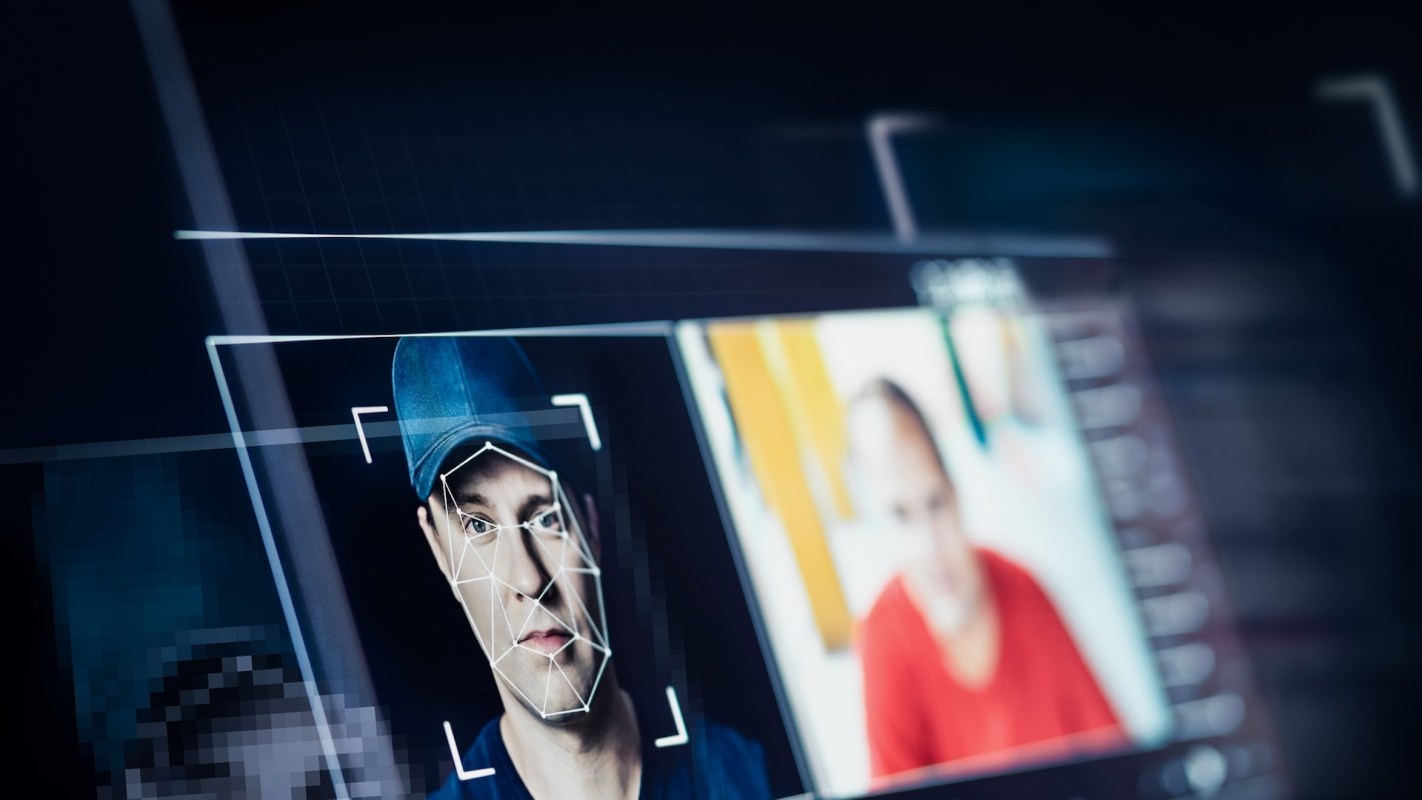
A former employee in England said she was stunned to discover that her old company had turned a still image of her into an artificial intelligence-altered advertisement, changing her eye color and removing her tattoos, after she had already left the job.
At the center of the story were questions of consent and artificial intelligence: not just the reuse of someone's work, but the digital remaking of a person's likeness without approval.
Here's what to know
In a Reddit post, the OP said she worked in social media for a brand and regularly made content featuring herself for both organic posts and paid campaigns. She said most of it was filmed at home on her own phone because the company did not supply equipment.
According to her account, she was made redundant after disclosing her pregnancy and after receiving a promotion. She said she is in early conciliation through ACAS because she believes the redundancy was pregnancy discrimination.
She said the image dispute emerged after her departure, when she spotted an ad that seemed to use a frame from a video she had created on the job. "The still is the same image; however, my eyes are a different colour and tattoos are gone," she said.
Replies in the thread warned that the law here may be more complicated than it looks. One user said, "The images you created for work most likely belong to your employer, irrespective of where it was taken, or how it was taken, or who owned the device."
TCD Picks » Quince Spotlight
💡These best-sellers from Quince deliver affordable, sustainable luxury for all




More background
The dispute was not just about ownership of workplace content, but also about whether a person can effectively be turned into a new marketing asset after leaving a job. For workers who create content from home and on personal devices, the boundaries around ownership and likeness can become blurry.
Several users treated the pregnancy-related employment dispute and the altered image complaint as separate legal questions.
One user said, "Keep the two issues (redundancy and use of personal image) separate."
What can be done?
One repeated suggestion was to review her contract and any internal policies for language covering image rights, intellectual property, AI use, or data sharing.
Some responses advised handling the employment claim separately from the image use issue. One user said, "I would suggest consulting with a solicitor and maybe having them write a cease and desist letter." The thread also suggested raising the image issue with ACAS.
People in the thread also listed legal help resources like ACAS and Citizens Advice, while stressing the need to preserve evidence. One user specifically advised keeping screenshots of the ad and the original image.
The former employee said she planned to continue seeking advice. "I will ask a lawyer about the cease and desist," she said, adding that she believed the company had shown "a pattern of behaviour and how they treat people."
Where can I learn more?
Similar questions about consent and AI-altered marketing have come up well beyond this former employee's complaint. Other cases have involved altered model photos, virtual fashion campaigns, and disputed promotional images.
• A model alleged crude AI-edited ads for a fast fashion retailer altered her face.
• Mango faced backlash after using AI-generated models in ads instead of hiring human talent.
• Kutztown University drew criticism when an AI-generated image appeared in admissions marketing materials.
• AI startup Artisan sparked outrage with a dystopian ad campaign that glorified replacing human workers.

Get TCD's free newsletters for easy tips, smart advice, and a chance to earn $5,000 toward home upgrades. To see more stories like this one, change your Google preferences here.






