


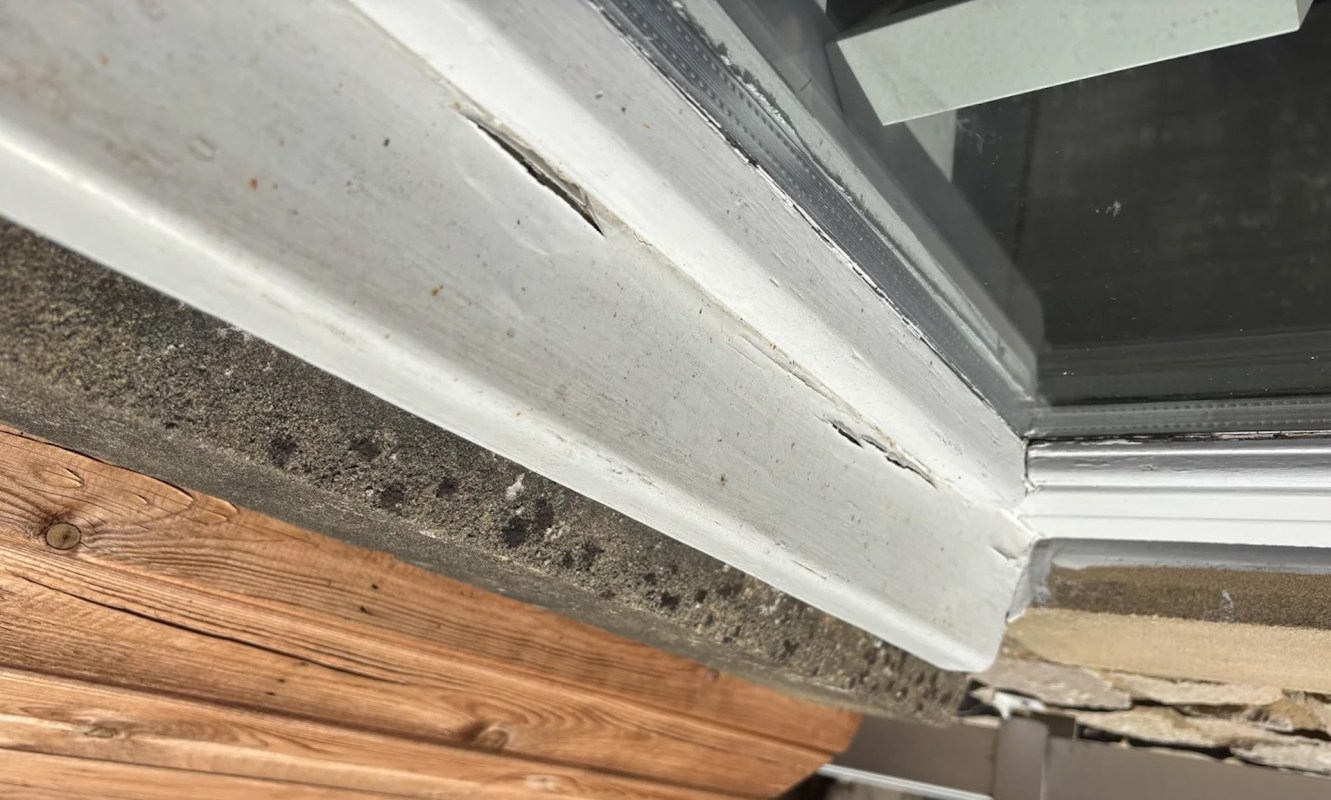
A U.K. homeowner who thought they had done everything right — sanding, priming, and repainting a worn wooden front window — was frustrated to see the finish already cracking just two years later.
Here's what to know
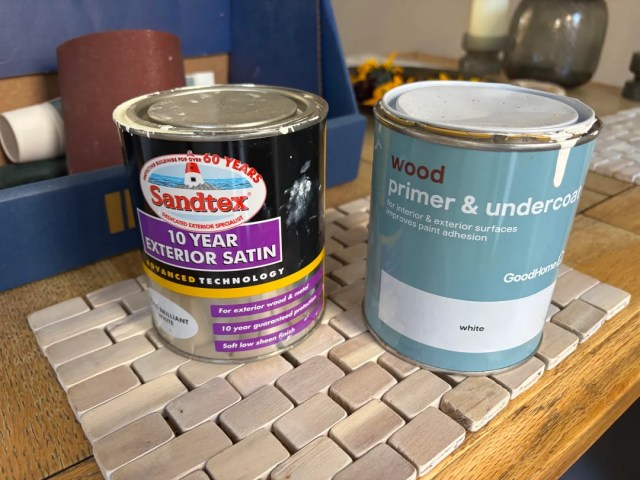
After buying the property, the poster said the front wooden windows already needed attention. They used two coats of primer and an exterior topcoat, but two years later the paint was cracking again.
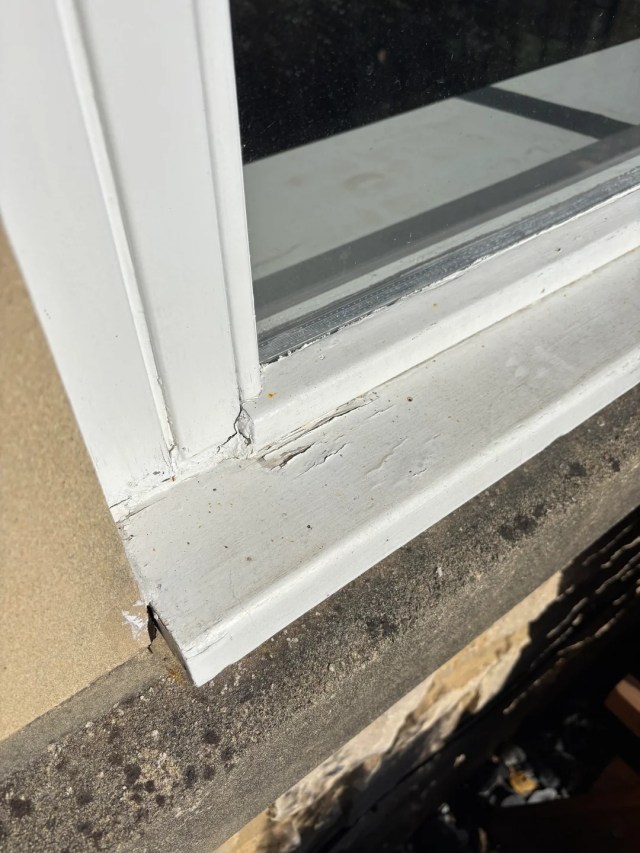
In replies to the original poster on the r/DIYUK Reddit forum, many people focused on how exposed the window is to the elements.
Several said the side of the house the window is on, in addition to the heat, can speed up wood movement and shorten the paint's life. One commenter noted the weather can play a part in the longevity of the project, saying, "paints aren't really designed for 30c+ , better off trying to use something that will flex more."
More background
A couple of users said the result was not unusual, with one writing, "This is normal !"
Some replies said the coating itself may have been part of the problem, not just the prep work. One commenter said "modern plastic paint just sit on top of the wood" and recommended a linseed-based option that absorbs into the surface rather than lifting when moisture gets in.
TCD Picks » Quince Spotlight
💡These best-sellers from Quince deliver affordable, sustainable luxury for all




A different commenter argued the issue came down to technique, writing, "You did not prep properly for the paint used. Sand, prime, sand, paint if using regular paint."
Others focused less on achieving a perfect finish and more on extending the life of the repair. A commenter who said they were recommended Dryflex by Repair Care said it is "pricey but if it gets you another 5 or so years or more of good paint surface then it's a result over the long term."
Some people also noted the familiar end point for many owners of aging timber windows. One commenter joked, "You paint them again and realise why everyone puts in plastic windows."
What can be done?
Commenters suggested using more flexible products, including Bedec MSP Soft White Satin, which one user said their window restorers used, and Sadolin Superdec, which another said "weathers down more gradually."
That commenter also said the idea with Sadolin is that "every 2-3 years you just wash down the windows give them a quick rub down and then recoat on top," instead of waiting for a more dramatic failure that requires a bigger intervention.
Repairing the surface before repainting was another theme. One commenter said they had watched professionals apply "a thin coat of resin filler over the whole surface," while another described pressing filler into the wood by hand before painting.
Another reply raised a simpler possibility and questioned whether the OP had cleaned before painting to prevent trapped dirt from compromising the paint.
The original poster shared the next step they were taking, saying, "Thanks for all the advice everyone. I've gone and bought some Bedec MSP and will try again with that."
Where can I learn more?
Heat and sun exposure came up repeatedly in the discussion around the failing window paint. Here are a few stories about coatings and paint ideas designed to keep exterior surfaces cooler or withstand harsh sun.
• In Singapore, scientists tested cool paint coatings on buildings and saw lower indoor heat.
• At Stanford, engineers created colorful reflective paints that bounced heat away from buildings.
• In Los Angeles, the Cool Community Project used solar reflective paint to lower surface temperatures.

Get TCD's free newsletters for easy tips, smart advice, and a chance to earn $5,000 toward home upgrades. To see more stories like this one, change your Google preferences here.






