


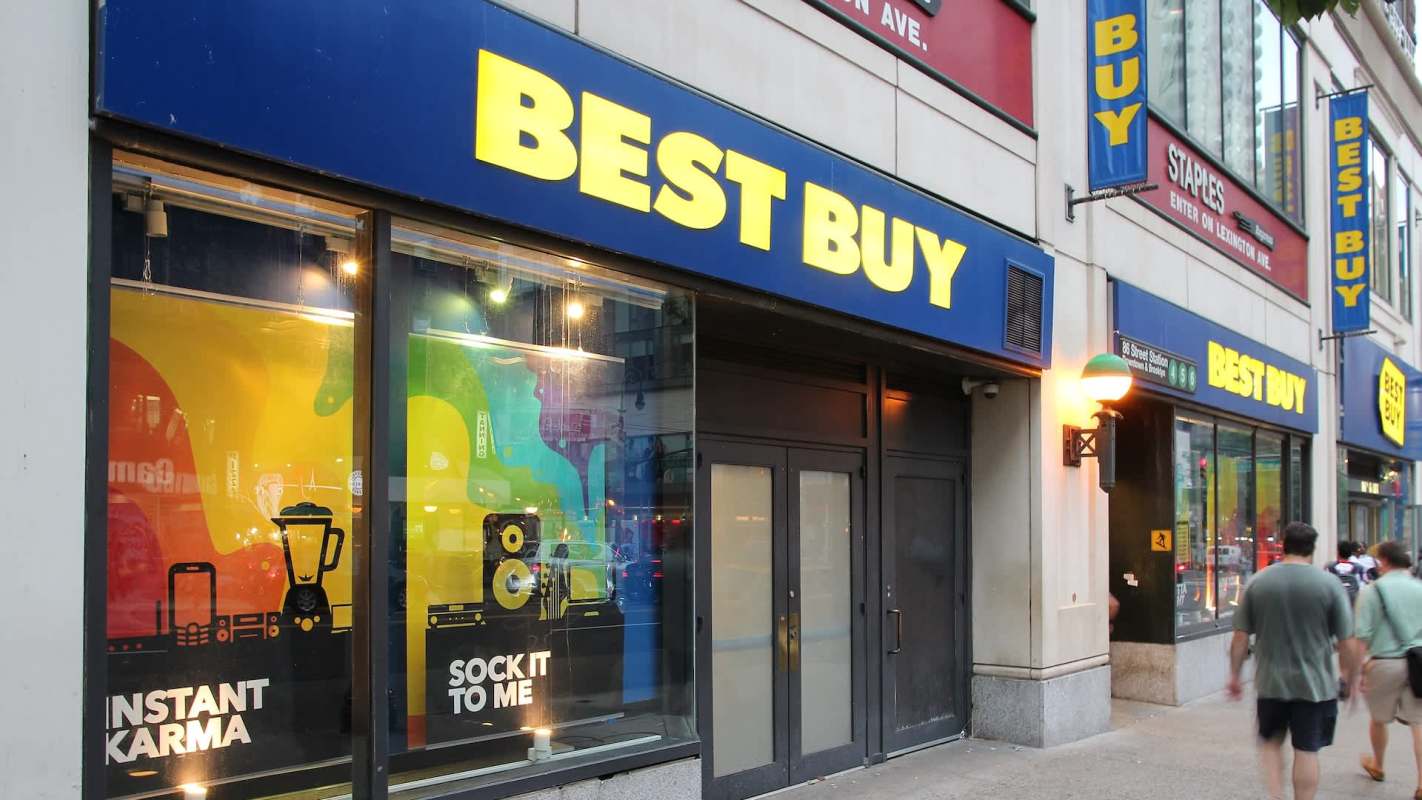
Buying a replacement keyboard should be a simple errand. But for one Best Buy customer, the trip became a reminder of how quickly a basic purchase can turn into a string of upsells, data collection, and follow-up marketing.
Here's what to know
According to a post on Reddit's r/Anticonsumption forum, a shopper who went in for a replacement keyboard said the transaction included four separate prompts at checkout: insurance coverage, a charity donation, a Citi Best Buy credit card, and a request to download the store's app.
They said the follow-up started almost immediately. Within 24 hours, the shopper received five emails asking them to review the visit and suggesting other products they might want. Their conclusion was blunt: "I. Hate. It. Here."
At least one reply suggested store workers are not thrilled with the process either. "Yeah the employees kind of hate it too," one commenter wrote.
A commenter who works at a furniture retailer argued the problem extends beyond one chain. They said Best Buy is even used in training as a warning sign of how bad this approach can get, "We literally use Best Buy as an example in training because it's so prolifically bad about this." They also said shoppers have been conditioned by so much spam-like outreach that they can mistake legitimate customer service messages for bots.
More background
When every routine purchase becomes part of a sales funnel, it can feel less like customer service and more like pressure to spend more while handing over more personal information.
TCD Picks » Quince Spotlight
💡These best-sellers from Quince deliver affordable, sustainable luxury for all




For some shoppers, that pressure changes what they are willing to share. One commenter wrote, "I stopped giving my email or phone number to any company when buying in person. Unless the discount is 50% on a thousand dollar item, it just isn't worth the headache of the emails and data tracking that happens."
The furniture-retailer commenter pointed to the same broader trust problem, saying people are now "so used to being spammed by bots that we can't even tell when a real human is reaching out to provide simple customer service."
What can be done?
Commenters also shared a few ways shoppers can avoid some of these checkout frustrations.
Some replies focused on avoiding the counter interaction altogether. One suggested that "Pickup or self checkout with your phone will cut all that out," while another kept it even simpler, saying, "I just do pickup. Scan, bag, go."
Others recommended sharing less personal information. One commenter said they no longer give out their email or phone number when buying in person, while another suggested using a second email address or Google Voice when contact information is required.
For small electronics like keyboards, secondhand options may offer another way around the sales gauntlet while keeping usable gear in circulation longer. As one commenter put it, "Thrift stores for keyboards!"
Where can I learn more?
These articles dig into the same mix of tech shopping, corporate pressure, and consumer frustration. They cover everything from wasteful packaging, inflated prices, manipulative branding, and frustrating store policies.
• An HP customer opened excessive packaging sent by the printer company and left disappointed.
• Shoppers accused major brands of using a tactic to brainwash consumers into overbuying.
• A Lowe's shopper hit a 'ridiculous' policy that blocked a discounted in-store buy.

Get TCD's free newsletters for easy tips, smart advice, and a chance to earn $5,000 toward home upgrades. To see more stories like this one, change your Google preferences here.






