


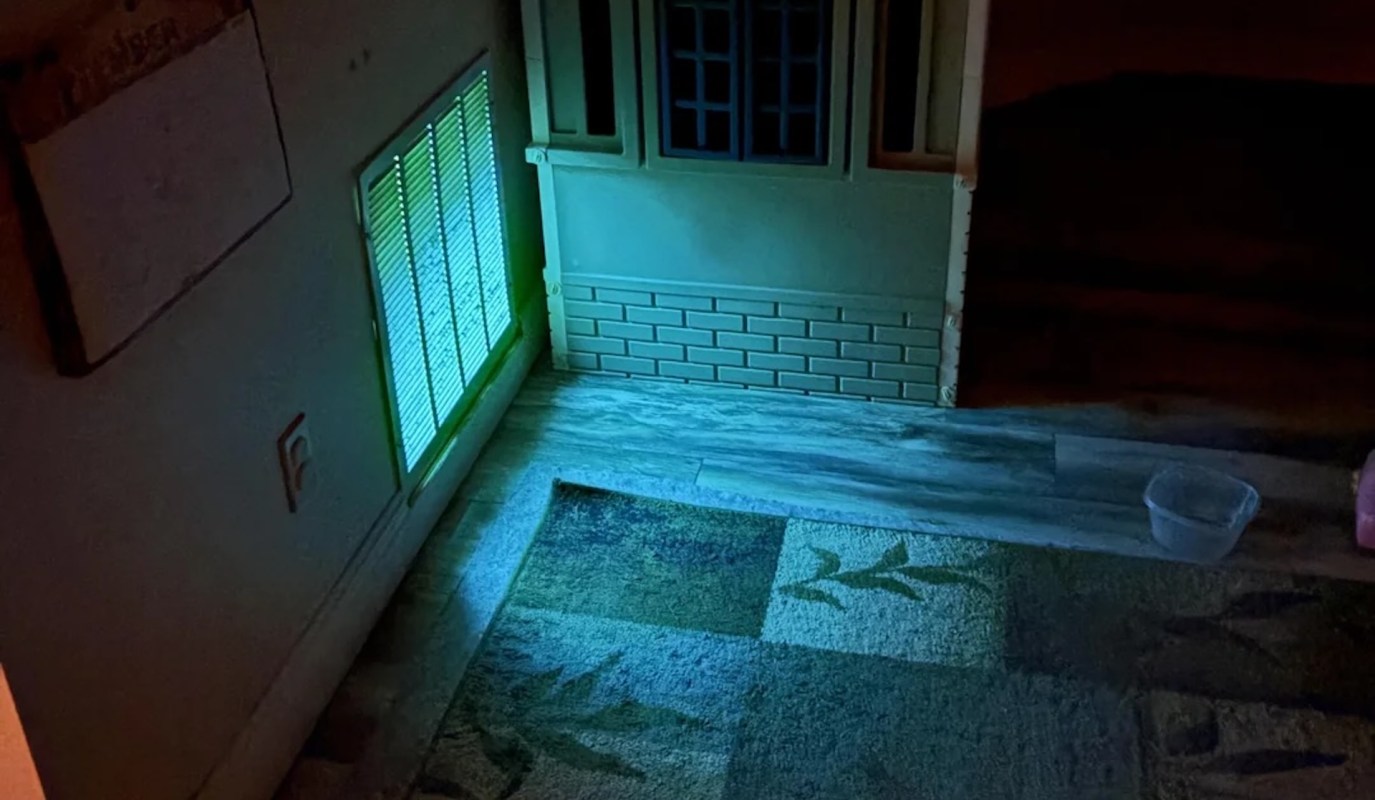
A UV light can seem like a routine HVAC add-on, but if its glow shows through an air intake, a homeowner may reasonably wonder whether the system is improving air quality or revealing an installation problem.
That question came up in a Reddit post where the original poster had UV lights installed in his HVAC system to clean the air during his annual inspection.
Later, after seeing the intake at night, the original poster added, "Once it gets dark it looks like this," and joked, "I'm afraid to get close to the air intake cause I might get beamed into the alien mothership."
Here's what to know
Commenters in the discussion on Reddit's r/hvacadvice largely agreed that a UV light shining visibly into the room was not typical and could signal a safety issue.
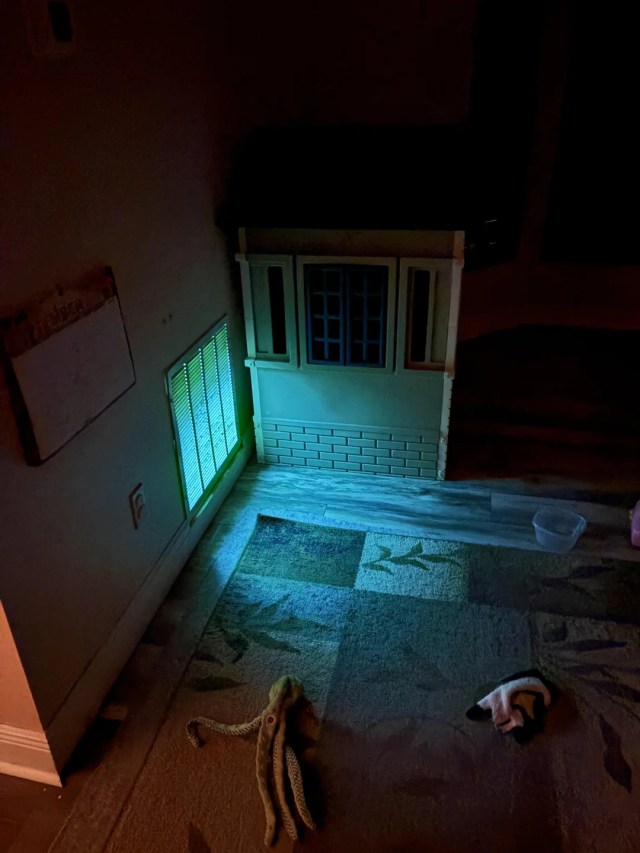
One reply framed the risk directly: "That actually isn't good- that light means you could be exposed to the uv bulb which is not intended for direct viewing or exposure. It can cause burns on your cornea or skin damage. These should be placed in the ductwork in a fashion where the uv is not exposed to people."
Whether HVAC UV lights are useful depends heavily on where they are installed. If the light reaches occupied space instead of staying confined to the area where it is meant to work, the setup may be less effective— and it could also create separate risks inside the home.
TCD Picks » Quince Spotlight
💡These best-sellers from Quince deliver affordable, sustainable luxury for all




Another commenter urged the homeowner to address the matter with the installers, "Show this to the company that installed it ND have them install it properly in a better location."
More background
Beyond direct exposure, people in the thread also pointed to another consequence of UV light escaping near the vent: accelerated wear on surrounding materials, including parts of the HVAC system.
Two commenters described that possibility in practical terms: "It will probably speed up the degrading of anything in that area too - plastic, anything with colors, the carpet or rug." Another added, "That will eat the filters really quick."
If the installation is poorly positioned, the result could be faster filter replacement and more rapid deterioration of plastics, rugs, or other nearby items exposed to the light.
One commenter who said they had encountered a similar arrangement at work wrote that the filter media became so fragile under direct UV exposure that "Just touch the filter with your finger and it pokes right through like the media isn't even there. Completely useless if you just end up breathing in the filter media."
What can be done?
Based on the advice in the thread, one practical next step is for the homeowner to contact the installer, document the visible light, and ask them to check the unit and move it if needed.
Commenters said that approach could lower the risk of eye or skin exposure while also helping avoid premature wear to filters and nearby materials.
One commenter also noted that the setup appeared to be close to children's items, writing: "The UV light should not be getting in contact with anything that's not intended. The surfaces will bleach over time. Also looks like that's near some kids play stuff. Definitely not safe. Especially for the reflected light and your eyes. Definitely have this fixed."
Where can I learn more?
If this question has you thinking more broadly about home air quality and HVAC safety, these stories cover furnace carbon monoxide risks, questionable AC gadgets, vent habits, indoor air monitors, and emerging HVAC technology.
• A homeowner near a new furnace found 180 ppm is too high after smelling gas.
• Scientists unveiled a breakthrough device that could replace conventional refrigerant-based HVAC systems.
• Homeowners used air quality monitors to spot indoor pollution and cut energy waste.

Get TCD's free newsletters for easy tips, smart advice, and a chance to earn $5,000 toward home upgrades. To see more stories like this one, change your Google preferences here.






