


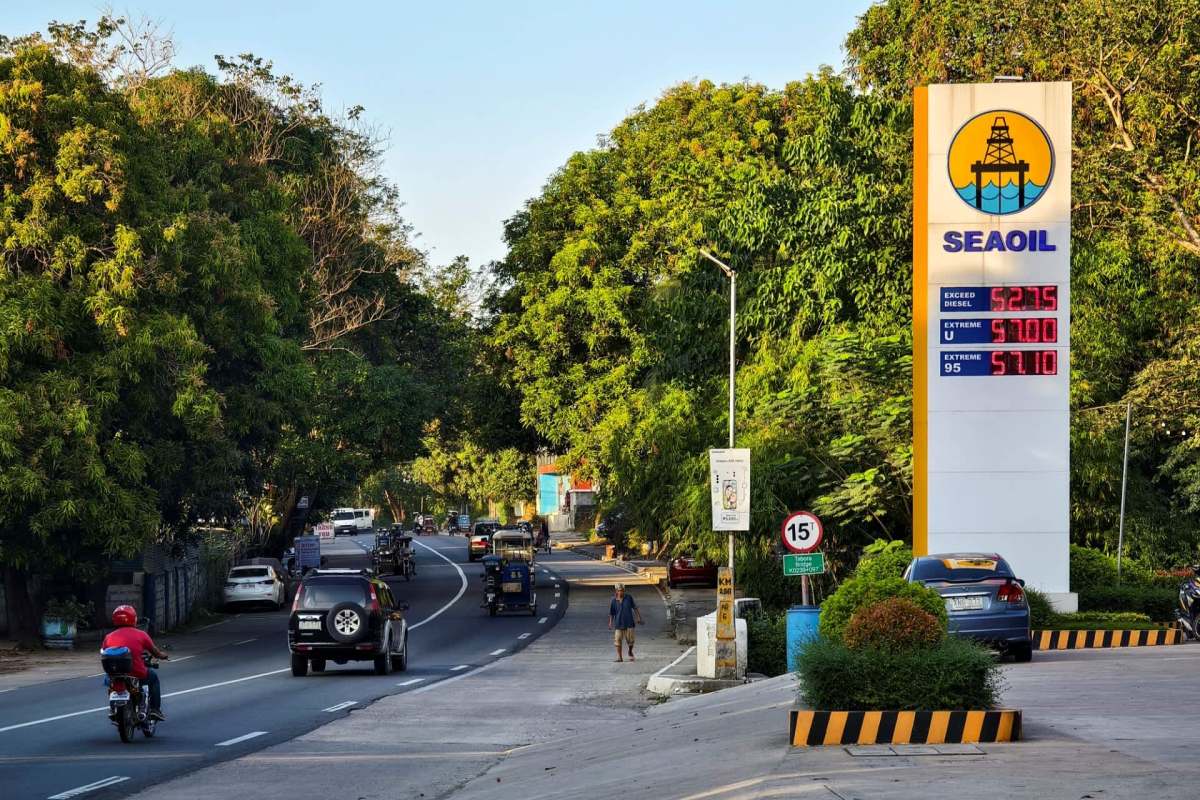
Philippine car buyers are increasingly looking beyond gasoline-powered models as fuel costs climb.
The country is experiencing a surge in hybrid and electric vehicles amid the broader context of a receptive government and strong consumer demand.
Here's what to know
Hybrids and EVs are nearing one in four passenger car sales in the Philippines, according to Reuters, and doubling year-over-year in 2026. The growth comes as petrol prices rose over 68% after the U.S.-Israeli strikes on Iran, per data from Global Petrol Prices.
Patrick Aquino, who heads the energy ministry's Energy Utilization Management Bureau, told Reuters that in the eight months leading up to September of this year, registrations of EVs, including hybrids, topped 67,000, up some 130% from the same period in 2025.
Aquino told the outlet that rising fuel costs have been pushing Philippine consumers toward alternatives, even while the continued popularity of conventional motorcycles and jeepneys in the region has kept overall petrol demand high.
"Demand was through the roof," he added. "So you had to place an order, make a deposit, and wait for your units to arrive."
TCD Picks » Quince Spotlight
💡These best-sellers from Quince deliver affordable, sustainable luxury for all




Reuters reported that, based on EV charging company ACMobility's internal calculations, the share of EV sales was up sharply from 12% in 2025 and 4% in 2024.
More background
Because the Philippines depends on imported fuel, has limited public transportation, and does not offer fuel subsidies, petrol price spikes have been especially painful for residents. That leaves commuters highly exposed to swings in the global oil market — and highly motivated to engage solutions.
Still, industry lobbying can slow cleaner, more affordable energy solutions that would better protect public health and lower costs.
The extraction, production, and burning of fossil fuels can intensify extreme weather disasters that destroy homes, livelihoods, and local economies, while air and water pollution linked to the industry contributes to asthma, heart disease, cancer, and premature death.
What's being done?
By 2030, officials want EVs to make up 50% of the country's taxi fleet and of the cars used by government officials, Aquino told Reuters.
The energy ministry is also seeking to extend duty-free EV imports beyond the current planned expiration in 2028. If approved, the move could help keep vehicle prices more competitive.
Aquino said that there are new options on the electric motorcycle front that could help change things too.
"Companies like VinFast coming in at a price point at less than 100,000 PHP [$1,594.21] will make it a more viable option," he told Reuters.
Where can I learn more?
Rising fuel costs and government policy are reshaping car buying well beyond the Philippines:
• Rising fuel costs are fueling pump anxiety as more motorists reconsider gas cars.
• New registrations in Norway show gas models being taxed out of business by policy.

Get TCD's free newsletters for easy tips, smart advice, and a chance to earn $5,000 toward home upgrades. To see more stories like this one, change your Google preferences here.






