


Budget retailer PD Mart, formerly known as Panda Mart, is facing court action in Aotearoa New Zealand over allegations that it repeatedly sold noncompliant products while marketing itself on very low prices.
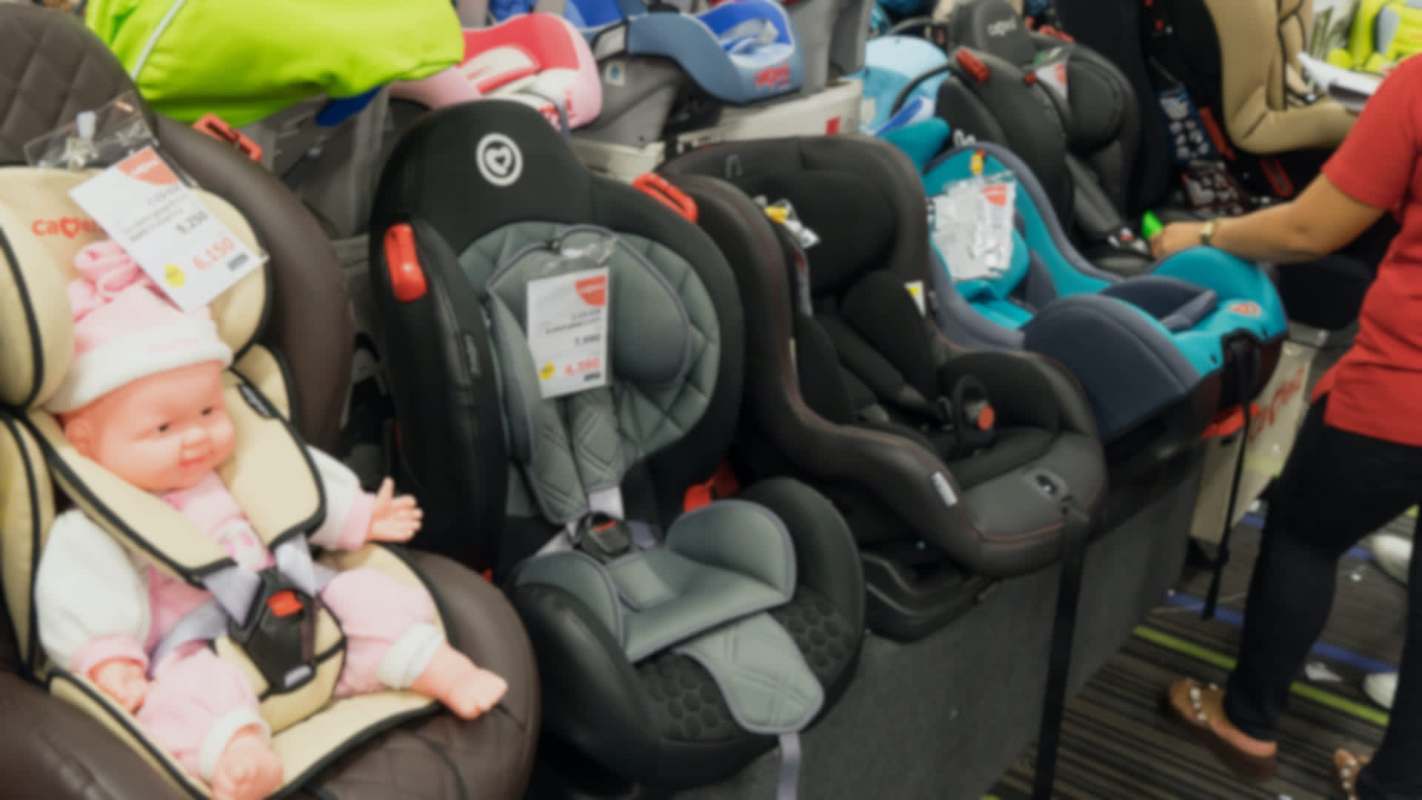
The most serious claims involve children's products, including car seats that were allegedly marketed as meeting an international safety standard when they did not.
Here's what to know
According to 1News, the Commerce Commission has filed court action against PD Mart, previously known as Panda Mart, alleging it repeatedly sold 57 products that failed to meet requirements, including toys and baby walkers. It also alleged that seven types of children's car seats were misrepresented as complying with an international safety standard.
The retailer describes itself online as a "budget Chinese shopping mall" offering 50,000 products at low prices. It operates two 64,600-square-foot stores, one in Pakuranga, Auckland, and the other in Belfast, Christchurch.
Rebecca McAtamney, the Commerce Commission's general manager of competition and fair trading, said retailers must follow safety rules regardless of how cheaply they sell goods.
"Regardless of what something costs or what shop you buy it from, businesses must comply with the New Zealand product safety requirements that apply to the goods they sell," McAtamney said.
TCD Picks » Quince Spotlight
💡These best-sellers from Quince deliver affordable, sustainable luxury for all




According to the commission, investigators began visiting PD Mart stores in October 2024 and allegedly found noncompliant goods on multiple occasions. The commission said its concerns "did not arise from a single visit or isolated incident."
More background
With stores in Auckland and Christchurch and a business model built around low prices, the retailer could sell the products to many families.
The investigation also led PD Mart to recall and remove other items considered potentially unsafe, including children's toys, baby rattles, bicycles, and baby walkers.
What's being done?
The Commerce Commission has escalated the matter from an investigation to court action over alleged repeated breaches.
Court action followed earlier intervention by the regulator. In September 2025, the commission sent PD Mart a "stop now" letter over safety concerns tied to children's car seats, which prompted a recall of all car seats identified by the commission and refunds for affected customers.
The Ministry of Business, Innovation and Employment said the recall affected 176 car seat units sold across seven models.
McAtamney explained, "In this case, selling products that don't meet those standards puts New Zealand consumers, particularly young children, at risk."
"Consumers have rights when they buy products in New Zealand, and businesses need to understand those rights and meet their obligations," he continued. "They have a responsibility to comply with the law and invest adequately in the systems, processes, and staff training needed to meet their legal obligations."
Where can I learn more?
For more on how regulators and shoppers are responding to product-safety and marketing concerns, these stories add context. They cover nicotine pouch restrictions in Canada, greenwashing crackdowns in the U.S. and Europe, fashion waste driven by social media, sustainability-messaging criticism, and backlash over plastic-wrapped reusable bags.
• In Canada, officials weighed restrictions on nicotine pouches amid concerns over youth access.
• Across the U.S. and Europe, regulators are pushing harder rules on greenwashing claims.
• Fashion brands faced scrutiny as social media fueled wasteful buying among younger shoppers.
• Sporty & Rich drew criticism after its sustainability messaging unraveled against fast-fashion comparisons.
• At a grocery store, plastic-wrapped reusable bags prompted backlash over a zero-waste display.

Get TCD's free newsletters for easy tips, smart advice, and a chance to earn $5,000 toward home upgrades. To see more stories like this one, change your Google preferences here.






