


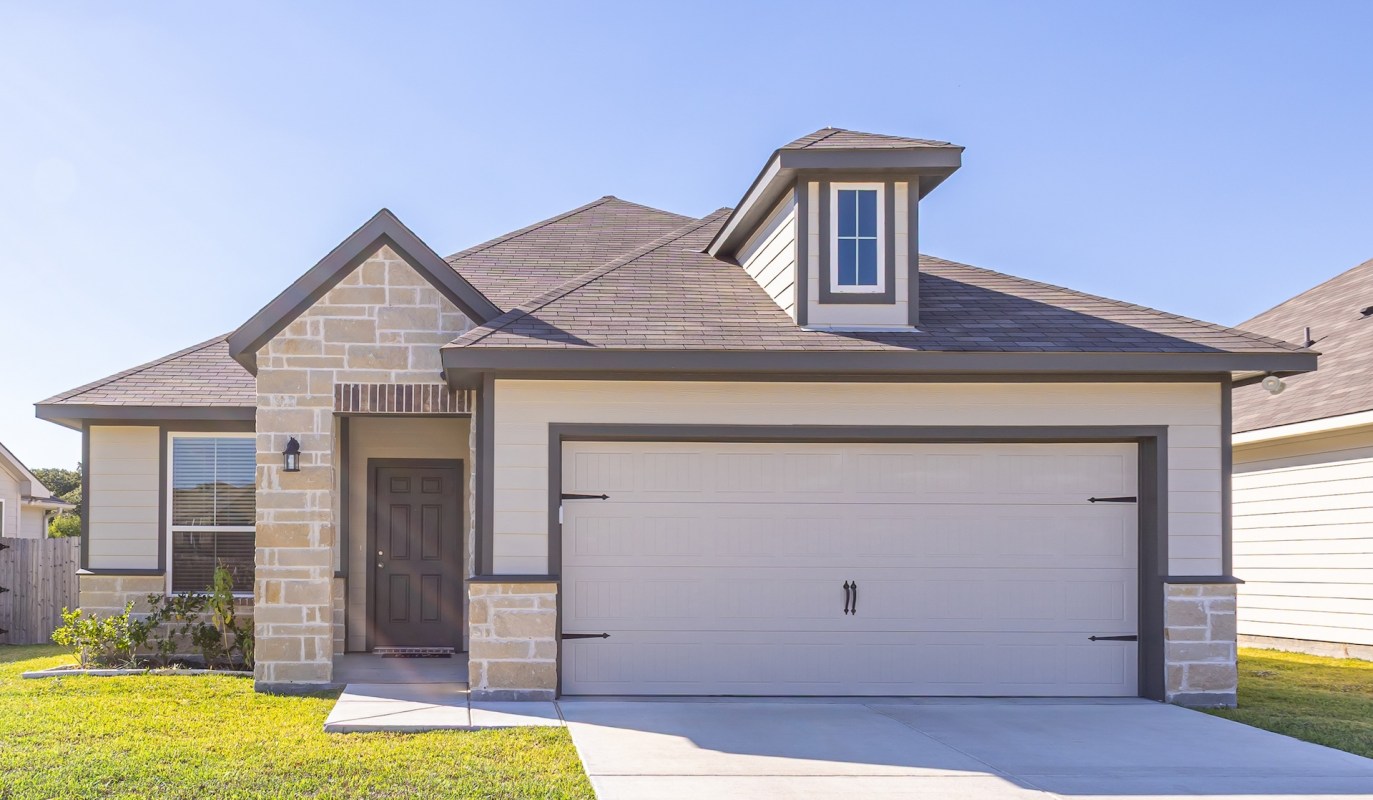
Homeownership was within reach on paper for a 31-year-old Texas renter making $80,000 to $95,000 a year, but Reddit users said the decision hinged on more than qualifying for a mortgage. With rent at only $500 near her job, buying a $250,000 to $280,000 house would also mean a 45-minute commute, not to mention the extra expenses that come with owning.
Here's what to know
Her Reddit post laid out why the choice felt complicated. She said she has already built a 20% down payment and still saves $2,500 to $3,000 a month after expenses, yet she asked: "I dont know, should I buy a house or not?"
The sticking point was the location. Homes in the $250,000 - $280,000 range would likely mean a long commute to work.
One response said the better starting point was not price but purpose. "You shouldn't buy just because you can. It should make sense in your 5-15 year life plan." The commenter said that question should include whether her job might change, whether she could end up in another city within five years, and how costly it can be to sell.
Another commenter argued that her current setup is hard to improve on, saying: "$500 rent and a short commute is basically a cheat code." From that perspective, continuing to rent was not "throwing money away" if it preserved flexibility while she figured out whether she wanted to stay put for the long haul.
More background
Many replies treated the situation less as a yes-or-no test of whether one income can support a mortgage and more as a Texas-specific rent-versus-buy calculation. Property taxes came up repeatedly, summed up by one short warning: "Pay attention to property tax in Texas."
TCD Picks » Quince Spotlight
💡These best-sellers from Quince deliver affordable, sustainable luxury for all




Commenters also stressed that the monthly payment is only part of what a house can cost. To make that point, one person listed the sort of surprises new owners can face, writing: "Your AC will go out and that'll be $4000 WITH home warranty." They also noted that a tree removal demanded by insurance could cost $5,000.
The location of the house mattered just as much. The poster said her current $500 rent keeps her close to work, while buying would mean "at least 45 mins" of commuting, and replies folded that time, gas, and stress into the true cost of ownership.
Still, the thread was not uniformly discouraging. Several people said they had bought homes on a single income, including one commenter who wrote: "I bought my first home at the age of 40 years old. I'm now on my second home." Even the encouraging voices kept returning to the same themes of timing, priorities, and tradeoffs.
What can be done?
When commenters moved from caution to concrete steps, the advice centered on getting informed before acting. One single-income homeowner suggested first-time homebuyer programs and urged the renter to "learn the terminology," pointing out that some states offer free online classes on the buying process.
That same reply also recommended a detailed budget and a target date if she decides to stay in the $500 apartment a bit longer. Framed that way, waiting would not mean standing still; it would mean saving toward a goal while comparing mortgage costs with taxes, maintenance, and the added expense of commuting.
Where can I learn more?
The questions in this thread — where to live, what you can really afford, and how much homeownership costs beyond the mortgage — come up in these stories, too. They look at how walkability affects home values, why smaller or alternative housing is gaining traction, and what other risks buyers weigh before committing.
• In U.S. housing markets, each additional Walk Score point can add thousands to home values.
• Major cities are turning office space into apartments as affordability pressures reshape urban housing.
• Young professionals are embracing tiny apartments to cut costs in expensive urban markets.
• Frustrated buyers say tiny home prices keep climbing even in a market built on affordability.

Get TCD's free newsletters for easy tips, smart advice, and a chance to earn $5,000 toward home upgrades. To see more stories like this one, change your Google preferences here.






