


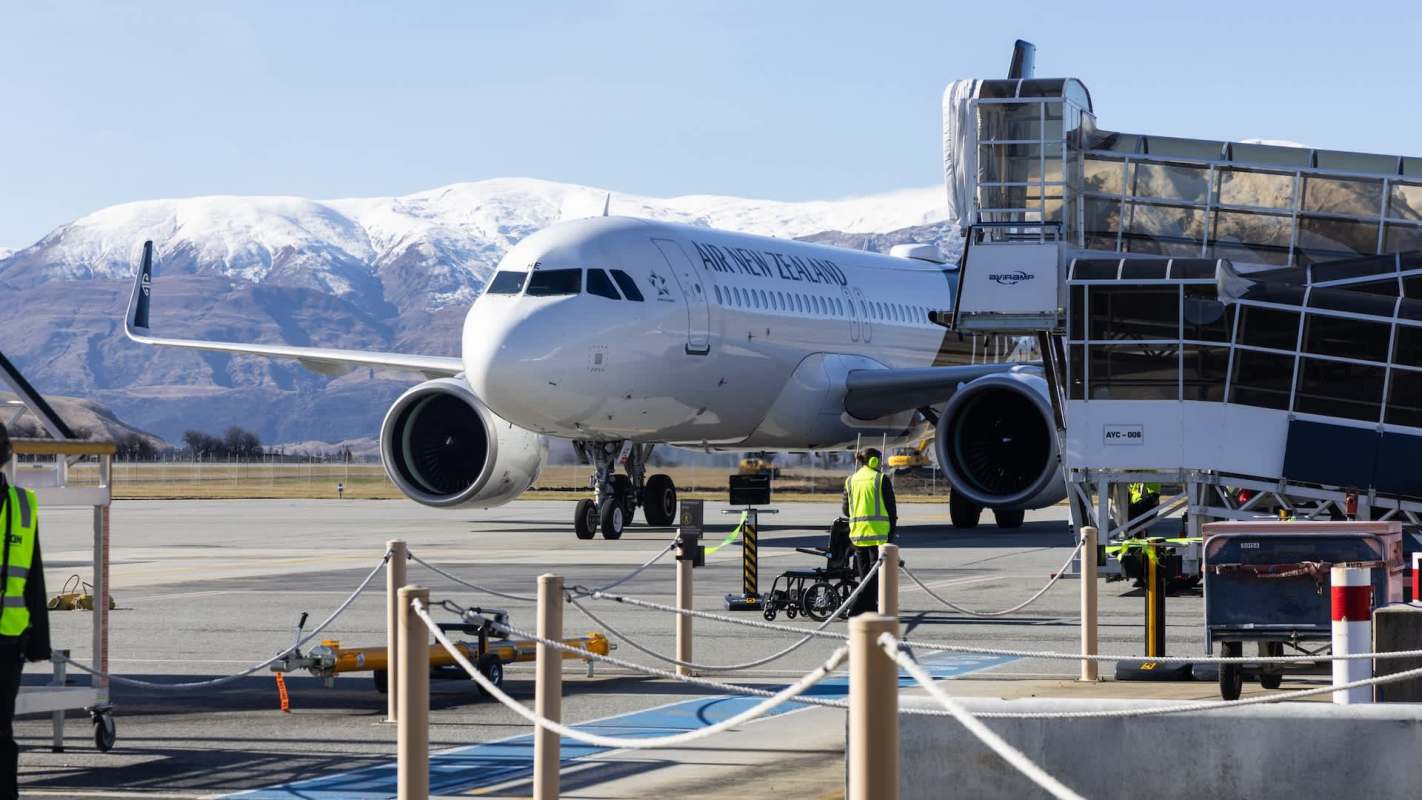
The New Zealand Labour Party is proposing a major shake-up of the country's domestic aviation market. The plan aims to loosen Air New Zealand's grip on many regional routes while giving passengers stronger protections around refunds and pricing.
Under the proposal, smaller airlines would get greater access to airport facilities, while larger airlines would face added oversight of fares, costs, profits, delays, and cancellations.
Here's what to know
According to 1News, Labour's aviation policy would make domestic airport facilities such as gates, check-in, baggage handling, and ground services available on a shared basis. It also proposes automatic refunds from major airlines when flights are canceled or substantially changed.
Regional travel is a central focus of the plan, with Labour arguing that passengers on many of those routes have few alternatives. The party cites a Commerce Commission finding that many regional Air New Zealand services face limited or no competition.
Another part of the policy would change the rules for connecting flights so smaller carriers can access more potential customers, including people transferring from international services.
Labour also wants airlines to display the full ticket price upfront, with fees already built into the first advertised fare.
TCD Picks » Quince Spotlight
💡These best-sellers from Quince deliver affordable, sustainable luxury for all




The package also targets personalized pricing. Under the party's proposal, airlines would have to notify customers if they use data such as search history to determine the fare shown.
More background
Labour leader Chris Hipkins said air travel is essential for many people, including those traveling for medical appointments, family events, and business.
Commerce spokesperson Arena Williams said travelers are bearing the cost of weak competition.
"For many regional routes, there is limited or no competition. That means fewer choices for travelers and less pressure on airlines to offer better prices and service," she said.
The party accepts that fuel, maintenance, and the cost of using smaller aircraft on short routes all add to domestic fares. Even so, Labour argued those pressures do not "fully explain the big price rises we've seen in recent years."
Williams also used the announcement to criticize the National Party's approach, saying support for smaller airlines has focused on financial help rather than removing structural barriers.
"Smaller airlines shouldn't have to compete with one hand tied behind their backs," she said.
What's being done?
Under Labour's plan, major airlines would remain under Commerce Commission monitoring through regular reports on fares, costs, and profits. They would also need to publish performance figures on delays, cancellations, and baggage-handling reliability.
Passengers would also gain new compensation rights. Major airlines would need to automatically refund travelers for cancellations or major schedule changes and reimburse or compensate them when bags are seriously delayed or paid services are not delivered.
Labour said those refund and compensation rules are intended for big airlines rather than smaller regional operators such as Sounds Air or Air Chathams.
The party also said it wants to examine options for lowering borrowing costs for regulated airports.
Hipkins said, "For many New Zealanders flying is how we get home for a birthday, get to a hospital appointment in another city, or keep a business running. But flying is expensive, and on many regional routes, there is little or no competition. Kiwis are struggling with the cost of living and are finding it harder and harder to make those important trips."
Where can I learn more?
Elsewhere, airlines and airports are facing similar pressure from regulators and the public.
• In Australia, Qatar Airways drew scrutiny for 'ghost flights' to exploit loopholes without selling tickets.
• Spain approved a ban on domestic flights where rail alternatives already cover the route.
• At Dallas-Fort Worth International Airport, critics said sustainability claims crossed into greenwashing in airport marketing.
• European airlines warned the new pollutant reporting mandate would be difficult to follow without major changes.
• At Seattle-Tacoma International Airport, officials made sustainable food rules mandatory for terminal vendors.

Get TCD's free newsletters for easy tips, smart advice, and a chance to earn $5,000 toward home upgrades. To see more stories like this one, change your Google preferences here.






