


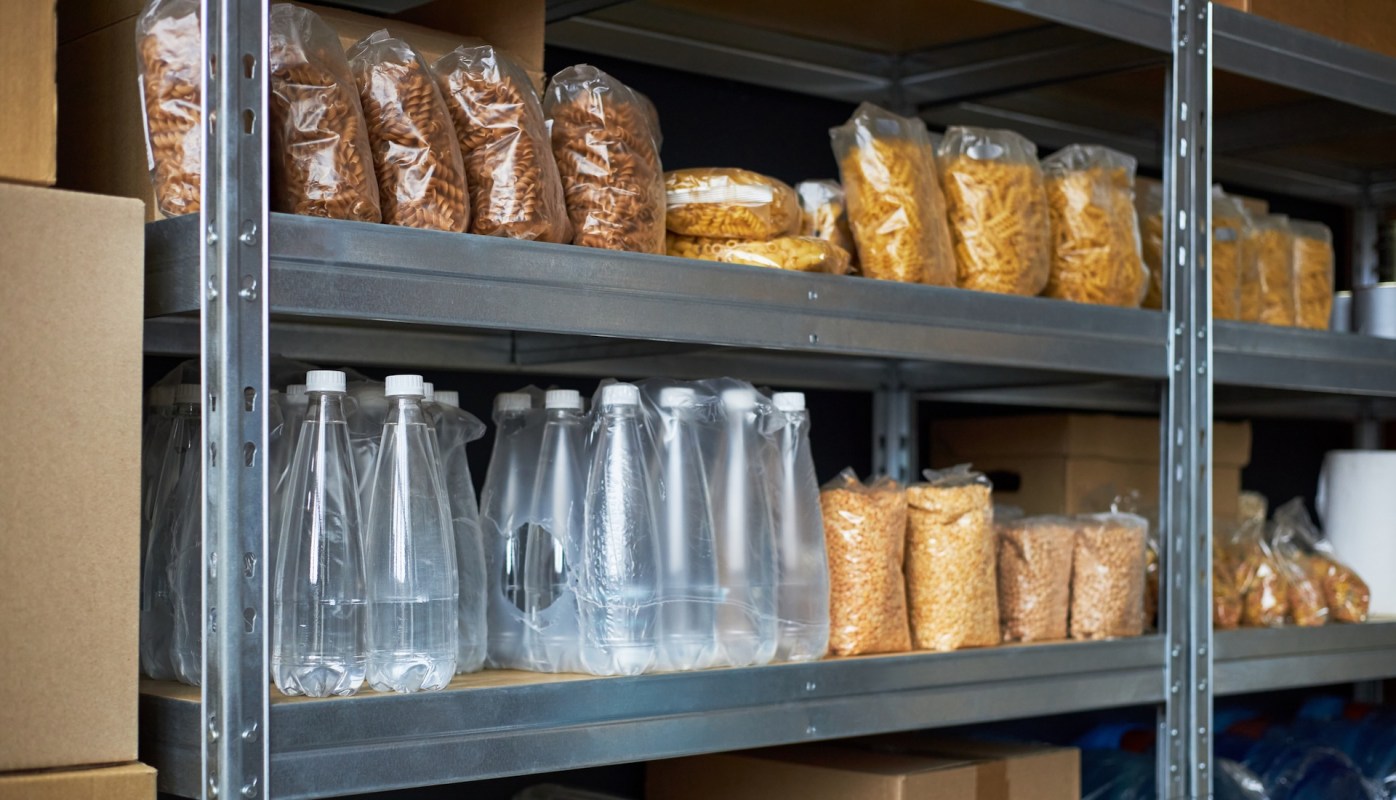
A Reddit post about emergency meal planning is drawing attention for one striking number. The original poster acquired more than 300,000 calories for under £200 (~$265), in their telling.
For the household behind it, that annual shop is meant to cover one month for a family of four.
Here's what to know
In a Reddit thread, the user shared a screenshot of a spreadsheet on the r/UKPreppers subreddit and said this is a purchase they repeat every November.
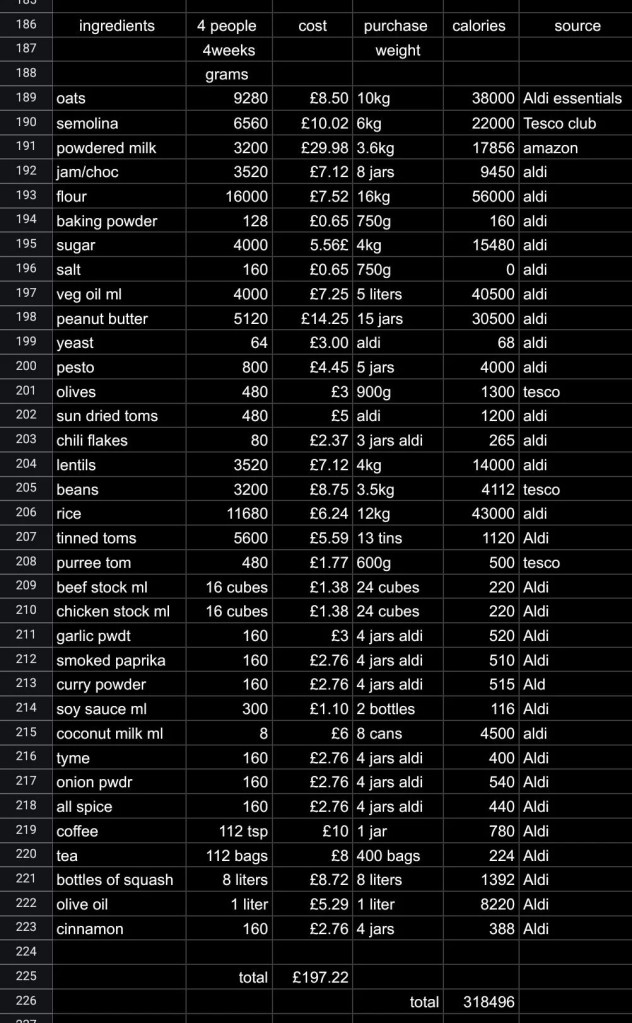
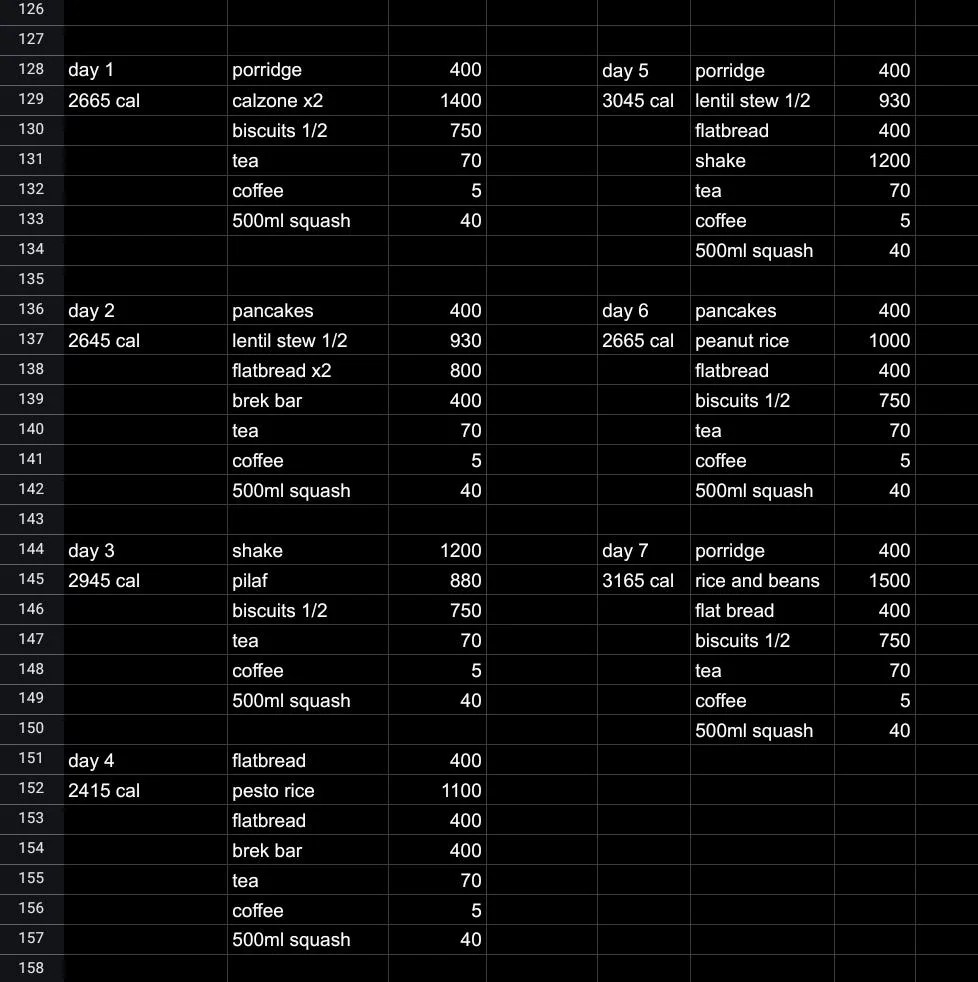
Their rotation system is simple. Most of the older stash goes to a food bank in December, and whatever is left gets moved into the cupboards at home.
"This is an emergency supply for a family of 4 for a month," the poster wrote. They said the plan centers on one-pot meals they already batch-cook and freeze, using "basic calories" and no meat.
The goal is less about variety than about having a formula the family can repeat. Explaining the thinking behind it, the poster said the idea grew out of a trip to Cuba, where the same base dish could be adapted depending on which ingredients were available.
TCD Picks » Quince Spotlight
💡These best-sellers from Quince deliver affordable, sustainable luxury for all




One commenter responded positively to that practical mindset, writing, "Wonderful! Thanks very much for the ideas."
When someone asked whether adding expiration dates to the spreadsheet would make stock rotation easier, the poster said they had tried that and couldn't keep track of it.
More background
The post frames preparedness as a relatively low-cost household buffer rather than a dramatic stockpiling exercise.
The emergency stockpile is not the only place they buy in volume. The poster said they "bulk buy almost everything" in everyday life, while also noting that the family's normal meals are better than the backup supply. The list leans toward dense, shelf-stable staples instead of mirroring the family's usual pantry.
Storage is compact as well. The poster said it all "fits in a lockable van vault in the shed" and that they "visit it once a year."
On the question of long-life brands, including milk, the original poster shared their sources.
"This is all mostly Aldi stuff," they wrote. "Emergency only and cheap. Nido is my go to, from Amazon."
What can be done?
Familiarity is part of the strategy. The original poster wrote, "I know my family will eat this," and said the one-pot meals are already part of their routine, which can help limit waste.
"If you decide to have a go, you have to learn to cook this stuff," they wrote, adding that flat breads and calzone take skill even if "everything else is pretty simple."
Their cooking gear reflects habits they already have. The poster said they camp monthly, prefer cooking over fire, and keep tools including a Chapatti pan, a Zebra billy can, and a Trangia multi-fuel stove, while also stressing that "ultimately you don't need most of it and can just use cheap IKEA stuff."
For feeding a whole family, they said they would "just use a stock pot."
Water is part of the setup too. The poster said they keep a Lifesaver jerry can in the loft for purification, describing it as "about £35 a year insurance policy."
Where can I learn more?
For readers thinking about preparedness beyond food storage, there are more examples of how other households build backup plans around everyday life.
• One off-grid family says meal planning and budgeting help stretch limited household resources year-round.
• On Reddit, preppers say solar panels beat generators when blackouts threaten household routines.
• Some homeowners now use VillaGrid's battery backup for fridges to protect food during blackouts.

Get TCD's free newsletters for easy tips, smart advice, and a chance to earn $5,000 toward home upgrades. To see more stories like this one, change your Google preferences here.







