


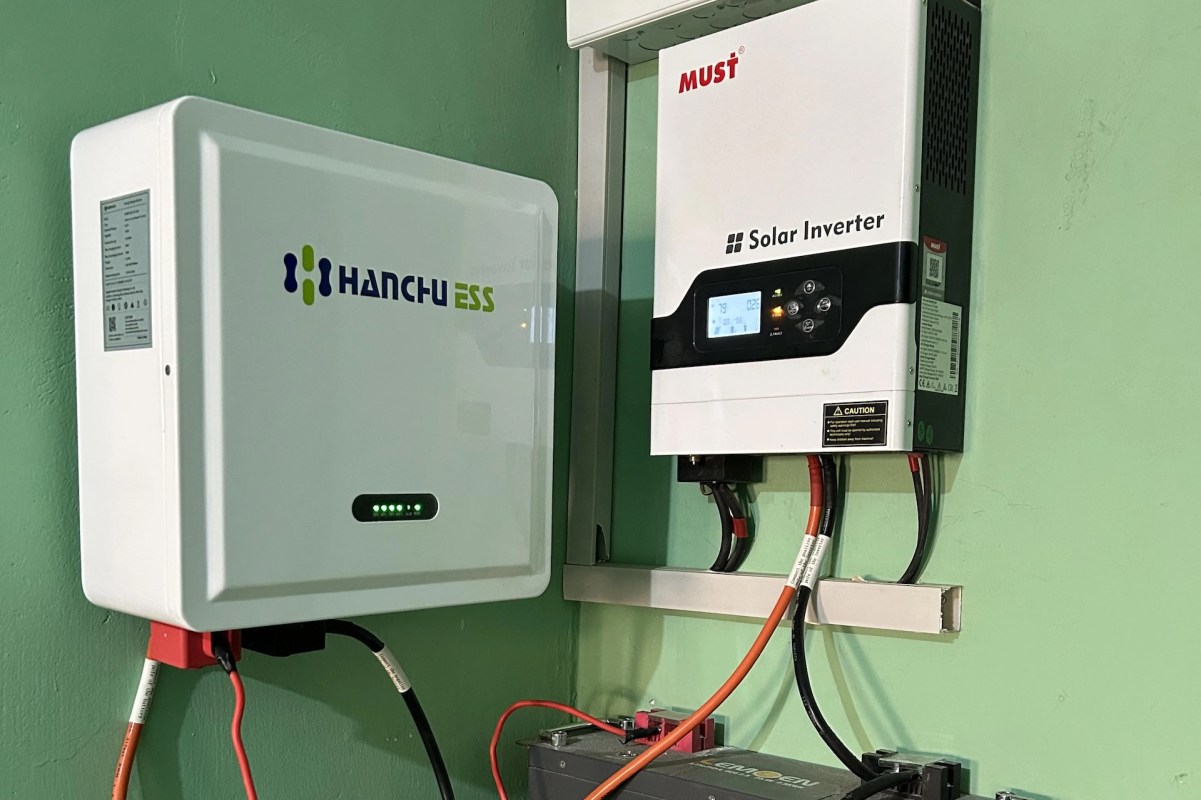
A DIY solar user weighing a battery upgrade wanted to know whether mixing brands would work safely: After nearly two years of using a Lemoen 25.6-volt 100Ah lithium battery, could a new Hanchu pack with the same rating be connected in parallel?
Users said it could — as long as both batteries were first fully charged and confirmed to be at the same voltage.
Here's what to know
The plan was to increase capacity by connecting a new 25.6V 100Ah Hanchu battery in parallel with the 25.6V 100Ah Lemoen battery already in use, one way to grow stored energy without reworking the entire system.
In a Reddit thread on r/SolarDIY, the owner said, "I have been using a Lemoen 25.6v 100AH battery close to 2 years now." The advice from users was to top off both lithium batteries and make sure their voltage readings matched before linking them.
For a homeowner considering whether to add a second 100Ah pack, that could mean keeping essential devices running longer without paying to replace an entire setup that still works. Homeowners who want to compare installed options can explore EnergySage, which has teamed up with electrification brand Qmerit to help homeowners get the best price on home battery storage solutions.
More background
The batteries are nearly two years apart in age. A pack that has been cycled for almost two years will not behave exactly like a brand-new one, even if both are labeled 25.6V and 100Ah, so matching charge conditions before paralleling them becomes the key precaution.
Expanding one battery at a time can be far cheaper than replacing an otherwise functional Lemoen pack just to keep the brands identical. In this case, that would let the owner add capacity without discarding hardware still in use.
The owner also clarified one important detail: "FYI, both are lithium batteries." With that shared chemistry established, users kept returning to the same guidance: fully charge both packs and confirm they show the same voltage before connecting them in parallel.
Save $10,000 on solar panels without even sharing your phone number Want to go solar but not sure who to trust? EnergySage has your back with free and transparent quotes from fully vetted providers in your area. To get started, just answer a few questions about your home — no phone number required. Within a day or two, EnergySage will email you the best options for your needs, and their expert advisers can help you compare quotes and pick a winner. Solar panels can save you more than $50k over their 25-year lifespan, and EnergySage can help you save as much as $10k on installation. Which begs the question — isn't that worth an email or two? |

What can be done?
The practical checklist in this case was short: verify that both batteries are 25.6V 100Ah lithium packs, charge each one completely, and compare the voltage on both before making the parallel connection.
That step can help prevent the kind of sudden equalization current that makes battery owners nervous when one pack is newer or at a different state of charge. It also helps preserve the money-saving appeal of adding a single extra 100Ah battery instead of replacing a functioning battery bank.
Homeowners who decide they want more resilient backup than a DIY two-pack setup can provide have other options too. Pila offers strong battery backup options, and Pila's plug-and-play batteries are priced at a fraction of what a whole-home backup system would cost.
Where can I learn more?
For more on battery upgrades and safety, these stories cover bargain battery build quality, home backup financing, reused EV packs, and fire-safety advances.
• A DIY solar expert on Amazon found badly crooked cells inside a bargain LiFePO4 pack.
• SunPower and Palmetto are helping homeowners install home backup batteries without upfront costs.
• In California, B2U Storage Solutions reuses old EV batteries for large solar storage.
• Researchers have made a lithium battery safety improvement that could reduce fire risks.

Get TCD's free newsletters for easy tips, smart advice, and a chance to earn $5,000 toward home upgrades. To see more stories like this one, change your Google preferences here.






