


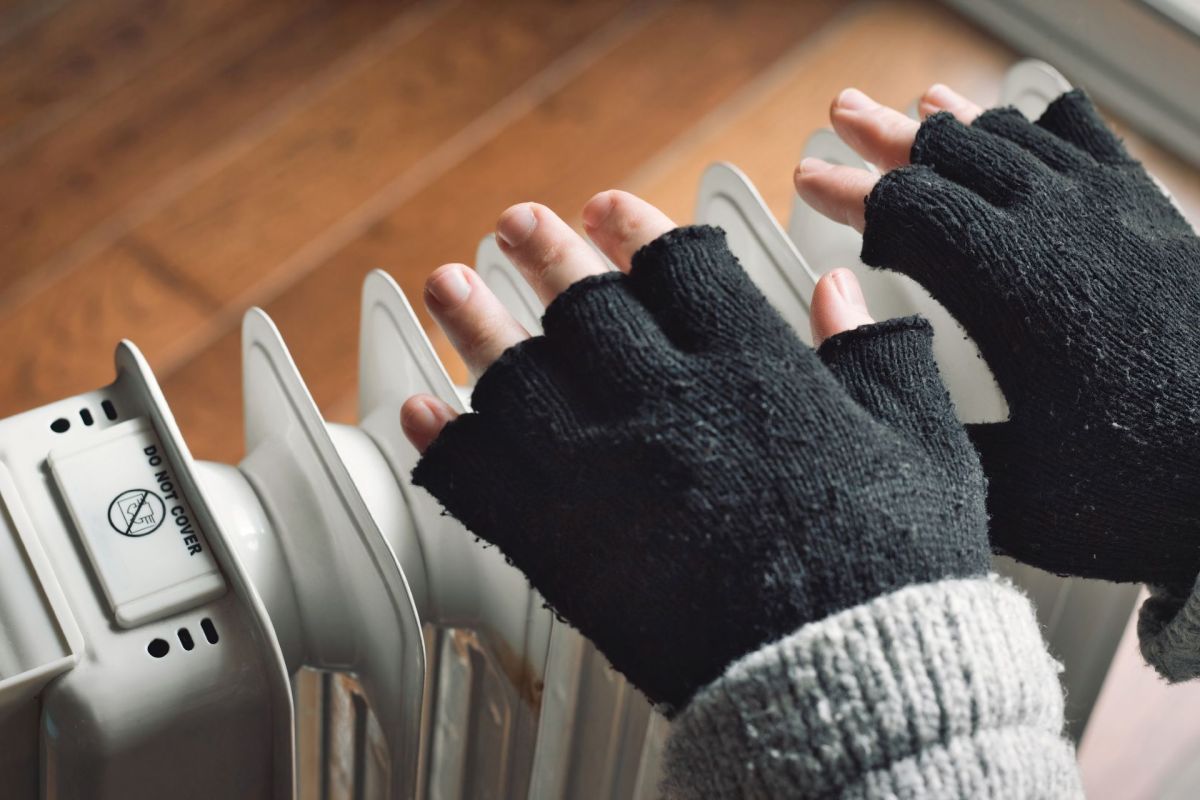
As Nova Scotia, Canada, begins another heating season, the province is again offering lower-income households a CA$400 ($280) rebate — an amount many argue does not reflect rising power and fuel costs, on top of lower income caps.
Here's what to know
Under Nova Scotia's Heating Assistance Rebate Program, individuals with net income up to CA $30,000 ($21,000) and households with net income up to CA$45,000 ($31,650) can qualify and submit applications from Oct. 1 through March 31, according to the CBC.
While welcoming the fact that the province continues to offer some assistance, Ecology Action Centre energy coordinator Juli Bishwokarma said: "$400 is not enough to meet the reality households are facing."
ACORN leader Miriam Williams said she wanted the province to bring back the program's wider version that was in place between 2022 and 2025. "They've already cut out eligibility for way too many families," Williams said, per CBC.
Heating is not optional, and excluding more households from assistance can push communities deeper into energy poverty, making it harder for families to afford rent, groceries, and other necessities while keeping their homes warm.
More background
The province later trimmed HARP by cutting the budget, shrinking the rebate, and lowering the income thresholds. Families once qualified at much higher income levels with larger payments. The income cap reached $85,000 in 2022-23, then fell between $55,000 and $75,000 over the next two years, while the rebate ranged from $600 to $1,000.
TCD Picks » Quince Spotlight
💡These best-sellers from Quince deliver affordable, sustainable luxury for all




Anti-poverty advocates and opposition politicians have criticized these changes, and many of the same complaints are resurfacing as Nova Scotians face higher energy costs. Electricity prices are expected to rise again, while home heating oil costs have surged.
What's being done?
Service Nova Scotia Minister Jill Balser said the province is working within its budget constraints while facing a $1.4 billion deficit. "I appreciate what's on the minds of Nova Scotians of course with power rates going up and other costs of living," she said.
Balser said the budget is still about $33 million while the province tries to improve participation. She said her department's main focus is ensuring everyone who qualifies applies, and the province has launched a new social media campaign to attract more applications.
Balser said roughly 54,000 of the 70,000 households estimated to be eligible submitted applications, leaving about one-third of the budget unused. She said the province returned the remaining $11 million to general revenues.
Bishwokarma described energy-efficiency upgrades as one affordability measure and argued that an annual rebate alone does not solve the deeper problem of energy poverty. "We need to think about both immediate and longer-term affordability solutions."
Where can I learn more?
Households squeezed by heating costs may also look at rebates and upgrades to cut bills. These stories cover tax credits, weatherization aid, heat-pump incentives, and other government efforts to make home energy more affordable.
• Across the U.S., families can claim up to $10,000 to replace aging furnaces with heat pumps.
• Federal weatherization programs can cut energy bills while sending households another $1,600 in aid.
• Millions of Americans remain eligible for $14,000 in home upgrades that permanently lower heating demand.
• In Lincoln, Nebraska, homeowners can tap $5,800 in incentives for new heat pumps.
• In the U.K., ministers are investing billions to save hundreds of pounds on home energy.

Get TCD's free newsletters for easy tips, smart advice, and a chance to earn $5,000 toward home upgrades. To see more stories like this one, change your Google preferences here.






