


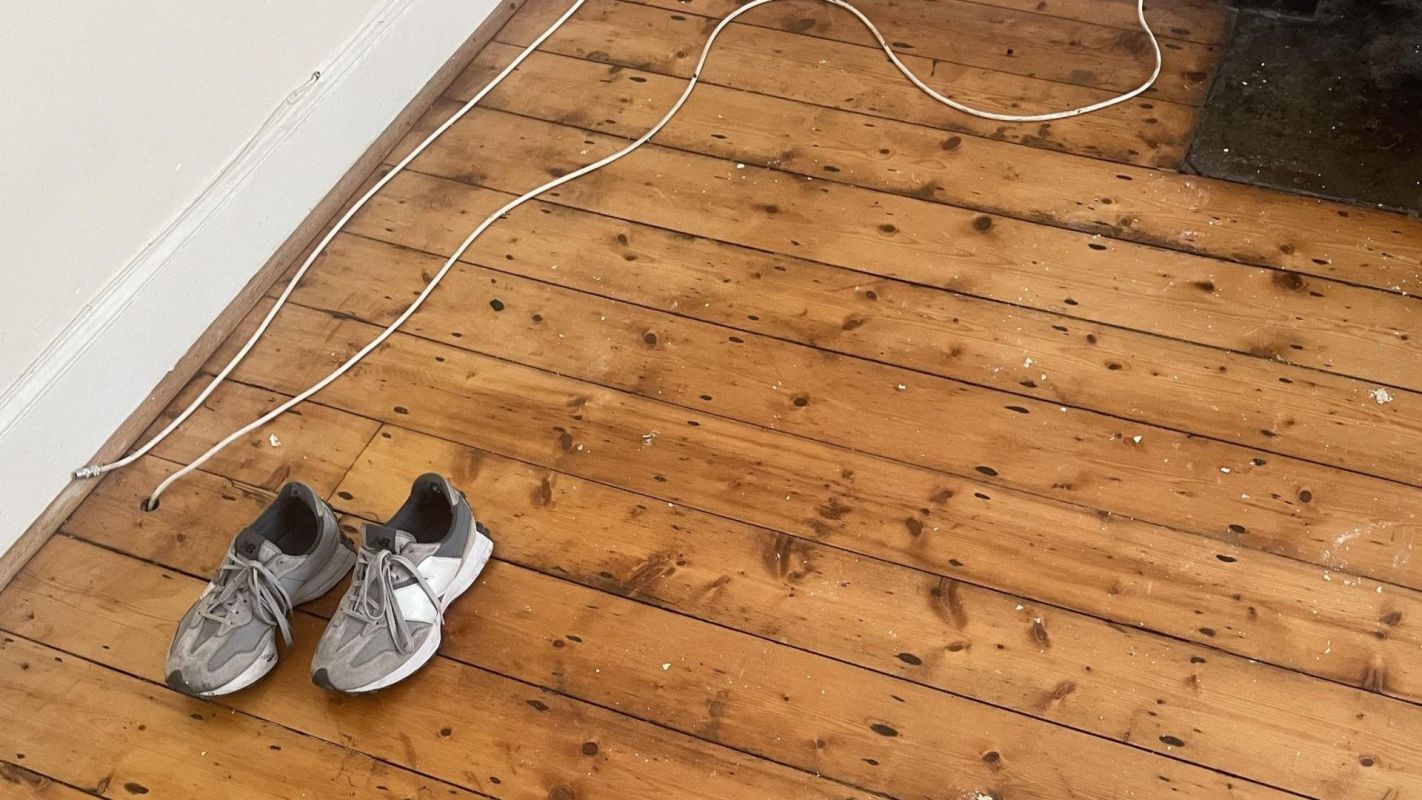
Trying to retrofit insulation beneath a suspended timber floor a little at a time, one United Kingdom homeowner was told that the harder part may be saving the original floorboards, not fitting the insulation.
Explaining why the work could not be done as one big project, the original poster said: "I have a family. I have a job. I can't really do it all in one go, because it'd just create hell for the family."
Here's what to know
In a post on Reddit's r/DIYUK forum, the OP said the job had turned out to involve much more than adding insulation. Before that stage, they still had to clear material from the underfloor void, deal with extra joists resting on the ground and blocking ventilation, and replace some damaged boards.
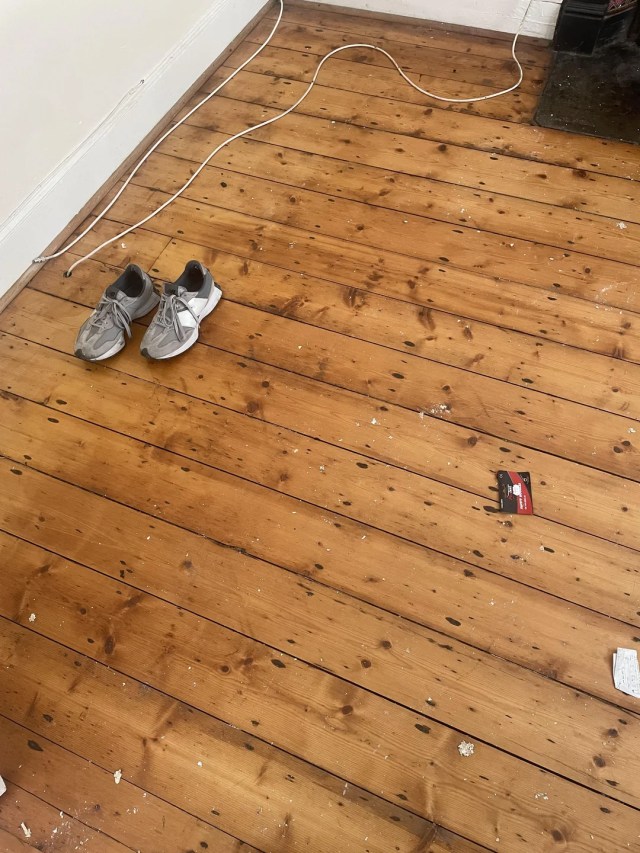
The key question was whether a phased approach would spoil the finish: If the boards were lifted and renailed several times, could they still be used as the exposed final floor?
One user attempted a similar room-by-room project around work and family life.
They said: "After the first few boards in the first room, I quickly realised I was not keeping the original subfloor. Ancient rusty flooring nails fight back."
TCD Picks » Quince Spotlight
💡These best-sellers from Quince deliver affordable, sustainable luxury for all




Another user floated a temporary option: If the boards come up cleanly the first time, loft boards, plywood, or something similar could be screwed down for the interim, with the original boards only going back once the bigger job is complete.
More background
The issue was not just insulation but the broader complications of repairing an older property. The OP was trying to balance underfloor ventilation work, joist repairs, replacing damaged boards, central-heating replumbing, and keeping the original flooring visible.
Users said reusing old timber boards can become slow, fiddly work once edge fixings and pipework are involved. Because many of these floors are tongue-and-groove, one user noted that boards near the wall may be nailed to the last joist, while skirting boards or radiator pipes can make removal harder and may require radiators to come off so capped pipes can pass through the floor more easily.
Not every reply favored preserving the suspended floor.
One user who replaced the floor with concrete and underfloor heating called it an "absolute game changer in terms of insulation and draught exclusion."
Another user who had used concrete and underfloor heating in a different room added that it "works better with heat pumps in future."
No one in the thread put a monetary figure on the savings, but the repeated point was that a colder-from-below house loses heat through the floor — and that reducing that loss could also ease heating bills.
What can be done?
The fullest how-to advice came from a user who said they had done the work: "Use a multitool to cut the tongues off the boards so less break as you lift, number the boards as you lift, breathable membrane and rock wool or cut PIR to size and use expanding foam to seal, then relay using 60mm part threaded screws."
Other users added smaller tactics intended to keep the boards usable. Suggestions included cutting through tongue-and-groove joints with a plunge saw, using a pallet buster to lift boards, and swapping nails for screws when relaying so future access is easier.
There were also reminders that the job may extend beyond the floorboards themselves. One user said they may need to remove skirting boards, and the heating system might need to be drained so they can cap radiator pipes before the boards go back down.
Where access exists underneath, users said that can limit how much of the floor needs to be opened up.
One user said crawl space access can cut down on board lifting, while another said they cut a couple of planks in a hallway and "pretty much crawled under the whole house with celotex."
Where can I learn more?
If you're looking into insulation or planning a bigger home upgrade, these stories explore newer materials and rebate programs shaping the space. They cover hemp-based insulation, government rebate money, fungi-grown building materials, fire-resistant fiberboards, and newer wood technologies.
• In Idaho, Hempitecture opened the first U.S. hemp-insulation factory to expand lower-carbon retrofit options.
• Across the U.S., homeowners have already claimed over $3 billion for insulation and other efficiency upgrades.
• In Australia, engineers found fungi could turn old mattresses into useful insulation panels for buildings.
• In Norway, a team created fire-resistant fiberboards from waste while cutting formaldehyde pollution concerns.

Get TCD's free newsletters for easy tips, smart advice, and a chance to earn $5,000 toward home upgrades. To see more stories like this one, change your Google preferences here.






