


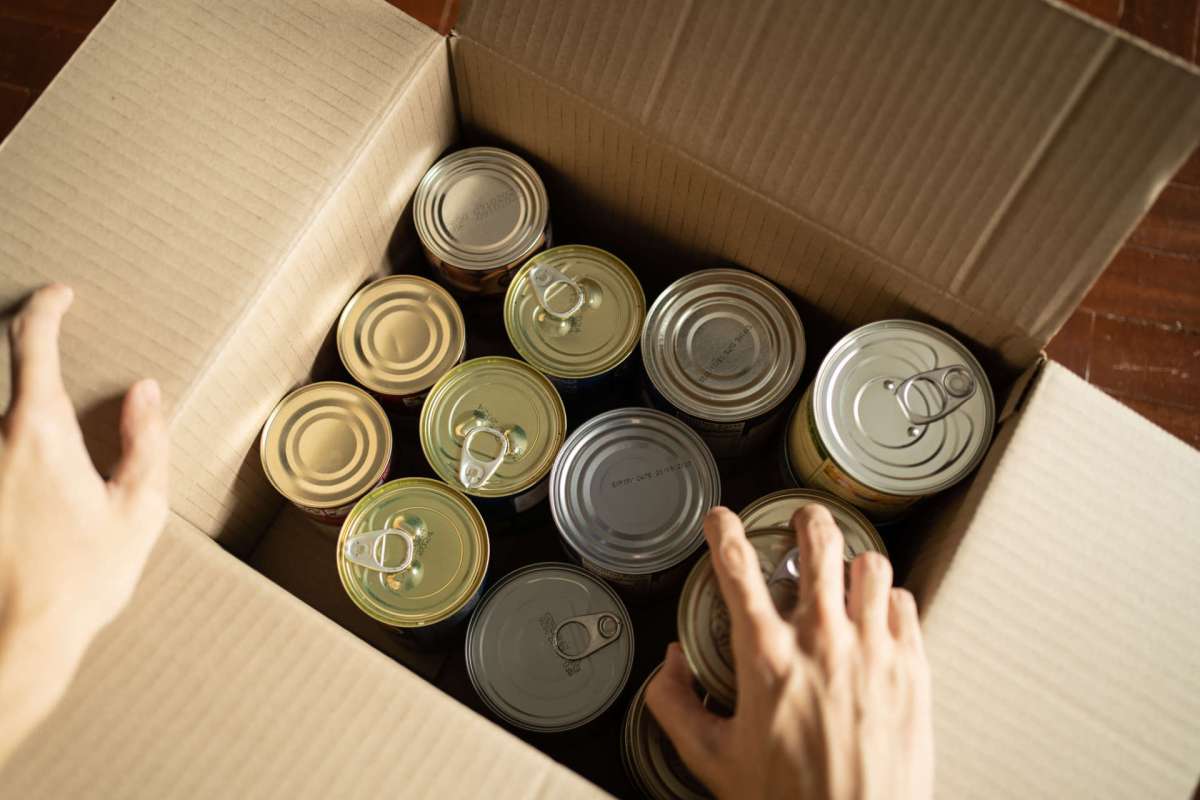
In a hurricane-prone part of the Southeast, a family of six seemed prepared for just about anything. But one often-overlooked issue quickly took center stage in a thread on Reddit: What happens to all the trash, diapers, and human waste they produce when services are disrupted for days?
Here's what to know
In r/Prepping, a Reddit user shared that their setup ranged from rainwater barrels and a gas generator, to resource books, a backyard garden, and even a "secret stash of chocolate."
They also had extra containers, a chest freezer, staples like rice and beans, an Anker power station with solar panels, and a stash of flashlights, headlamps, and hand tools. Other practical items included an inflatable raft, menstrual products, work gloves, and a fireproof document bag, while games, chalk, and books would keep the two adults and children entertained.
However, they admitted they overlooked waste disposal after a commenter asked, "What are your plans for garbage/waste disposal given different scenarios and time lengths?"
"Honestly of all the things, I had not given it a thought!" the original poster replied.
More background
Bulk food, homegrown produce, and backup power can help families avoid expensive store runs and potentially save a freezer full of food during a multiday outage.
TCD Picks » Quince Spotlight
💡These best-sellers from Quince deliver affordable, sustainable luxury for all




But as a commenter noted, "Most people never consider the waste aspect of prepping!"
From there, the discussion centered on logistics: how to keep garbage sealed so it does not create odors or attract pests, whether trash should be sorted, how it would ultimately be disposed of, and what to do with human waste if the ground is too hard to dig.
One user said it might be worth looking into a burn barrel.
"Have a plan to handle the diapers; we started growing mint around our trashcans as a lesson learned from dirty diapers after a hurricane," another said.
What can be done?
If there was one repeated lesson in the thread, it was not to wait for an emergency to find out whether equipment and routines actually work.
One commenter wrote, "Test what you plan on using if you have never used it." They also noted that "everyone who can walk can help." For a family with children ranging from age one to 14, that means assigning roles in advance rather than improvising under stress.
"Cannot emphasize enough, try it BEFORE you rely on it," the commenter concluded.
Where can I learn more?
For families planning for hurricane outages, these stories dig into many of the same challenges. They cover emergency supplies, lessons from multi-day blackouts, storm readiness checklists, and preparedness gaps in disaster-prone communities.
• During hurricane season, families often rely on emergency supplies during outages when stores close.
• After Hurricane Milton, one homeowner shared days-long power outage lessons.
• Parents reworked their home plans after a cyclone power outage exposed weak spots.
• Homeowners compared tips on ultimate storm preparation.
• In Houston, a worrisome trend emerged among residents despite living in disaster-prone areas.

Get TCD's free newsletters for easy tips, smart advice, and a chance to earn $5,000 toward home upgrades. To see more stories like this one, change your Google preferences here.






