


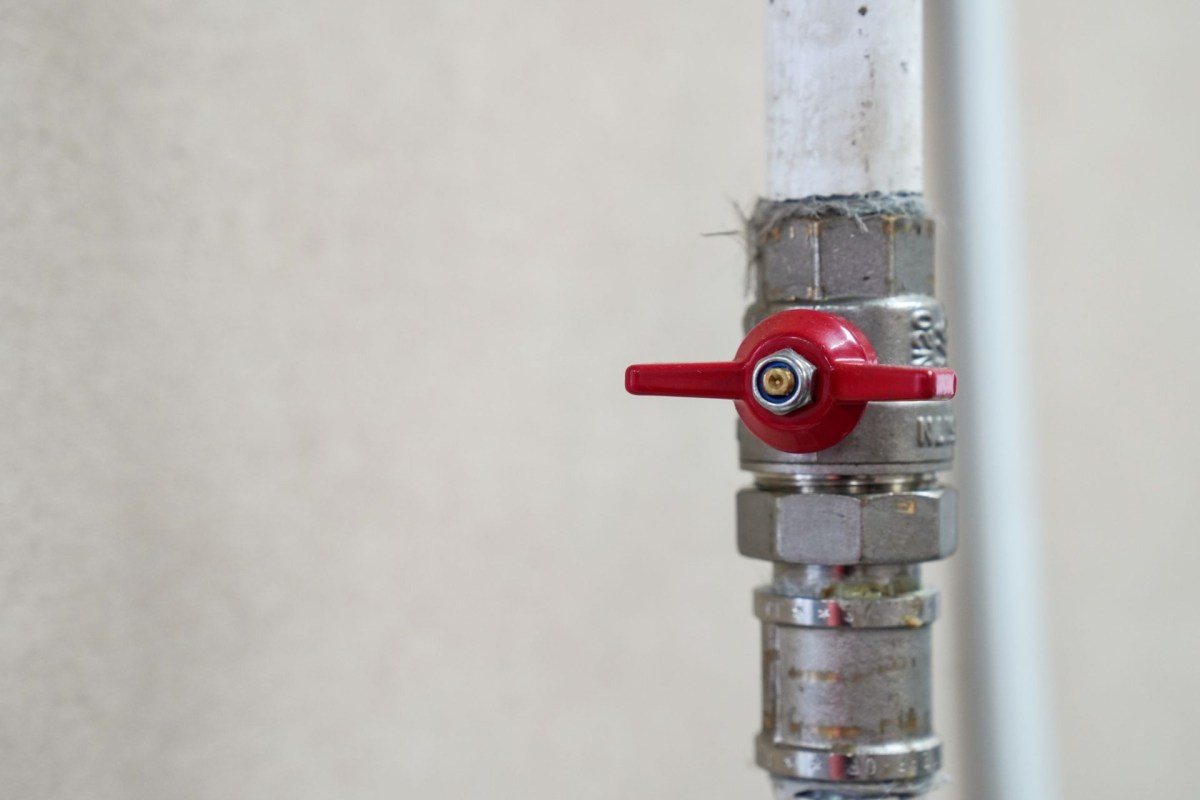
What looked like a simple kitchen faucet replacement exposed a larger plumbing issue in one duplex unit: the owner discovered there was no dedicated hot water shutoff anywhere on their side of the home.
Instead of a routine repair, the situation raised the possibility of shutting down and draining a 2018 water heater with an unknown maintenance record.
Here's what to know
The owner pointed to missing shutoffs throughout the duplex. In their Reddit post, they said there were no valves for the tub, bathroom sink, or kitchen sink, leaving "the main shut off for the entire house" as the only way to stop hot water to their unit.
The same problem had already affected another project. When they installed a washer and dryer, they connected only to cold water because "money's a little tight right now." The broken kitchen faucet made the missing shutoffs feel less like an inconvenience and more like an immediate issue.
The original poster added, "Replacing the entire water heater just isn't in the cards right now."
People in the comments said the repair likely would not require the full drain the owner feared.
TCD Picks » Quince Spotlight
💡These best-sellers from Quince deliver affordable, sustainable luxury for all




One said, "You shouldn't need to drain the whole water heater just to install a shutoff? Turn off main water, run water from lowest sink and you should be good to go!"
After hearing that, the OP said their assumption had been shaped by bad advice from an old job: "Now that you've said it out loud I'm realizing that my understanding of it was flawed and due to working for a seedy plumbing company for years."
If only the water in the lines has to be emptied, the homeowner may be able to avoid interfering with the tank itself.
More background
A detail many buyers might never think to check during a showing — whether each fixture actually has its own shutoff valve — ended up affecting this owner's laundry setup, faucet replacement, and sense of preparedness for an emergency.
The discussion also drew in other homeowners describing the small house problems that later turned into regular chores or recurring costs.
One user focused on drainage, saying, "Like 70% of water from my roof drains into one undersized downspout," and adding that if they do not keep that gutter clear it will flood the basement, requiring "weekly cleanings in fall" to keep the basement from flooding.
Someone else pointed to layout, saying their house had "no ground floor washroom" and that it was "one of the first things we added once we could afford it."
What can be done?
Based on the replies, the quickest path forward may be narrower than draining the whole water heater. Users suggested shutting off the main water supply, opening a faucet or tub, and draining only the water left in the pipes before replacing the faucet or adding a valve.
That advice came up again when another user asked, "Can you turn off the main Shutoff and open the faucet/tub and just drain what's in the lines?"
A third user took the explanation further: "Even if the hot water tank was in the attic, you still wouldn't need to drain it. The hot supply comes from the top of the tank. Without a mains feed supplying pressure, you only ever need to drain what's in the pipes."
Where can I learn more?
These stories cover the kinds of water heater questions that can come up when a basic plumbing repair gets more complicated than expected.
• On Reddit, a homeowner noticed an abnormal flame under their water heater and got urgent warnings.
• A homeowner sought advice on a heat pump upgrade after a plumber's recommendation raised doubts.
• A home expert shared critical water heater maintenance tips that could help owners avoid costly surprises.
• Plumbers reacted after a homeowner posted a sputtering, outdated water heater during renovations.

Get TCD's free newsletters for easy tips, smart advice, and a chance to earn $5,000 toward home upgrades. To see more stories like this one, change your Google preferences here.






