


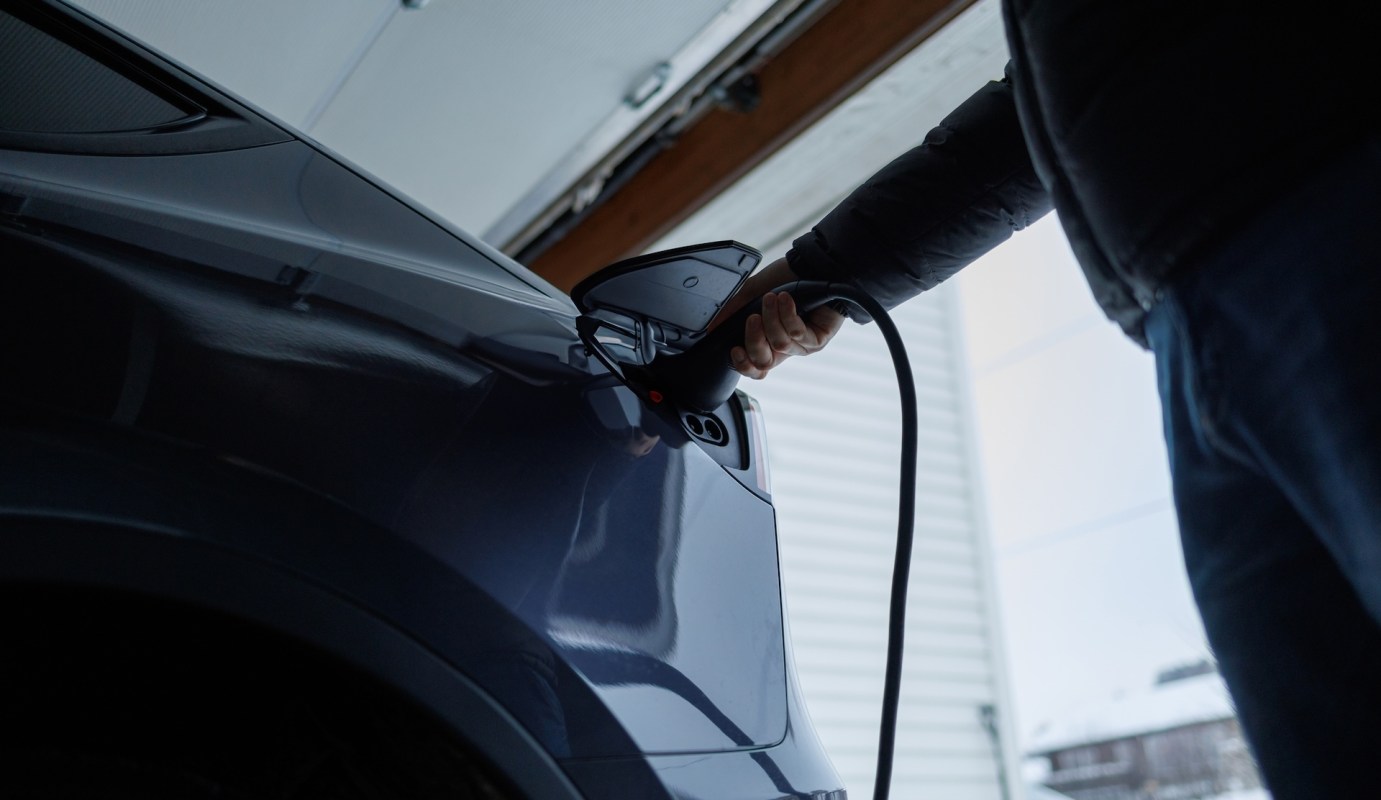
A New York City-area EV owner participating in Con Edison's off-peak charging program received an unexpected notice about paying an electrician to revisit a charger that was already installed, tested, and permitted.
The original poster wrote, "I am not too keen on hiring another electrician just to review work that was already reviewed last year."
Here's what to know
According to a Reddit thread on r/evcharging, the Staten Island resident said they got an EV, hired a Q-Merit-certified electrician to install an Emporia Level 2 smart charger, and then joined Con Edison's Smart Charge New York Incentives program.
They said the setup had worked with "zero issues" before an email arrived that seemed to call for another electrician's review.
Because the program is supposed to reward off-hours charging, the poster questioned why a charger that had already gone through permitting and inspection would lead to another out-of-pocket cost.
For some drivers in the thread, that made the math stop working. A commenter in Westchester wrote, "Had mine installed 2+ years ago so really feels like a bait and switch. It'll cost more to get the electrician to inspect and file permits than the entire rebate for a year."
TCD Picks » Quince Spotlight
💡These best-sellers from Quince deliver affordable, sustainable luxury for all




More background
Several commenters argued that adding this requirement could discourage the very behavior the utility incentive is supposed to promote. The Westchester commenter said they had "never charged outside of the 12 a.m - 8 a.m. window."
That same commenter said their habits would change as soon as the benefit disappeared: "They revoke my eligibility? Goodbye scheduled charging and I'm on the grid at their peak hours." An incentive meant to move charging away from high-demand periods could end up doing the opposite if drivers decide the paperwork is not worth the payment.
A few others were even more direct. One wrote, "Oh well, I'll just charge at peak time instead," while another replied, "Same. I just let it rip during the afternoon at 11kW."
The larger frustration was that people said they had already paid for a proper installation and changed their charging routines to fit the program, only to face what they saw as an extra bill later.
What can be done?
One proposed approach was to rely on the paperwork from the original installation instead of immediately paying for a new inspection.
One commenter advised the original poster to locate the requested form and submit the existing permit, inspection record, and electrician invoice.
The commenter wrote, "Send it in with copy of your permit, inspection, your invoice from the electrician and a letter that says you aren't paying $300 for a reinspection to save $X off your electric bill. (Assuming it is much less.) And add that if you aren't renewed, you will charge during peak hours as often as you can." That would at least show whether the documentation already on hand might satisfy the utility before any more work is ordered.
Another commenter took the simpler view that no repeat check was worth paying for: "I wouldn't pay for any double-check of the work if things are still going fine."
Where can I learn more?
If you're weighing charger costs, rebates, and utility fine print, these stories dig into the details. They look at tax credits for home chargers, New York rebate programs, and other fees that can change the economics of driving electric.
• A helpful tax rule lets homeowners claim up to $1,000 back on EV charger installation costs.
• In New York, homeowners can tap up to $24,000 in rebates for electric upgrades.
• In Texas, EV drivers say higher registration fees weaken the savings they expected.
• Prospective apartment renters now hear free plugs are vanishing as charging access tightens.

Get TCD's free newsletters for easy tips, smart advice, and a chance to earn $5,000 toward home upgrades. To see more stories like this one, change your Google preferences here.






