


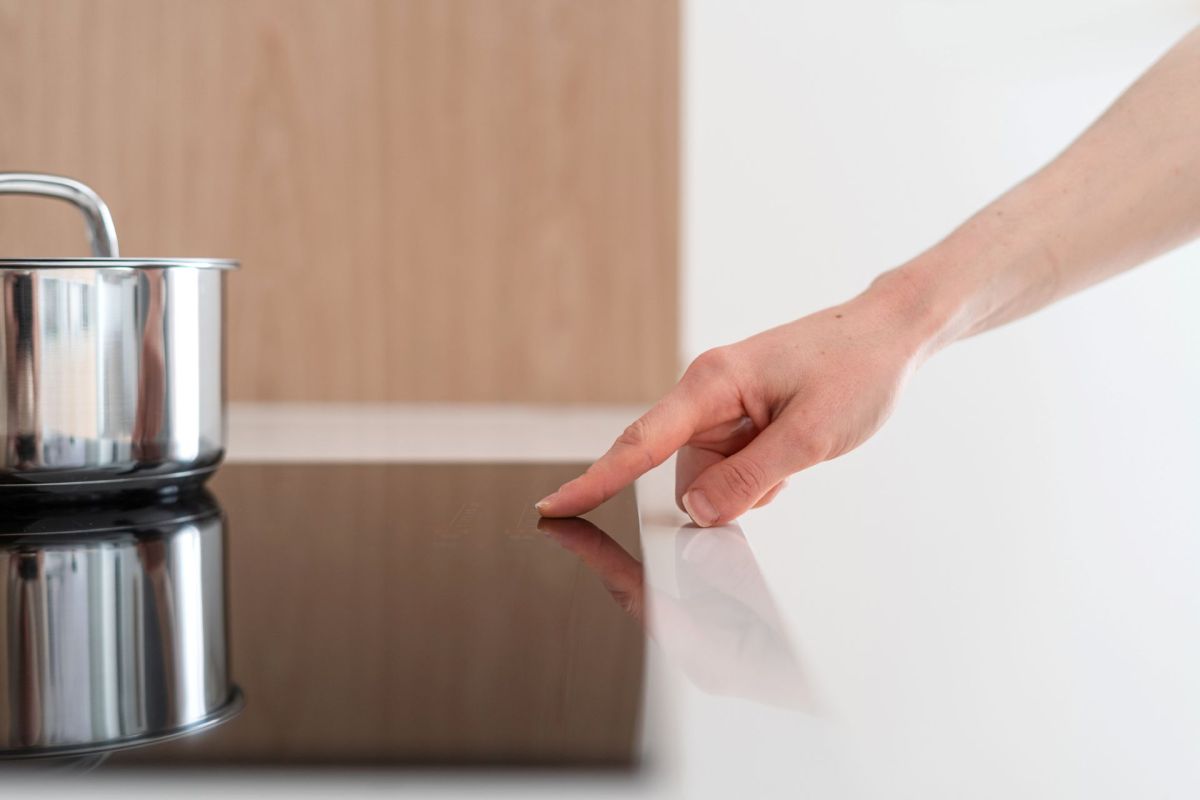
A homeowner in Victoria, Australia, had nearly finished switching everything from bottled gas to electric and solar, but their kitchen was the last holdout.
The response was overwhelmingly in favor of the move — with the main caveat being a short adjustment period.
Here's what to know
They wondered whether replacing the integrated gas stove and oven was worth it. "Are you happy with the change?" they asked on Reddit.
The homeowner chose induction over a conventional electric stove. Induction is popular because it uses electromagnetism to heat pans, making it safer, more energy-efficient, and easier to clean when food sticks to a hot burner.
The reaction was largely enthusiastic.
"There's a learning curve, but it's so good. My chef husband, who used gas all his life, says he will never willingly go back to gas," one commenter wrote.
Another person who had already moved off bottled gas said they were "kicking myself for not doing it earlier."
Others recommended trying the technology before committing fully. One suggested starting with a portable induction cooker.
Save $10,000 on solar panels without even sharing your phone number Want to go solar but not sure who to trust? EnergySage has your back with free and transparent quotes from fully vetted providers that can help you save as much as $10k on installation. To get started, just answer a few questions about your home — no phone number required. Within a day or two, EnergySage will email you the best local options for your needs, and their expert advisers can help you compare quotes and pick a winner. |

More background
Pairing electric appliances with solar panels is one of the best ways to save on home energy. For homeowners on a similar path, EnergySage can help you get free solar installation estimates and compare quotes.
One commenter said a portable induction plate plus an air-fryer oven had reduced their need for a conventional cooker so much that the full-sized stove sat unused "for six months" before they removed it.
What can be done?
A portable induction burner is a low-risk, cost-effective way to start testing the technology. One commenter said it helped them sort through their cookware, set aside pans that wouldn't work, and replace one with a $20 wok-shaped pan from an op shop.
The replies also included practical tips: Induction can heat faster than people expect, and built-in units may run more quietly than portable ones.
More From EnergySage
💡Go deep on the latest news and trends shaping the residential solar landscape

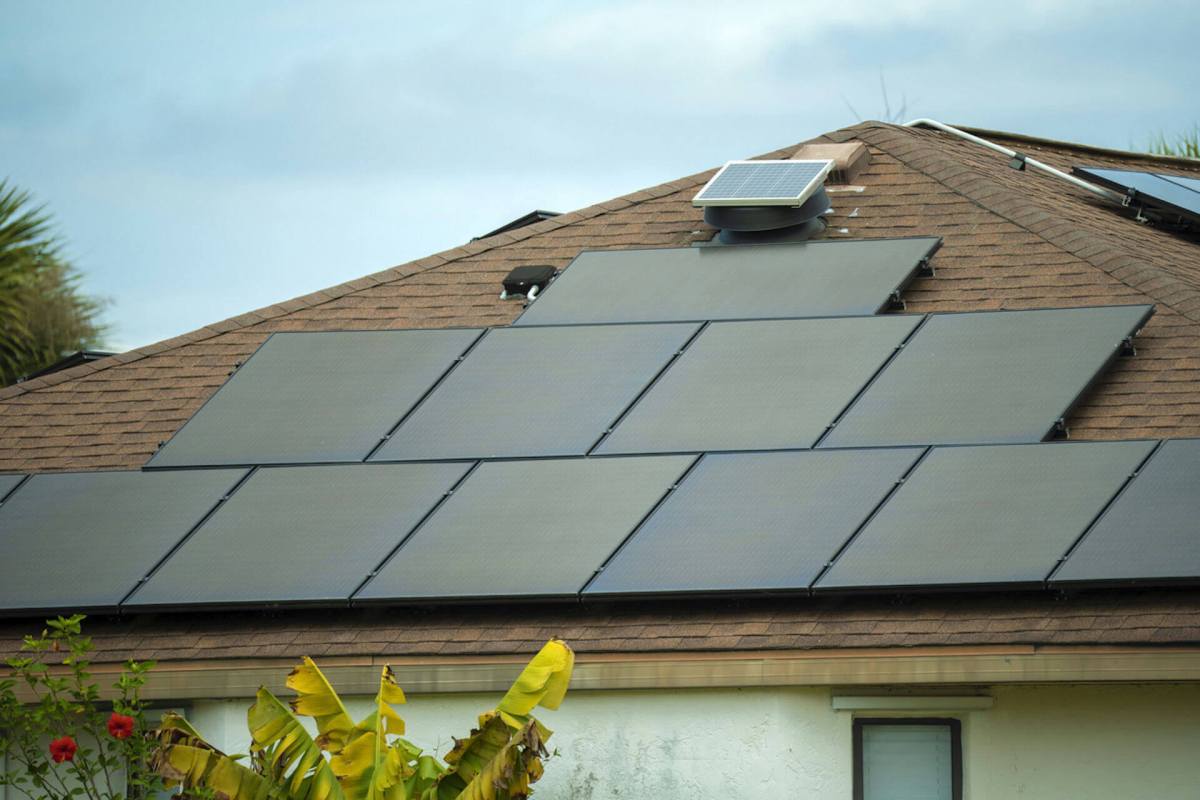

For homeowners eyeing a broader solar path, EnergySage adds another money-saving step. With EnergySage's help, the average person can save up to $10,000 on solar purchases and installations, and EnergySage's solar map shows the average cost of a home solar panel system on a state-by-state level, along with details on solar panel incentives for each state. Together, these resources can help homeowners get the best price for rooftop solar panels and access available incentives.
Adding battery storage to a solar setup is one of the best ways to protect your home during outages, save on energy costs, and go off-grid. Homeowners can explore EnergySage for information about home battery storage options, including competitive installation estimates.
As for induction, the overall verdict was simple: "Just do it. It's great."
Where can I learn more?
These stories explore why many people are switching from gas to induction and other electric appliances. They cover real-world switchovers, how induction works, and the health concerns driving the change.
• One homeowner saw their gas bill disappear a month after switching to induction.
• How an induction stove works helps explain its speed and control.
• Concern over the health risks associated with gas stoves keeps driving more families to switch.
• For buyers comparing options, what an induction stove is often matters less than how efficiently it cooks.

Get TCD's free newsletters for easy tips, smart advice, and a chance to earn $5,000 toward home upgrades. To see more stories like this one, change your Google preferences here.






