


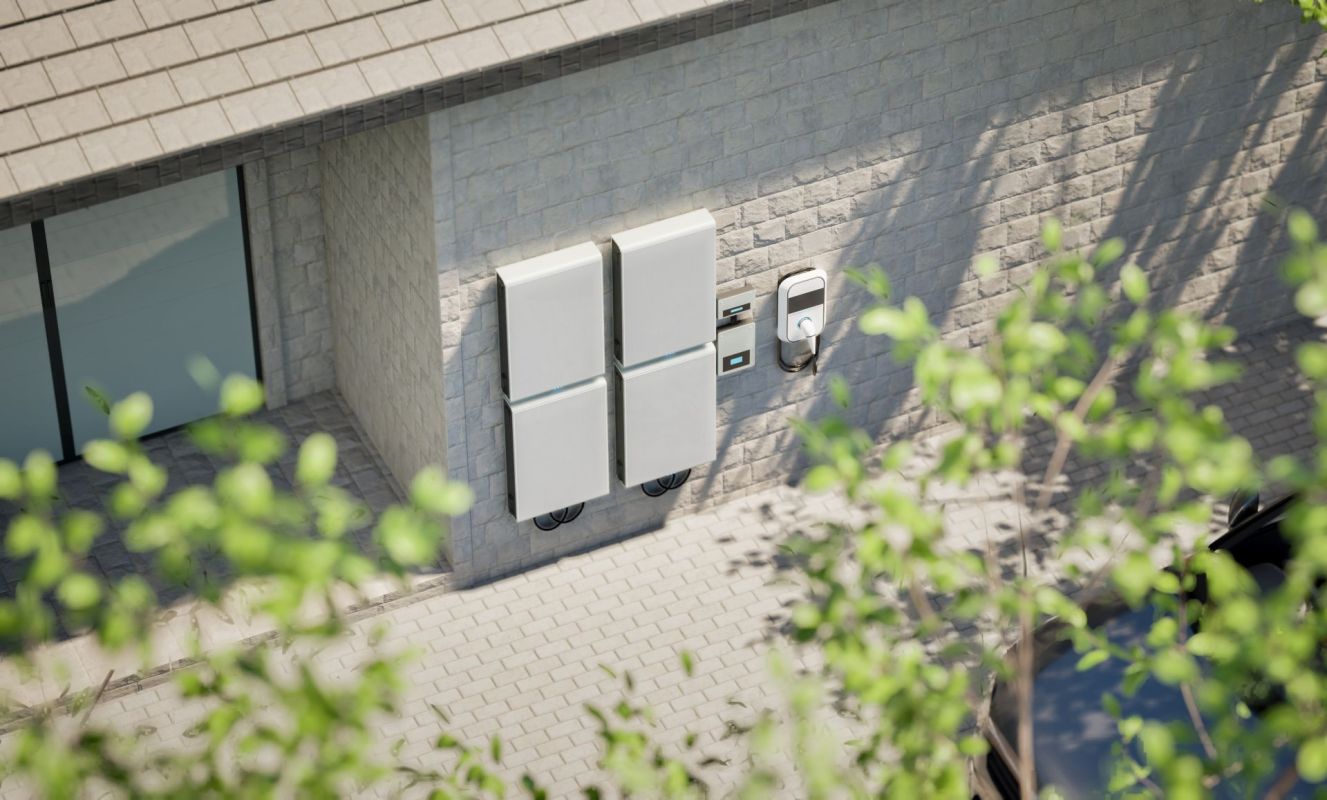
After colder weather set in, a U.K. homeowner noticed their outdoor Fox EP6 battery no longer made it to morning with over a quarter of its charge left. Instead, the 5.76-kilowatt-hour unit was out of juice around 4 a.m., while the clothes dryer was still in use.
Here's what to know
In Reddit's r/SolarUK, the homeowner said they installed the battery about six weeks ago. Before temperatures fell, the Fox EP6 could handle overnight use from larger appliances, including the clothes dryer, dishwasher, and washing machine. But now, on colder nights, it was losing functionality before sunrise.
"It's outside because we have no space inside," they continued. "We're running the battery at night because there's no sun so the power is generated from the battery rather than grid as the primary source of energy. I assumed everybody did this."
Still, the homeowner said the battery—provided under a warm-homes grant—had been "absolutely perfect" until now, and this was the first time since installation they had needed power from the grid. Battery storage can help protect a home during outages, save money on energy, and increase energy independence.
If you're exploring options, EnergySage lets homeowners compare home battery storage choices and competitive installation estimates. That could be especially useful for homeowners trying to avoid a mismatch between a relatively small battery and heavier appliance loads.
EnergySage has also teamed up with electrification brand Qmerit to help homeowners get the best price on home battery storage solutions.
More background
Some speculated that the colder weather was only part of the reason the battery was emptying sooner. "The issue is very possibly just that there is less sun now, nights are getting longer and so you're using your battery for longer and longer each evening/night/early morning," one said.
Others focused on how batteries manage lower temperatures. As one commenter explained, "The battery uses some stored energy to heat itself on cold nights to prevent damage to the cells." However, another said that adjusting the battery settings could solve the issue.
Save $10,000 on solar panels without even sharing your phone number Want to go solar but not sure who to trust? EnergySage has your back with free and transparent quotes from fully vetted providers in your area. To get started, just answer a few questions about your home — no phone number required. Within a day or two, EnergySage will email you the best options for your needs, and their expert advisers can help you compare quotes and pick a winner. Solar panels can save you more than $50k over their 25-year lifespan, and EnergySage can help you save as much as $10k on installation. Which begs the question — isn't that worth an email or two? |

"Is it the heated or unheated version?" they asked.
"The unheated one won't be working below zero," they continued, explaining that heated versions have a "battery warm up" function.
What can be done?
In this case, the battery warm-up function solved the problem.
"Had the washing on at night & the battery was still discharging at 8am with about 18% left. Thanks all!" the original poster shared in an update.
For people with unheated versions, rethinking the charging schedule and the timing of heavy appliance use could do the trick.
"Use the battery to cover the daytime high rate costs," one suggested.
Other options included adding a second battery or putting the outdoor battery in an insulated enclosure, with the caveat that it would need proper ventilation and fire-resistant materials.
For readers who want backup power without installing a whole-home system like the EP6, Pila offers strong battery backup options. Pila's plug-and-play batteries cost a fraction of a whole-home backup system.
Where can I learn more?
For more on how batteries hold up through winter nights, outages, and peak-demand hours, these stories cover financing for home backup systems, utility use of household batteries, outage planning in Canada, a U.K. storage proposal, and cold-weather battery performance.
• Homeowners can now get backup batteries without upfront costs through financing from SunPower and Palmetto.
• In Austin, Texas, utilities could tap home backup batteries to keep power flowing during peak demand.
• Across Canada, solar households say batteries last one to three days when the grid goes out.
• In the U.K., neighborhood-scale batteries could cut bills by storing cheaper electricity for later use.

Get TCD's free newsletters for easy tips, smart advice, and a chance to earn $5,000 toward home upgrades. To see more stories like this one, change your Google preferences here.






