


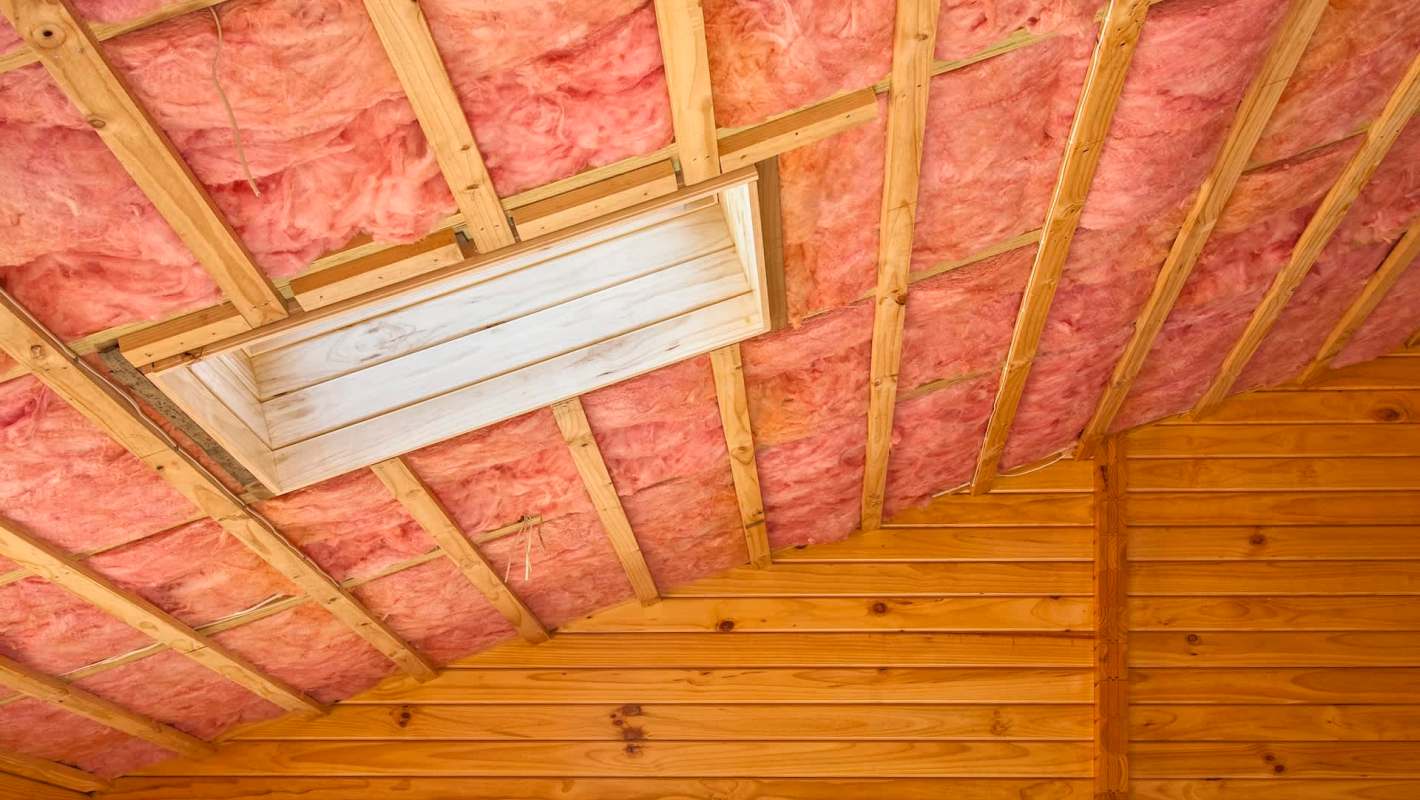
One homeowner shared their excitement after about a month of work culminated in a finished project when insulation day arrived.
Preparation for the install included teardown, cleanup, electrical tasks, and sealing leaks. Posting in a cheerful mood, they said an insulation contractor was onsite to raise the attic from R-11 to R-49 and added: "Sounds dorky but I'm excited."
Here's what to know
The update came from a Reddit thread in the r/HomeMaintenance Subreddit, where the homeowner outlined an attic project that they largely finished before the insulation crew showed up. In the forum, they described spending weeks on the space ahead of the R-value upgrade.
Before any new material went in, the homeowner said the attic had already been through "demolition, cleaning, electrical, and air sealing."
They also expressed their views on local code updates, writing: "I was told new code is r-60 but that's a money grab and not necessary with the diminishing returns of insulation effectiveness."
When an attic holds temperature more effectively, the heating and cooling system may not have to work as hard. That can improve comfort and potentially lower energy bills, though the thread did not include a specific dollar estimate.
TCD Picks » Quince Spotlight
💡These best-sellers from Quince deliver affordable, sustainable luxury for all




More background
Replies supported the idea that more attic insulation can improve day-to-day comfort. One commenter said it "made an amazing difference in comfort and how the house holds temperature," adding that "Our HVAC definitely doesn't run as much as it did!"
A second commenter described the result after their own insulation upgrade, applying "a 3-in pass of open cell spray foam for air sealing," and bringing the attic to "about r50" with Rockwool. They said the AC "only runs about 35 minutes every hour during the warmest days of the summer." They said the upgrade was noticeable, and compared it to the old situation: "During the summer our air conditioner would kick on about 10:30 a.m. Beginning at about noon it would run straight through until midnight without ever turning off--it could keep the house at a constant temperature but it would never lower the temperature during the day."
Air conditioning is often one of the biggest drivers of a summer electricity bill. Less nonstop operation can mean lower power use while also helping indoor temperatures stay more stable.
Commenters also pointed to noise reduction as another benefit. One person wrote, "It's also so much quieter!"
What can be done?
For this homeowner, the order of operations was to finish the cleanup and air-sealing work in the attic and then bring in a contractor to take the insulation from R-11 to R-49.
Comments in the thread also suggested that the right insulation level depends on the house and location. One person wrote that "Depending on climate, R60 may be just the ticket for some homes," while describing a separate customer who pushed all the way to R80 in a 1956 house with "2x4 walls" and "R9 paper faced batting."
The comments also laid out the steps needed for homeowners who also want to upgrade their attic insulation: Get the attic ready, deal with wiring and air leaks, and then choose an insulation level based on the home and climate. In the examples commenters gave, the gains showed up mainly as steadier indoor temperatures, less HVAC runtime, and possible savings on utility bills.
One commenter said the result was worth the effort: "Insulation is absolutely worth the investment!"
Where can I learn more?
For more on attic sealing, insulation quotes, and the incentives that can offset upgrade costs, these stories cover a few other stories.
3• A hesitant homeowner found the attic upgrade priceless after strong reactions to air sealing.
• In New Jersey, a homeowner got an outrageously expensive quote for insulation and pushed back.
• Across the US, homeowners have already claimed over $3 billion for insulation upgrades.

Get TCD's free newsletters for easy tips, smart advice, and a chance to earn $5,000 toward home upgrades. To see more stories like this one, change your Google preferences here.






