


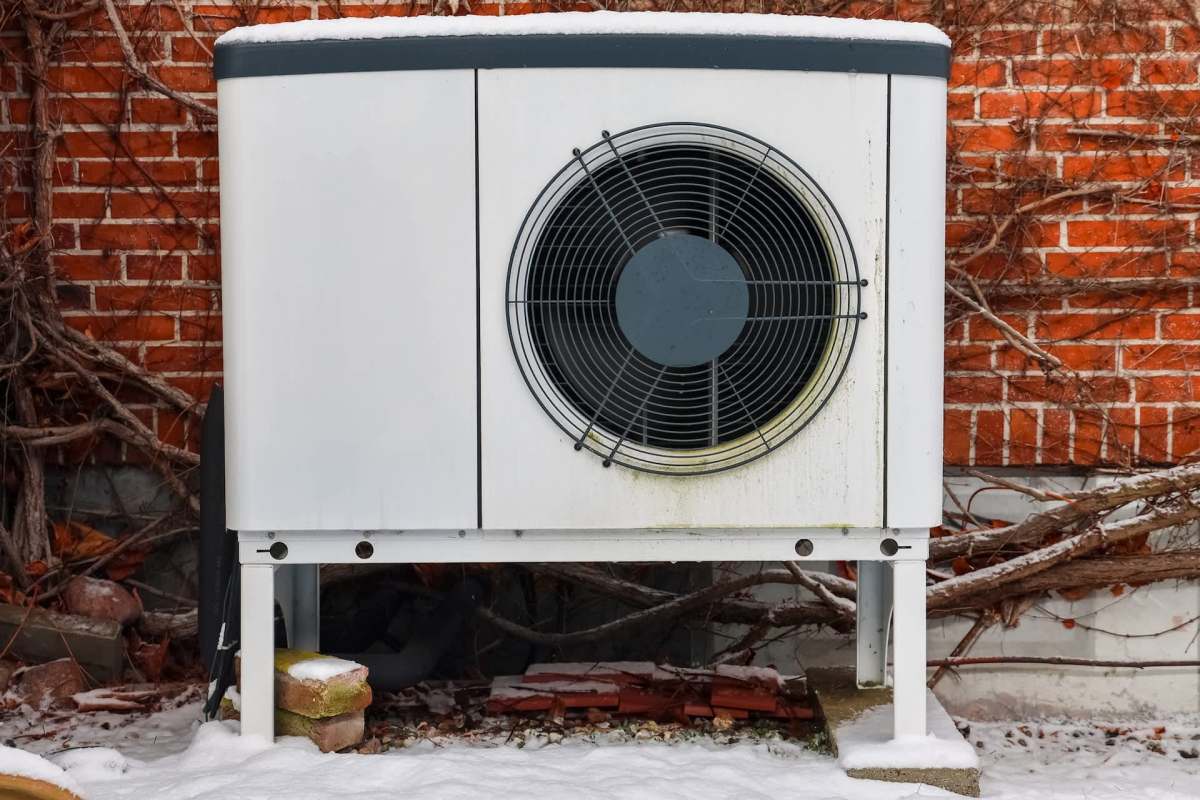
A homeowner in northern Scotland feared switching to a 12-kilowatt heat pump could turn winter heating into a £500-a-month expense (about $660 at current exchange rates).
But after breaking down the numbers for a 2,690-square-foot home, commenters pointed to a common misunderstanding that assuming the unit's minimum output would run nonstop, rather than tying costs to the home's actual monthly heat demand.
Here's what to know
The Reddit discussion started with a north-Scotland homeowner describing a house that goes through about 79 gallons of oil in a cold month. At roughly £240 ($317), they estimated that fuel use equals about 2,400 kilowatt-hours of heat once boiler efficiency is factored in.
What worried them was the heat pump's lower end. They figured a 12-kW Vaillant that only modulates down to about 5.8 kW would still use around 2 kW of electricity at a seasonal coefficient of performance of 3, leading them to ask: "I don't believe everyone with a 10- 12 kW heat pump is spending £500 a month in the colder months? Or are you? What am I missing?"
One commenter responded: "Your first calculation (£160) is the correct one. The flaw in your second calculation is assuming the heat pump will run 24 hours a day at minimum output." For homeowners comparing oil, gas, and heat pumps, upgrading heating and cooling equipment is one of the clearest ways to cut utility bills and guard against rising energy prices, and Palmetto can help explain those HVAC options.
Palmetto's Comfort Plan network can also help homeowners find efficient heating and cooling solutions and connect them with vetted installers.
More background
Shared bill examples in the thread gave more concrete numbers. One person with a 12-kW Aerotherm Plus said they used 863 kWh in January 2026, costing £228 ($301). Another commenter with a 14-kW air-source heat pump in a "large 5 bed house" said they used 807 kWh for heating in January.
Commenters also spent a lot of time on how the systems feel to live with. Several said heat pumps generally work better by holding a home at a steady, lower-temperature heat level, rather than blasting heat into selected rooms for short periods. One commenter said the old "per room/per zone heating we are used to with gas boilers goes out of the window," but added that "The whole house is kept at a constant temperature."
Save $10,000 on solar panels without even sharing your phone number Want to go solar but not sure who to trust? EnergySage has your back with free and transparent quotes from fully vetted providers in your area. To get started, just answer a few questions about your home — no phone number required. Within a day or two, EnergySage will email you the best options for your needs, and their expert advisers can help you compare quotes and pick a winner. Solar panels can save you more than $50k over their 25-year lifespan, and EnergySage can help you save as much as $10k on installation. Which begs the question — isn't that worth an email or two? |

What can be done?
The central advice was to estimate running costs from the amount of heat the house actually needs, not from the idea of a heat pump sitting at minimum output 24/7. Commenters also stressed getting a proper heat-loss survey, saying an oversized system can lead to short cycling, especially in colder months.
People in the thread also said the biggest savings often depend on how the system is run — including weather-compensation controls, cheaper time-of-use electricity, and in some homes batteries or solar. For homeowners not ready to spend up front, the Comfort Plan includes $0-down options that can lower heating and cooling costs by up to 50%, and Palmetto Comfort Plans include 12 years of free maintenance.
Commenters likewise pointed to solar panels and batteries as ways to improve the payback of electric heating. Homeowners can also pair solar panels with electric appliances, including efficient HVACs, to lower utility bills even further. EnergySage makes it easy to compare solar options and find the best solar system and installer for a home and budget, and it can help homeowners save up to $10,000 on solar installations.
As the original poster put it: "My objective is to break even or end up only a little bit worse but more comfortable. I feel like this is realistic from what I'm reading here."
Where can I learn more?
For a closer look at cold-weather heat pump costs, these stories show how the math works in real homes. They follow homeowners in the UK and northern U.S. as they compare winter performance, sizing expectations, and monthly bills.
• In the U.K., one homeowner found the switch gets messy while chasing a 400%-efficient heat pump.
• Across cold-weather homes, this common HVAC myth kept families from savings near $1,000 a year.
• After hearing a familiar freeze warning, one homeowner learned they save hundreds of dollars each year anyway.
• In Vermont, a homeowner called winter with a heat pump "really a no-brainer" after bill savings.

Get TCD's free newsletters for easy tips, smart advice, and a chance to earn $5,000 toward home upgrades. To see more stories like this one, change your Google preferences here.






