


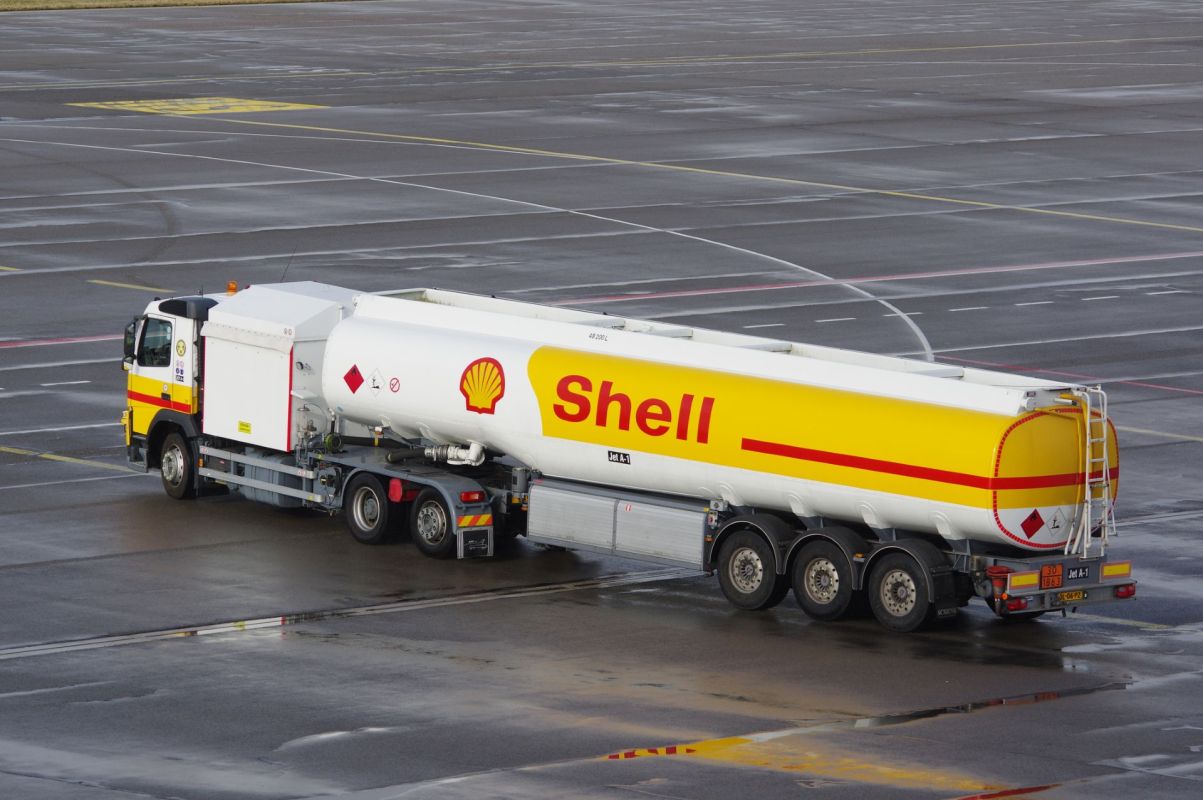
Shell now expects its refining margin to hit $42 per barrel, almost double the previous quarter, as fuel prices remain painfully high.
That improvement could drive a strong quarter for the oil giant, even as drivers and businesses continue to absorb record diesel costs and stubbornly high crude prices.
Here's what to know
According to City AM, Shell said in a trading update that its indicative refining margin is expected to move from $24 in the prior quarter to $42. The figure measures the spread between the cost of crude and the value of fuels such as diesel and gasoline.
Because Shell's products division turns crude into gasoline, diesel, heating oil, and jet fuel, the higher margin suggests a standout quarter for that business. Shell is scheduled to release its full third-quarter results on October 29.
About $2.5 billion in expected cash outflows tied to German emissions certificate payments will hit alongside softer chemicals performance, but stronger refining results should help counter both pressures.
More background
Shell's margin outlook is rising amid continued strain in diesel and oil markets. G7 leaders agreed to release a 100m emergency supply of diesel and oil and said they would work with the International Energy Agency on further stockpile releases "in light of ongoing market pressures," City AM reported.
TCD Picks » Quince Spotlight
💡These best-sellers from Quince deliver affordable, sustainable luxury for all




That pressure has already reached consumers: diesel prices in Britain climbed above 200 pounds a liter for the first time, while oil remained above the three-digit mark, leaving households, drivers, and businesses to shoulder the extra cost.
The fossil fuel industry plays a major role in worsening extreme weather disasters that destroy homes, livelihoods, and local economies, and the western Europe heatwaves that lowered the Rhine offer one example of how climate disruption can ripple through supply chains.
At the same time, pollution from extraction, refining, and burning non-renewable energy sources has been linked to asthma, heart disease, cancer, and premature death, while elevated fuel prices can keep household energy and transportation costs high even as corporate profits grow.
What's being done?
To ease the immediate strain, governments are drawing on emergency reserves. The G7 said it would work with the International Energy Agency to release more from emergency stockpiles, aiming to reduce the risk of a deeper diesel shortage and calm volatile markets.
Shell, meanwhile, said it couldn't fully benefit from the rally because it could not run at maximum output. Summer heatwaves across western Europe lowered water levels on the Rhine, disrupting a key inland shipping route and creating supply-chain bottlenecks, according to City AM.
Those disruptions led Shell to reduce processing at its Rheinland refinery in Germany. The company said refinery utilization is expected to be between 93% and 97%, down from 102% in the second quarter.
Garry White, chief investment commentator at Raymond James, said, "Shell's third-quarter trading update suggests another strong set of results is in prospect when the energy giant releases its full figures on 29 October. The company comfortably beat market expectations in the second quarter, and this latest update indicates a further earnings beat could be on the cards in the September quarter too."
Where can I learn more?
As the articles below show, Shell's refining windfall is part of a bigger story about how oil majors are responding as fuel markets stay tight.
• Across energy markets, non-renewables took center stage again as investors chased booming returns.
• Major energy companies made a shocking 180-degree shift, pulling back from earlier climate promises.
• Bloomberg's industry analysis warned fossil producers are on borrowed time in energy markets.

Get TCD's free newsletters for easy tips, smart advice, and a chance to earn $5,000 toward home upgrades. To see more stories like this one, change your Google preferences here.






