


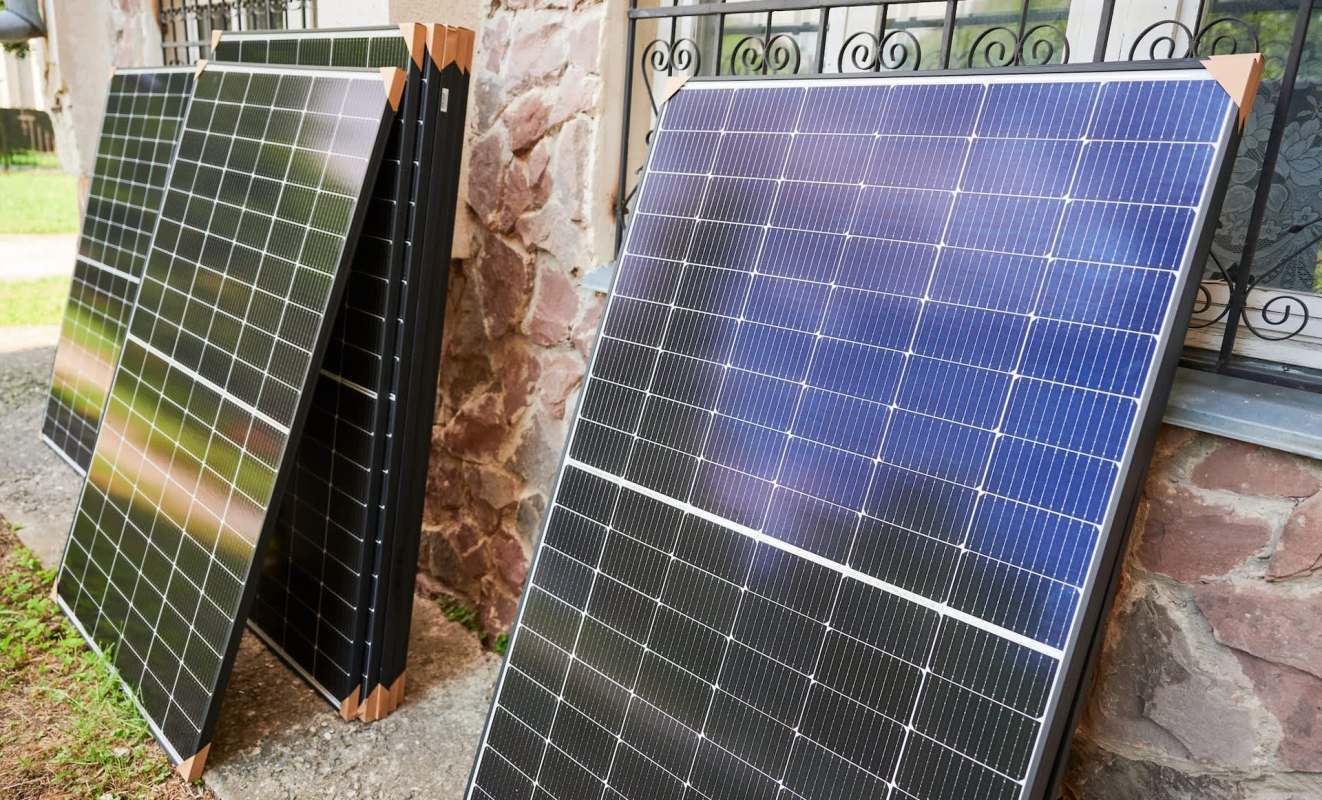
A U.K. homeowner hoping to lock in lower utility bills before retirement turned to Reddit with a familiar question: Is it smarter to install solar panels, battery storage, and a heat pump in one project, or add those upgrades over time as an aging boiler and older petrol cars near replacement?
Here's what to know
Because the boiler is about 10 years old and still working, when to replace it became a major part of the discussion based around the homeowner's Reddit post. The homeowner said the house has an east/west-facing roof, uses 3,549 kilowatt-hours of electricity and 8,364 kWh of gas per year, and they expect to remain in the home for at least another 15 years.
Several replies focused on timing. Commenters said replacing a boiler that still works with a heat pump may not offer the best value, with one arguing that when replacement time does come, "it's the difference you should be looking at, not the whole £7k," since a new boiler would cost money anyway.
Another theme was that battery storage becomes far more attractive once more of the home's energy demand runs on electricity and can be shifted onto off-peak rates. One commenter wrote, "At this rate even a poorly performing heatpump is 4x cheaper than gas and the payback can be as soon as 4-5 years," though that estimate depended on access to a 7 pence overnight tariff.
If you're weighing similar decisions, tools like EnergySage can help you get free solar installation estimates and compare quotes before signing a contract.
More background
Several commenters treated the issue mainly as a cash-flow decision. In that framing, a functioning boiler may still be worth keeping, but grants and tariff savings also matter if the numbers favor switching sooner.
The thread also included firsthand examples from people who said battery-focused setups had already lowered their bills. One commenter estimated a payback of roughly eight to 10 years after installing solar with a 16-kWh battery and said electricity costs fell from about £150 (about $200) per month to £40 (over $50) per month. Another said charging battery storage overnight cut a monthly bill from roughly £100 (around $132) to £25 (around $33), plus around £25 per month from axle VPP.
Commenters praised the east/west orientation because it can spread electricity generation across more hours of the day.
Save $10,000 on solar panels without even sharing your phone number Want to go solar but not sure who to trust? EnergySage has your back with free and transparent quotes from fully vetted providers that can help you save as much as $10k on installation. To get started, just answer a few questions about your home — no phone number required. Within a day or two, EnergySage will email you the best local options for your needs, and their expert advisers can help you compare quotes and pick a winner. |

The poster pointed to an Energy Saving Trust article and said they took it to mean that, in some cases, a heat pump-and-battery pairing can beat a solar-and-battery setup on cost-benefit timing.
What can be done?
The most common recommendation was to begin with solar and battery storage while making sure the battery is either large enough now — or expandable enough later — to support a future air-source heat pump. The homeowner appeared to be leaning that way, along with waiting to replace a car with an EV until that replacement becomes necessary.
For people comparing options, EnergySage's solar map shows the average cost of a home solar panel system by state, along with solar incentives for each state. Together, those resources can help homeowners get the best price for rooftop solar panels and access available incentives.
EnergySage is also worth a look when it comes time to gather bids. With EnergySage's help, the average person can save up to $10,000 on solar purchases and installations. That kind of savings can make a major difference for anyone trying to lower fixed expenses before retirement.
More From EnergySage
💡Go deep on the latest news and trends shaping the residential solar landscape

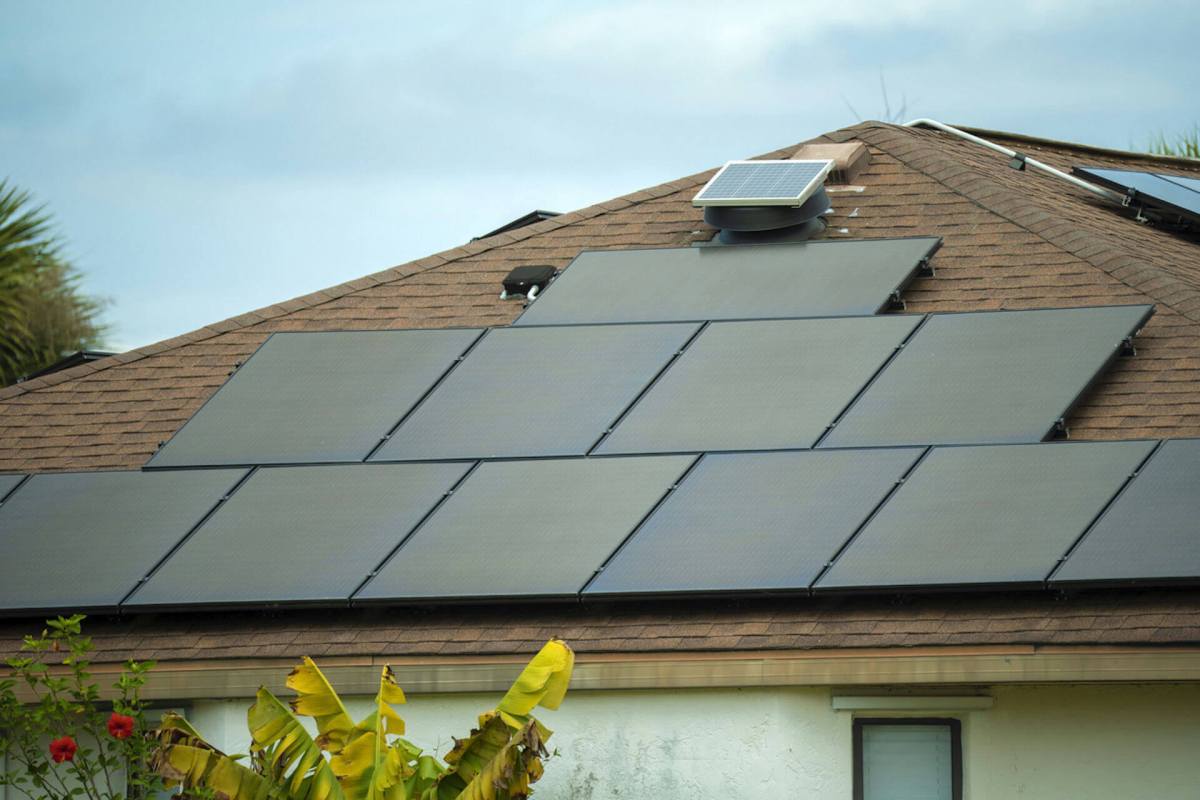

Adding battery storage to a solar setup is one of the best ways to protect your home during outages, save on energy costs, and go off-grid. Homeowners can explore EnergySage for information about home battery storage options, including competitive installation estimates.
The homeowner wrote: "But the replies have made me see that once heating is electrified, the whole house becomes one electricity system that can be optimised with cheap tariffs, battery and solar."
Where can I learn more?
For a closer look at the trade-offs homeowners are weighing, these articles break down how solar, batteries, heat pumps, and upgrade timing can affect long-term energy costs.
• Energy experts say smart retirement investment strategies can slash retirees' monthly power bills.
• Across Europe, heat pumps plus EVs and rooftop solar could blunt energy shocks.
• Analysts say lasting financial relief starts when rooftop solar tames future electricity costs.

Get TCD's free newsletters for easy tips, smart advice, and a chance to earn $5,000 toward home upgrades. To see more stories like this one, change your Google preferences here.






