


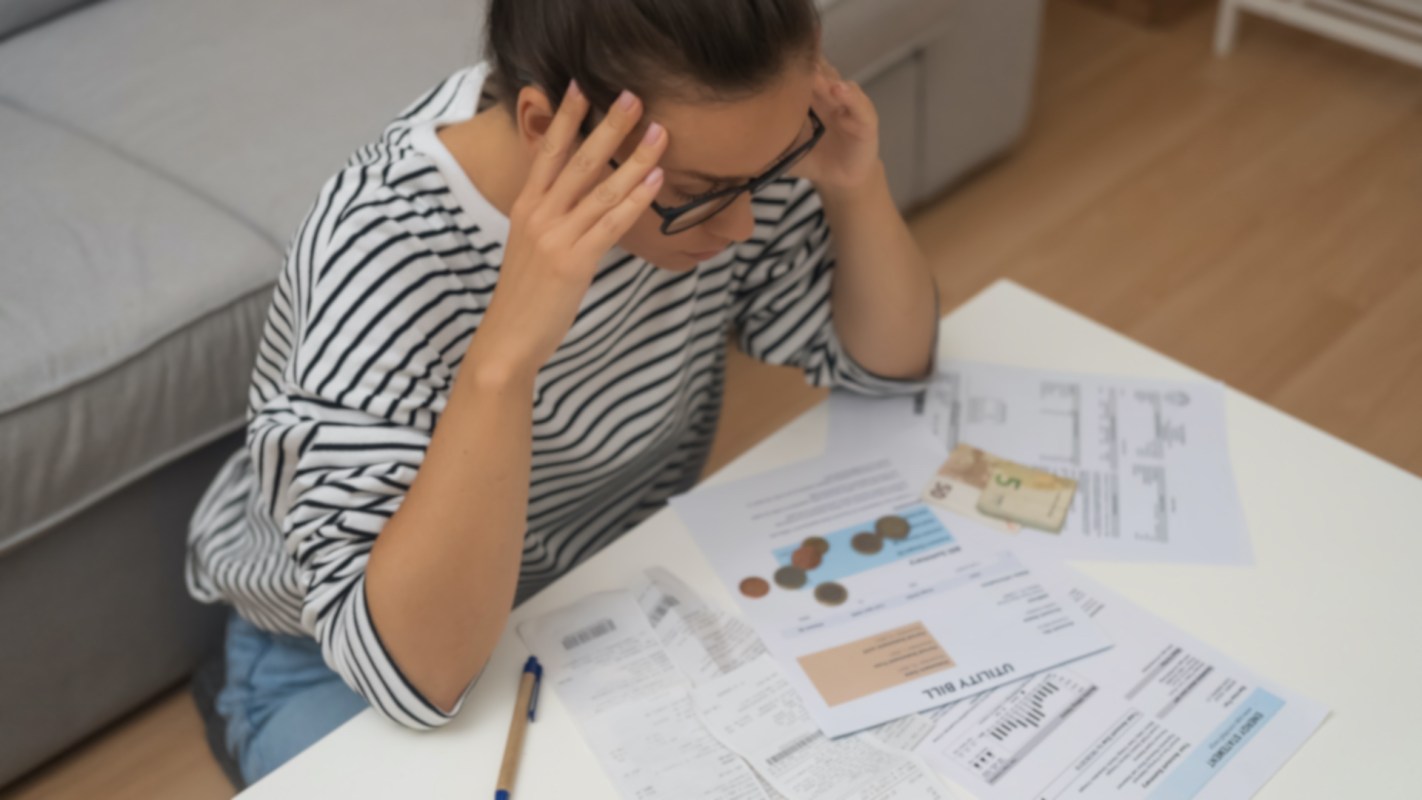
New Jersey residents reported widespread financial strain, with majorities saying basic needs such as groceries, utilities, healthcare, transportation, and housing are hard to afford. In the same poll, 77% rated the state economy as poor or fair.
Housing costs stood out as a significant budget breaker, with 65% of people reporting difficulty covering them.
Here's what to know
Positive views of New Jersey's economy were scarce in the Rutgers-Eagleton poll. It found that 18% called it good and 1% excellent, the New Jersey Globe reported. Far more residents were downbeat, with 42% rating it fair and 35% poor.
Ratings for the national economy were worse still: 16% said it was good and 2% excellent, while 29% rated it fair and 51% poor.
No major household expense category fell below 61% of people reporting they have difficulty paying for it, the Globe noted. That included groceries and utilities at 61%, healthcare at 63%, housing at 65%, and gasoline and transportation at 66%.
Childcare and education costs were also major burdens. Seventy-three percent of those with childcare expenses said they struggle to pay them, and 46% said childcare is very difficult to afford. Among residents with education costs, including student loans, 74% said they struggle to cover them.
TCD Picks » Quince Spotlight
💡These best-sellers from Quince deliver affordable, sustainable luxury for all




More background
The sharpest increase in severe hardship appeared in transportation and education. The share saying gasoline and transportation costs are very difficult to afford climbed from 24% to 34%, while the figure for education expenses rose from 35% to 45%, per the Globe.
Housing and utility hardship also rose, but not by enough to be statistically significant. Respondents who said groceries are very difficult to afford increased from 20% to 26%, and healthcare went from 26% to 31%.
Low-income households reported more pressure, with 83% of residents in households earning $50,000 or less saying they struggle with housing and groceries and 84% reporting difficulty paying utilities, the Globe reported. The poll also found racial disparities: 85% of Hispanic residents said they have difficulty paying for groceries, compared with 75% of Black residents and 53% of white residents. Housing costs were cited as a problem by 82% of Black and Hispanic residents, versus 54% of white residents.
What's being done?
Rutgers' Eagleton Center for Public Interest Polling is measuring affordability in detail, including new data on childcare costs.
Across party lines, New Jersey residents gave the state economy similarly poor ratings, with no statistically significant differences. The survey also identified education expenses and transportation as the areas with the largest increase in severe hardship, while views of the national economy were sharply divided by party.
"What we are seeing is less about how many New Jerseyans are struggling and more about how intense the struggle is," Ashley Koning, director of the center, said, according to the Globe.
Where can I learn more?
These stories look at the same affordability pressures.
• Across the U.S., groceries and gas strain budgets as 95% experience an affordability crisis.
• Nationally, rising costs for basics look set to become the new normal.
• Across the country, dramatic increase in utility costs threatens families during scorching summer temperatures.
• In Chicago, parents struggle to pay winter energy bills as financial insecurity intensifies.
• From farms to checkout lines, major factors driving up grocery prices keep squeezing shoppers.

Get TCD's free newsletters for easy tips, smart advice, and a chance to earn $5,000 toward home upgrades. To see more stories like this one, change your Google preferences here.






