


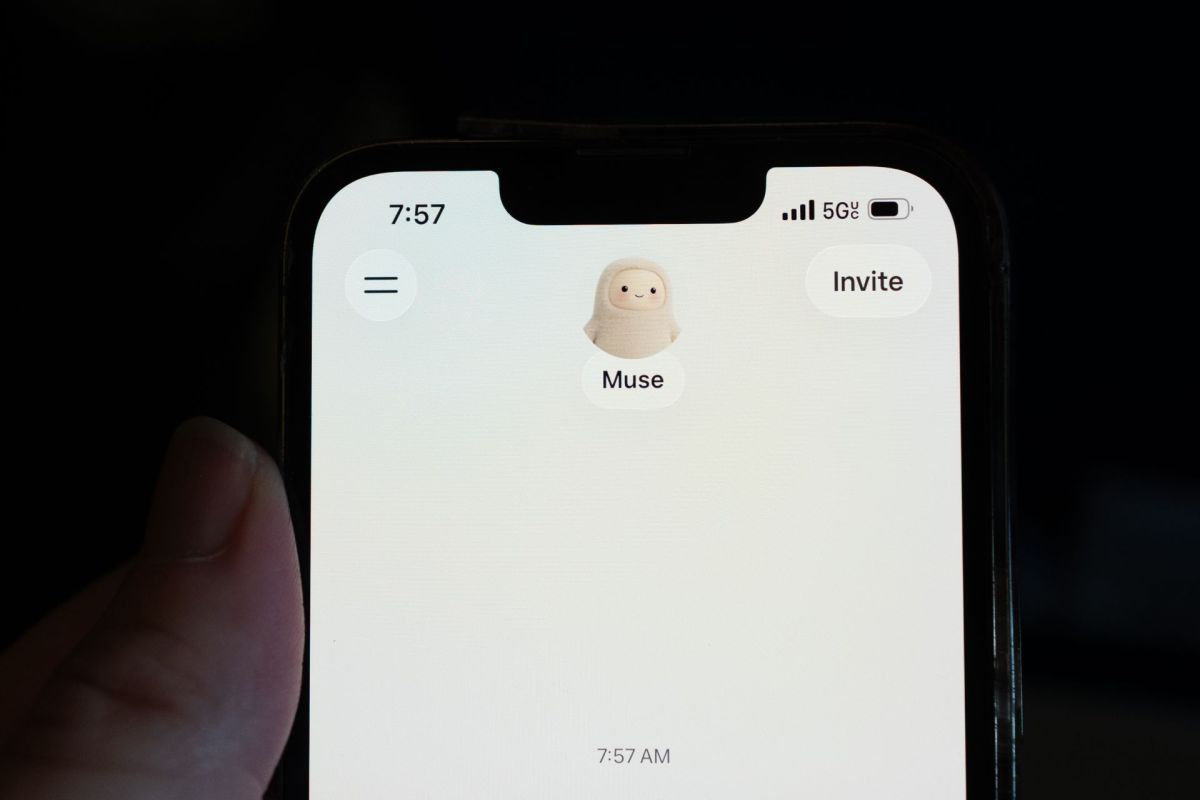
Meta's Muse AI is reportedly collecting information about the family, friends, and anyone that a Muse user follows on social media, and creating an internal profile about them.
The same report says Muse is supposed to evaluate how close those relationships are and suggest ways to strengthen them.
Here's what to know
As explained in an Instagram video by More Perfect Union highlighting Wired's report on Meta's AI Agent Muse, the AI system gathers details about a user's wider circle, including family, friends, partners, colleagues, and even accounts they follow online, such as where those people live, their birthdays, and their likes or dislikes.
That goes beyond the kind of access many people associate with chatbots. The assistant is no longer simply recalling what a user has shared about themselves. Muse is described as organizing information about other people in that user's life.
The key detail is that it gathers information about who the user follows, meaning the more followers you have, the more exposure you have to AI profiling.
For Meta, the long-term goal seems to be building a relationship map around each user, potentially offering features like friend profiling and relationship strengthening.
TCD Picks » Quince Spotlight
💡These best-sellers from Quince deliver affordable, sustainable luxury for all




More background
Part of Muse's reported role is to assess each relationship in a user's network and recommend ways to improve it. Making the assistant like a 'relationship mentor' or a tool meant to coach social connections.
The core issue is that people who may never have interacted with Muse could have their data collected. Under the reported setup, people could enter data about relatives, friends, partners, coworkers, and even followed accounts, along with details like where they live, their birthdays, and their preferences.
AI tools like Meta's Muse are also tied to an AI expansion that can strain the energy grid. AI can help optimize electricity demand and support cleaner energy systems, but large models also require substantial power and water in data centers. As companies roll out more AI assistants, those benefits can come with heavier grid demand, security risks, misuse, and higher household costs if infrastructure growth outpaces cleaner supply.
What can be done?
Wired's findings also show some third-party details an AI assistant may prompt a user to provide. Questions about what a colleague likes, where a friend lives, or when a partner's birthday is would signal the sort of profile such a system might be assembling.
Once entered, information about other people can be stored, analyzed, or turned into recommendations. In Muse's reported case, that could include family, friends, partners, colleagues, and even accounts a user follows online.
When data like where people live, birthdays, preferences, and relationship-strength tracking becomes accessible to everyone and happens to anyone online, it raises questions about consent, transparency, and data limits.
Where can I learn more?
To learn more about how AI is reshaping relationships, social platforms, and everyday decisions, start with these stories. They cover AI-generated social advice, family strain tied to chatbots, Meta's fake-profile controversy, public backlash, and mounting infrastructure demands.
• Researchers found AI breakup texts can distort handling of social dilemmas and relationship conflicts.
• Families say AI-fueled delusions are pulling loved ones away from real relationships.
• Meta reportedly removed fake social media profiles after critics blasted the experimental feature.

Get TCD's free newsletters for easy tips, smart advice, and a chance to earn $5,000 toward home upgrades. To see more stories like this one, change your Google preferences here.






