


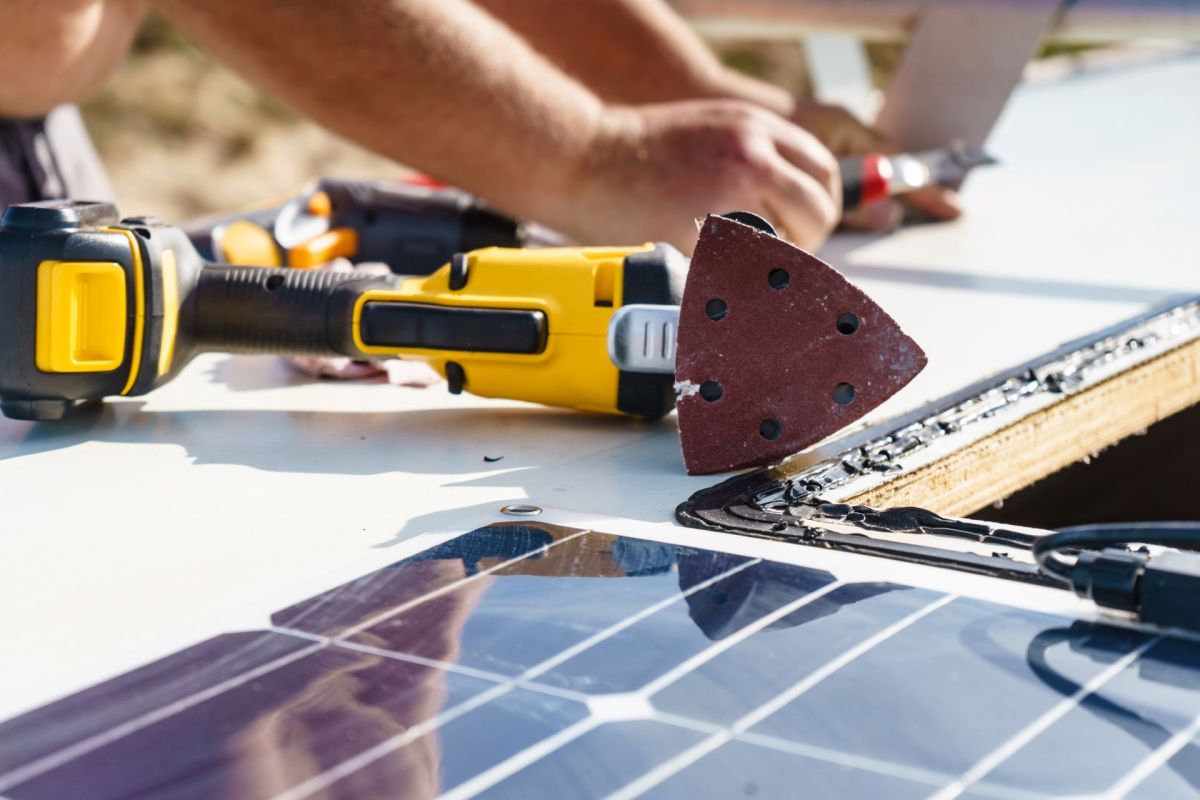
A Reddit newcomer trying to make sense of DIY solar pricing flagged a detail that could easily catch first-time shoppers off guard: In the OP's comparison, one Bright Saver Kit setup was listed at $285.30 for 180 watts, but only with a $30 monthly membership.
The same comparison also highlighted two 800-watt kits from CraftStrom Solar Kit and PluggedSolar Kit at about $1,500 each, alongside prices with different terms.
Here's what to know
After comparing DIY solar options, the Reddit user sorted the market into two buckets: vendor kits and systems assembled from separate components. They also asked the community, "I wonder if I am missing key aspects of this marketplace?"
They treated kits as the simpler path, covering the main hardware and app while leaving out mounting gear and batteries. In their shorthand, "DIY = setup and plug in."
The list put two products at the same headline price: both the CraftStrom Solar Kit and the PluggedSolar Kit were shown at $1,500 for 800W, while the Bright Saver Kit's non-member price was $499 for 180W. Going solar is one of the best ways to save money on home energy, and homeowners considering a larger permanent system can try EnergySage to get free solar installation estimates and compare quotes.
More background
The other category in the Reddit post was a build-it-yourself route using individual parts instead of a bundled package. The OP listed BigBlue, Apsystems, EcoFlow, and Victron in that category, and said that side of the market covers a much wider range of wattage setups.
Unlike the kit examples, the components bucket included batteries. That approach may offer more flexibility, but it also leaves the buyer responsible for integrating the system.
Because the examples weren't uniform—180W from the Bright Saver Kit on one end and 800W kits from the CraftStrom Solar Kit and PluggedSolar Kit on the other—direct price comparisons can get messy. One listing may omit batteries, another may skip mounting hardware, and another may introduce a monthly membership.
Save $10,000 on solar panels without even sharing your phone number Want to go solar but not sure who to trust? EnergySage has your back with free and transparent quotes from fully vetted providers that can help you save as much as $10k on installation. To get started, just answer a few questions about your home — no phone number required. Within a day or two, EnergySage will email you the best local options for your needs, and their expert advisers can help you compare quotes and pick a winner. |

Wattage, equipment lists, and financing or subscription terms all influence the true cost of getting a system up and running.
What can be done?
By breaking out panels, inverters, AC cables, apps, batteries, and mounting systems, the OP underscored that a quoted price such as $1,500 for 800W or $285.30 for 180W may not describe the same kind of package.
One user asked, "Really depends on what you want it for. Like, do you want to power a shed, backup power, mobile power or just to learn how to make a power station? A camping setup could be a 12v battery 30amp (360 watts) with a 500 watt inverter with a 100 watts panel; what use."
For homeowners considering something larger than an 800W starter kit, EnergySage can be especially useful. With EnergySage's help, the average person can save up to $10,000 on solar purchases and installations. EnergySage's solar map also shows the average cost of a home solar panel system by state, along with details on solar panel incentives for each state; together, these resources can help homeowners get the best price for rooftop solar panels and access available incentives.
More From EnergySage
💡Go deep on the latest news and trends shaping the residential solar landscape

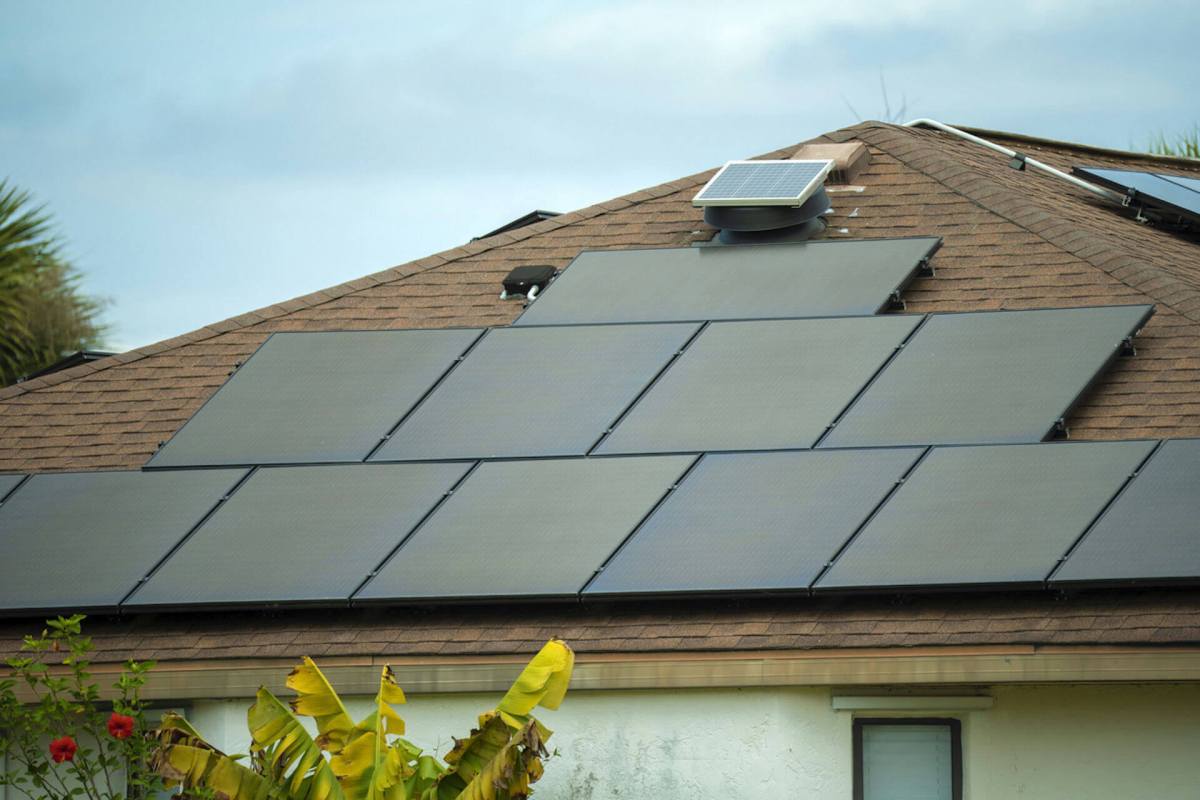


Battery storage was another dividing line in the comparison, since it appeared with the component options, not the kits. Adding battery storage to a solar setup is one of the best ways to protect your home during outages, save money on energy, and go off-grid.
Anyone exploring a battery-backed path like the BigBlue, EcoFlow, or Victron component route can also check EnergySage for information about home battery storage options, including competitive installation estimates.
Where can I learn more?
For a closer look at how solar pricing can get complicated, the articles below break down installation costs, surprise bills, falling panel prices, homeowner savings, and how experts help people compare quotes.
• At EnergySage, Charlie Hadlow breaks down the mystery of solar costs for homeowners.
• One new homeowner got a first bill of $420 even with rooftop solar already installed.
• Across the US, installers say solar panel prices are at all-time lows.
• EnergySage experts have helped 60,000 homeowners slash solar prices by $9,000.

Get TCD's free newsletters for easy tips, smart advice, and a chance to earn $5,000 toward home upgrades. To see more stories like this one, change your Google preferences here.






