


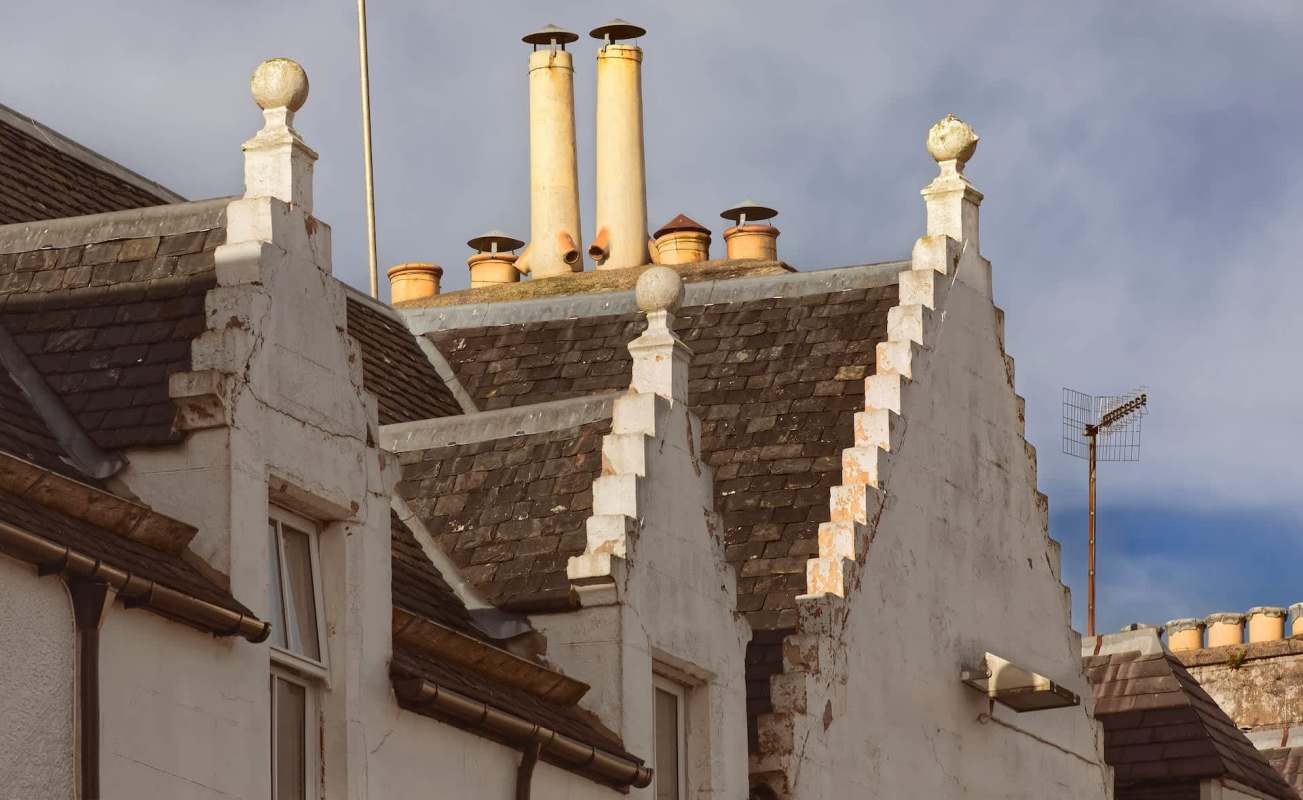
One Scottish homeowner who agreed to a £3,750 roof-coating job ended up facing more than £11,000 in costs.
Trading Standards Scotland said fraudsters are exploiting anxiety over energy bills, a concern for nearly half of Scots, by posing as energy companies, councils, or state-backed programs and offering cheap repairs, free inspections, or supposed assistance.
Here's what to know
According to STV News, the watchdog said Scots reported losing £276,731 to energy scams between April 2025 and April 2026, more than £5,000 a week. It said the real total is probably larger because many cases go unreported.
The agency warned that fraudsters may present themselves as representatives of energy companies, councils, or government-backed schemes and sell roof work, insulation, or anti-mold treatments to households trying to reduce costs or improve energy efficiency. In many cases, that work is either unnecessary or never properly completed.
Polling cited by the watchdog also suggests why these offers may land: 48% of Scots say they're worried about paying household energy bills, and about one-third say they've been approached with low-cost or free energy-saving pitches.
According to Councillor Maureen Chalmers, who chairs Trading Standards Scotland's governance board, scammers know "there are people looking for ways to cut costs and make their homes more efficient" and then pair bogus free inspections or grants with pressure tactics to make the work feel urgent.
TCD Picks » Quince Spotlight
💡These best-sellers from Quince deliver affordable, sustainable luxury for all




More background
One Inverclyde case cited by STV News involved a homeowner who paid £3,750 for roof-coating work and then ended up with more than £11,000 in total costs after the job damaged dozens of roof tiles and let water reach the loft and bedroom.
The damage forced the homeowner to spend another £7,900 to replace the entire roof, and left the insulation drenched and moldy, with additional repairs still needed.
In another example from Fife, a couple paid nearly £4,000 after a cold caller claiming to be acting for the Scottish Government warned that moisture building up in their loft could rot the roof.
When their son checked the job, he found the workers had created vents by cutting openings in the roof and removing tiles, but hadn't installed new insulation or applied any anti-mold treatment.
What can be done?
Trading Standards Scotland is urging residents to avoid dealing with cold callers and to refuse on-the-spot decisions about work.
Chalmers said residents shouldn't rush into agreeing to work after being warned of a serious problem. Instead, they should look into the claim and seek a second opinion before signing anything or handing over money. She also said people should verify through official channels before trusting anyone who claims to be from a council or other public body.
Police Scotland echoed that warning, with STV News reporting that fraudsters may pose as a bank, utility company, the police, or a government body and may contact people by phone, email, or text to ask for money transfers or personal details.
Detective Chief Inspector Alasdair Penny said people should remember that a caller, emailer, or texter claiming to be a trusted contact might not be who they say they are. If someone thinks they may have been scammed, they should call their bank right away and report it to the police.
As Penny put it, "Remember, you have the right to stop and think before parting with your money or information. It could keep you safe."
Where can I learn more?
Home-repair and energy-upgrade scams often follow the same pattern: high-pressure pitches, inflated prices, and expensive fallout for homeowners. These stories look at repair fraud after disasters and deceptive solar sales that left people feeling cheated.
• After disasters, homeowners seeking repairs have encountered absolute crooks targeting rebuilds and draining recovery funds.
• In New Jersey, a homeowner received an outrageously expensive quote for insulation that looked predatory.
• Across the industry, insiders say fraud can cost tens of thousands on solar.
• After a solar deal, one homeowner reported feeling scammed.

Get TCD's free newsletters for easy tips, smart advice, and a chance to earn $5,000 toward home upgrades. To see more stories like this one, change your Google preferences here.






